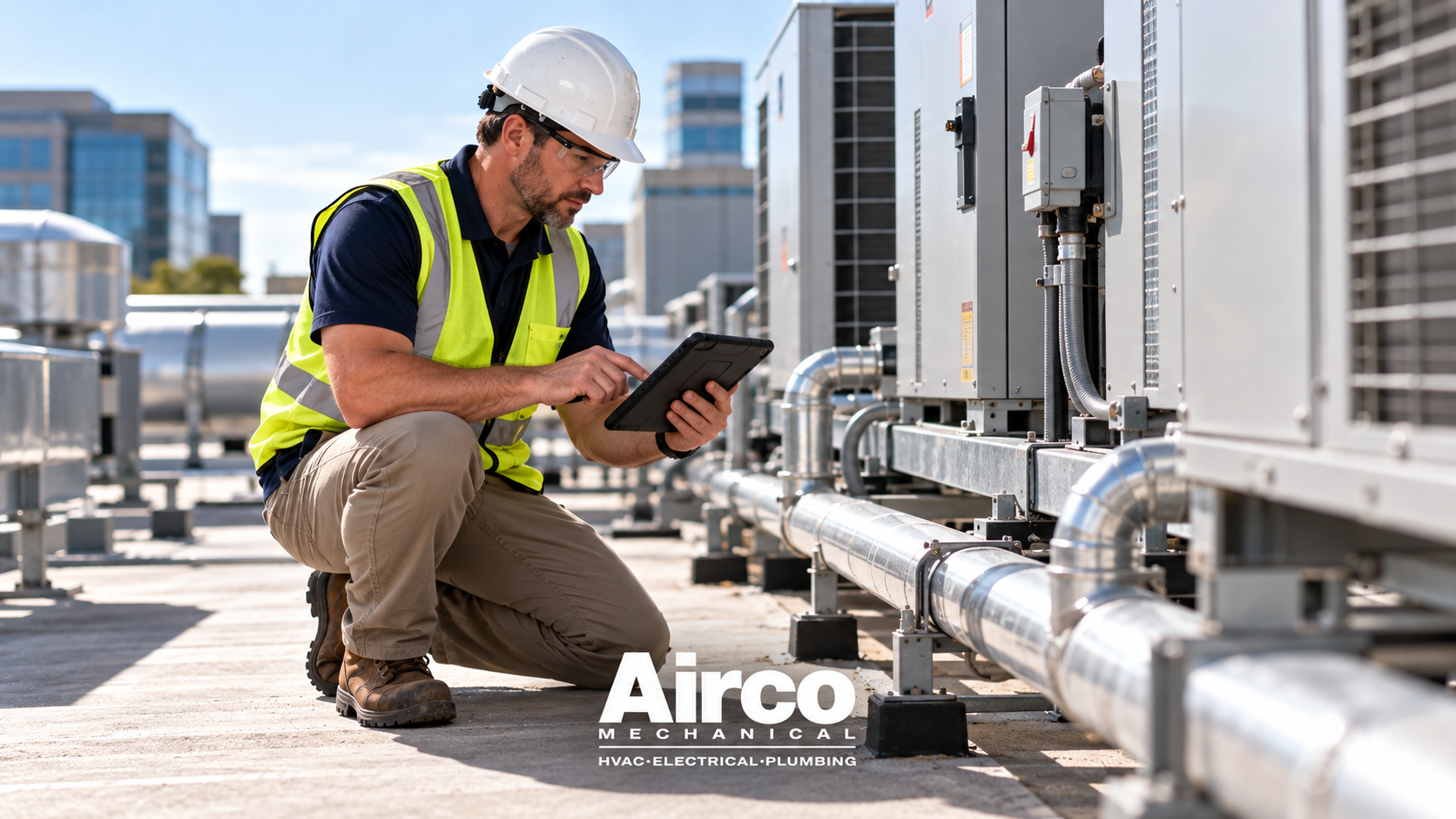
Preparing Your HVAC System for Summer is essential for maintaining efficient cooling, reducing energy costs, and preventing unexpected breakdowns during peak heat. A properly prepared HVAC system improves airflow, maintains consistent indoor comfort, and reduces strain on critical components. Investing in reliable equipment like Most dependable HVAC units heat pump – 7 best picks and performing seasonal maintenance before temperatures rise can significantly improve system performance and extend equipment lifespan.
What Does Preparing Your HVAC System for Summer Mean? (Entity Level)
Preparing your HVAC system for summer involves inspecting, cleaning, testing, and optimizing heating and cooling equipment before high outdoor temperatures place increased demand on the system. This process ensures that air conditioners, heat pumps, thermostats, ductwork, and airflow systems operate efficiently throughout the cooling season.
Understanding Preparing Your HVAC System for Summer begins with recognizing that HVAC systems work harder during summer, making preventive preparation critical for reliability and efficiency.
Key Attributes That Affect Summer HVAC Performance (Attribute Level)
Several attributes determine how effectively an HVAC system performs during summer:
- Airflow quality
- Refrigerant levels
- Thermostat calibration
- Filter cleanliness
- Coil condition
- Duct efficiency
- Outdoor unit airflow clearance
Weakness in any of these attributes can reduce cooling performance and increase energy consumption.
How HVAC Systems Work During Summer (Process Level)
- Thermostat detects rising indoor temperature
- Compressor activates refrigerant cycle
- Heat is absorbed from indoor air
- Conditioned cool air is distributed through ducts
- Heat is released outdoors through the condenser
Summer preparation focuses on optimizing each stage of this cooling process.
Preparing Your HVAC System for Summer: Complete Checklist
1. Replace or Clean Air Filters
Dirty filters restrict airflow and force HVAC systems to work harder.
Benefits
- Improved airflow
- Lower energy consumption
- Better indoor air quality
- Reduced system strain
This is one of the simplest yet most effective Preparing Your HVAC System for Summer steps.
2. Inspect and Clean Outdoor Condenser Units
Outdoor units collect dirt, debris, and vegetation during colder months.
Checklist
- Remove leaves and debris
- Trim vegetation around unit
- Clean condenser fins carefully
- Ensure adequate airflow clearance
Restricted outdoor airflow significantly reduces cooling efficiency.
3. Check Thermostat Settings
Thermostats should be calibrated and programmed for summer efficiency.
Recommended Summer Settings
| Situation | Recommended Temperature |
|---|---|
| Home & Awake | 78°F |
| Sleeping | 82°F |
| Away | 85°F |
Smart thermostat integration during the HVAC system installation process improves temperature management and efficiency.
4. Inspect Refrigerant Levels
Low refrigerant reduces cooling capacity and increases compressor strain.
Warning Signs
- Warm air from vents
- Ice buildup on coils
- Longer cooling cycles
- High energy bills
Professional refrigerant inspection is essential before summer begins.
5. Clean Evaporator and Condenser Coils
Dirty coils reduce heat transfer efficiency.
Why Coil Cleaning Matters
- Faster cooling performance
- Lower energy use
- Reduced compressor stress
- Better humidity control
6. Inspect Ductwork for Leaks
Leaky ducts waste conditioned air before it reaches occupied spaces.
Common Signs of Duct Problems
- Uneven temperatures
- Weak airflow
- Dust buildup
- Increased utility costs
Duct sealing improves overall HVAC efficiency.
7. Test System Airflow
Balanced airflow ensures consistent cooling across all rooms.
Airflow Problems May Include
- Blocked vents
- Dirty ducts
- Blower motor issues
- Poor duct design
Optimized airflow is critical when Preparing Your HVAC System for Summer.
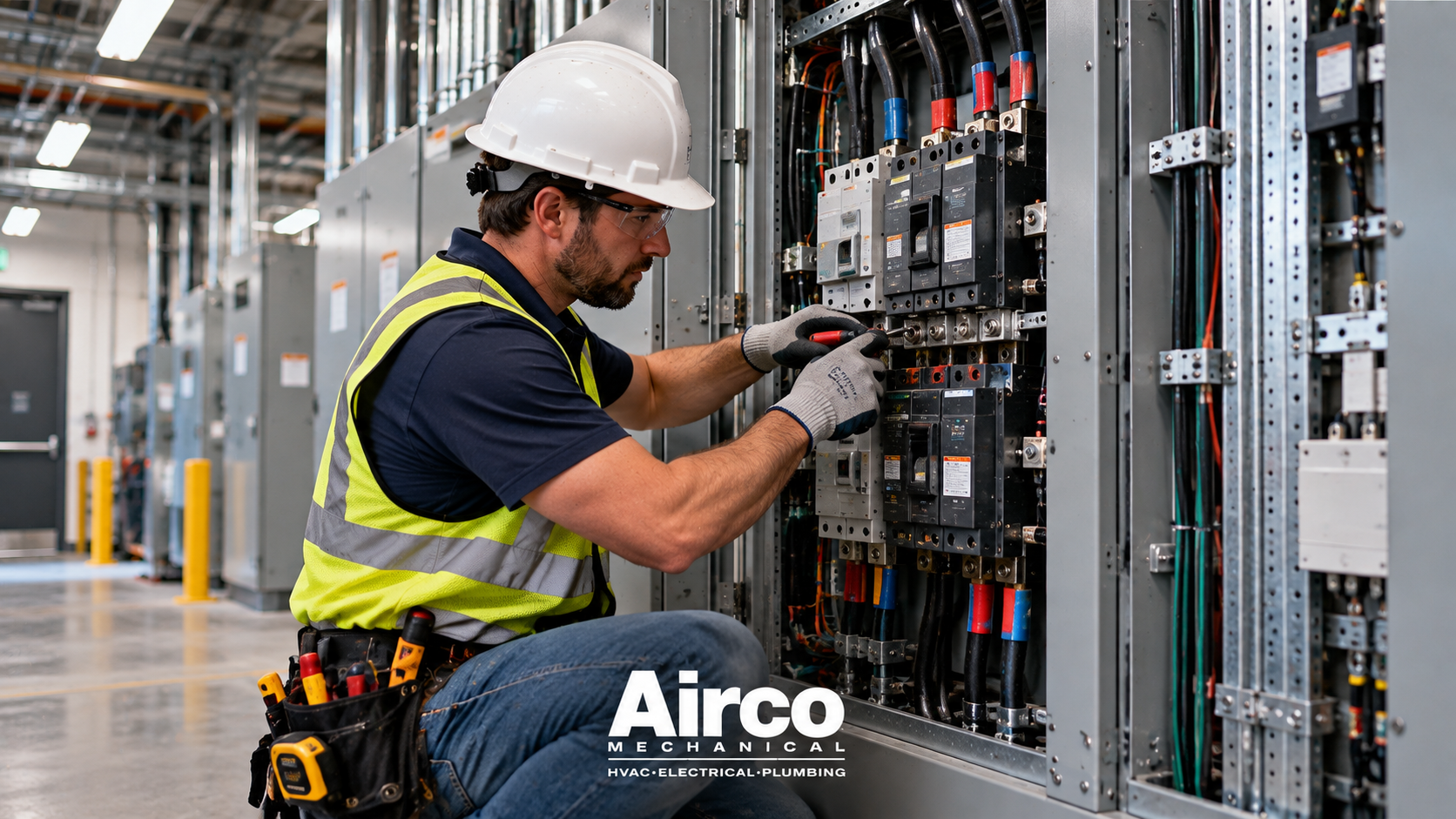
8. Inspect Electrical Connections
Loose or damaged electrical connections increase failure risk.
Inspection Areas
- Capacitors
- Wiring
- Breakers
- Contactors
Electrical issues are a common cause of mid-summer HVAC breakdowns.
9. Clear Drain Lines
Condensation drain lines can clog over time.
Problems Caused by Blocked Drains
- Water leaks
- Mold growth
- System shutdowns
- Humidity issues
Drain line cleaning prevents water-related damage.
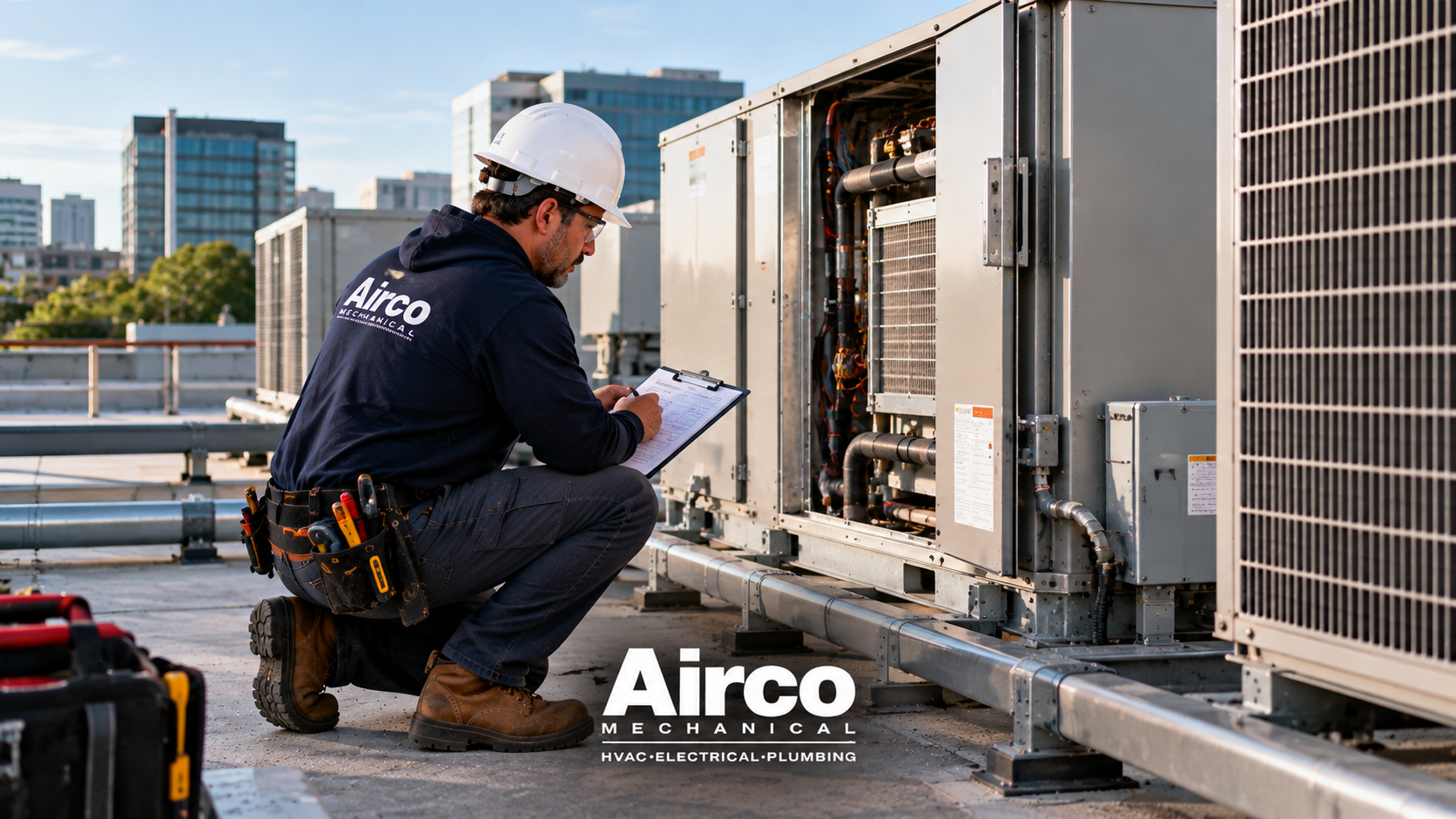
10. Schedule Professional HVAC Maintenance
Professional inspections identify hidden issues before peak summer demand.
Maintenance Includes
- Performance testing
- Refrigerant inspection
- Airflow measurement
- Electrical diagnostics
- Safety checks
Routine servicing is one of the most valuable Preparing Your HVAC System for Summer strategies.
11. Upgrade Outdated HVAC Equipment
Older systems consume more energy and struggle during extreme heat.
Benefits of Upgrading
- Improved energy efficiency
- Lower operating costs
- Better cooling performance
- Smart thermostat compatibility
Modern HVAC systems perform significantly better during summer peaks.
Preparing Your HVAC System for Summer vs Ignoring Maintenance (Comparison Level)
| Feature | Prepared HVAC System | Neglected HVAC System |
|---|---|---|
| Cooling Performance | Strong & consistent | Weak or uneven |
| Energy Efficiency | High | Low |
| Breakdown Risk | Reduced | Increased |
| Indoor Comfort | Stable | Inconsistent |
| Operating Cost | Lower | Higher |
This comparison highlights why seasonal preparation matters.
Why Summer HVAC Preparation Is Important
Ignoring preparation often leads to:
- Emergency breakdowns
- Increased energy bills
- Reduced system lifespan
- Poor indoor comfort
- Expensive repairs
According to the U.S. Department of Energy:
https://www.energy.gov/energysaver/air-conditioning
proper maintenance and preparation significantly improve cooling efficiency and reduce energy consumption.
Preventing Summer HVAC Failures (Prevention Level)
Best Practices
- Replace filters regularly
- Schedule seasonal tune-ups
- Monitor thermostat settings
- Maintain proper airflow
- Address unusual noises immediately
Preventive care minimizes costly summer failures.
How Indoor Air Quality Relates to Summer HVAC Performance
Summer humidity and increased HVAC use affect indoor air quality.
Improvement Strategies
- Use high-quality filters
- Maintain humidity control
- Clean ducts and coils
- Ensure proper ventilation
Good HVAC preparation improves both comfort and air quality.
Conclusion
Preparing Your HVAC System for Summer is one of the most effective ways to improve cooling performance, reduce energy costs, and prevent unexpected breakdowns. By cleaning components, checking airflow, and scheduling professional maintenance, homeowners and businesses can ensure reliable comfort throughout the hottest months of the year.
Call-to-Action
Ready to prepare your HVAC system for summer? Contact Airco Mechanical today for expert inspections, maintenance, and energy-efficient HVAC solutions tailored to your needs.
5 FAQs
1. When should I prepare my HVAC system for summer?
Ideally in early spring before temperatures rise.
2. How often should air filters be replaced?
Every 1–3 months depending on usage and air quality.
3. Why is my AC struggling during summer?
Dirty filters, low refrigerant, or poor airflow are common causes.
4. Is professional HVAC maintenance necessary?
Yes, professional inspections identify hidden issues and improve efficiency.
5. Does HVAC maintenance lower energy bills?
Yes, efficient systems consume less energy and reduce operating costs.