HVAC System Installation Process determines how efficiently your heating and cooling system will perform for years to come. A properly installed system improves energy efficiency, ensures consistent comfort, and reduces long-term maintenance costs. From system selection to final testing, each step plays a critical role in performance. Choosing high-quality equipment—like those featured in Most dependable HVAC units heat pump – 7 best picks—combined with expert installation ensures optimal results and long-term reliability.
What Is the HVAC System Installation Process? (Entity Level)
The HVAC System Installation Process refers to the structured sequence of steps required to install a heating, ventilation, and air conditioning system in a residential or commercial space. This includes system design, equipment selection, ductwork setup, installation, and performance testing.
Understanding the HVAC System Installation Process begins with recognizing that installation quality directly impacts efficiency, system lifespan, and comfort.
Key Attributes of a Successful HVAC Installation (Attribute Level)
Several attributes determine whether an installation will perform efficiently:
- Proper system sizing (load calculation)
- Correct equipment selection
- High-quality duct design
- Accurate refrigerant levels
- Balanced airflow
- Proper electrical connections
Failure in any of these areas can lead to inefficiency or system failure.
How the HVAC System Installation Process Works (Process Level)
The installation process follows a detailed sequence to ensure optimal performance.
HVAC System Installation Process: Step-by-Step Guide
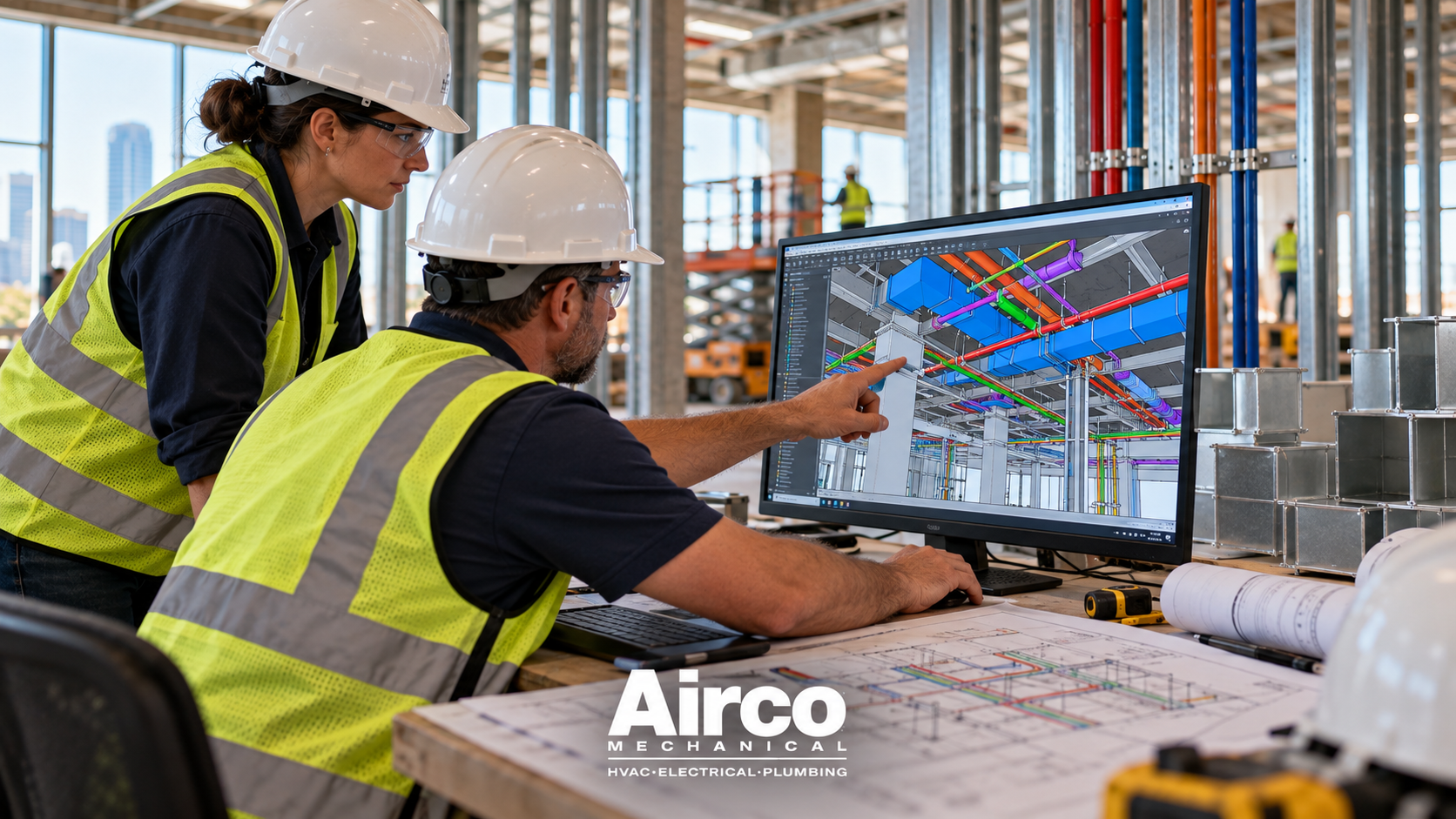
1. Initial Assessment and Load Calculation
Technicians evaluate building size, insulation, and climate to determine system requirements.
2. System Selection
Choosing the right HVAC system type (heat pump, furnace, split system) based on needs and efficiency goals.
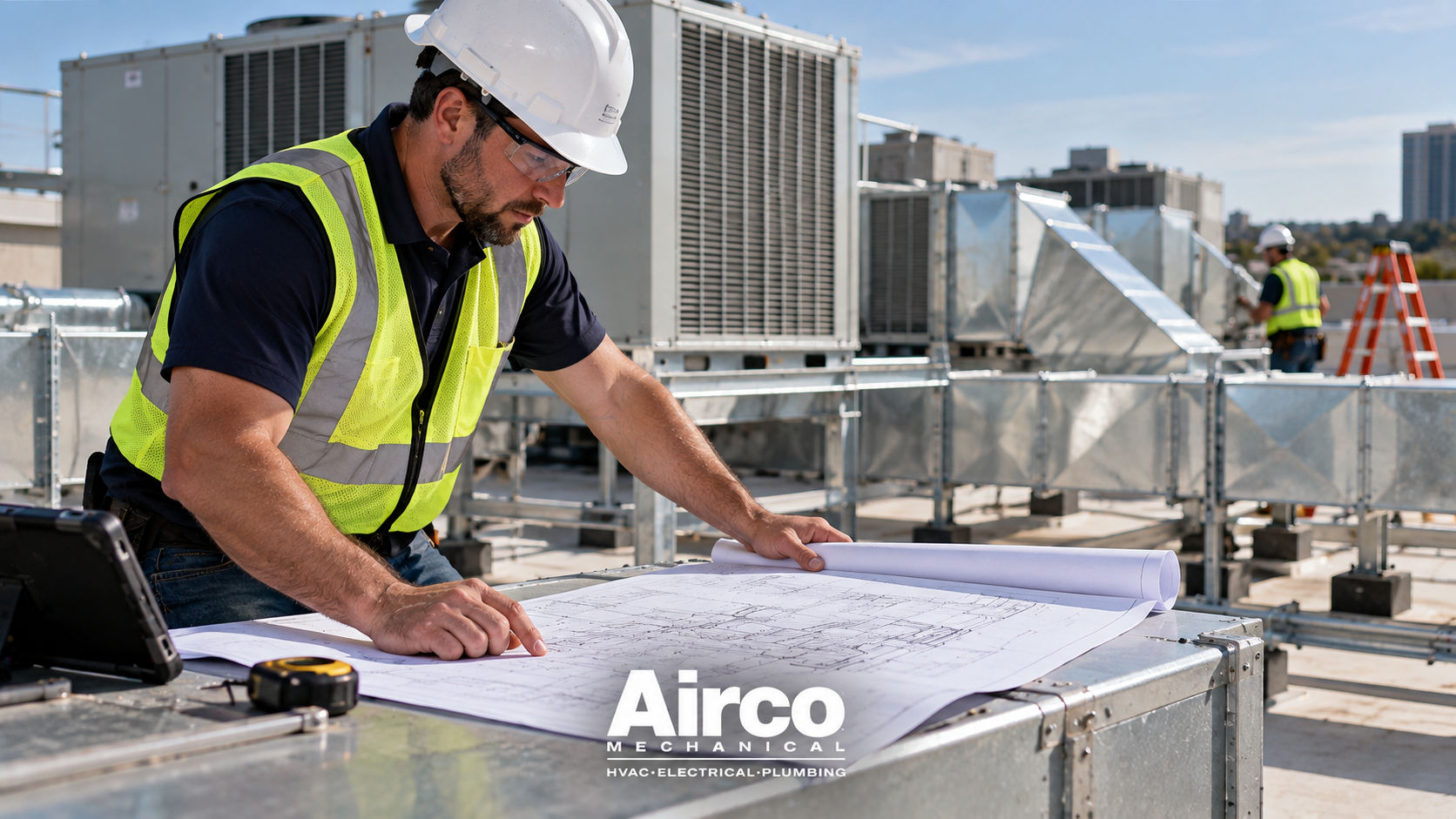
3. Ductwork Inspection or Installation
Existing ducts are inspected or new duct systems are installed for proper airflow.
4. Removal of Old Equipment
Old systems are safely removed and disposed of according to regulations.
5. Installing Indoor Unit
The air handler or furnace is installed and connected to ductwork.
6. Installing Outdoor Unit
The condenser or heat pump unit is positioned and secured outdoors.
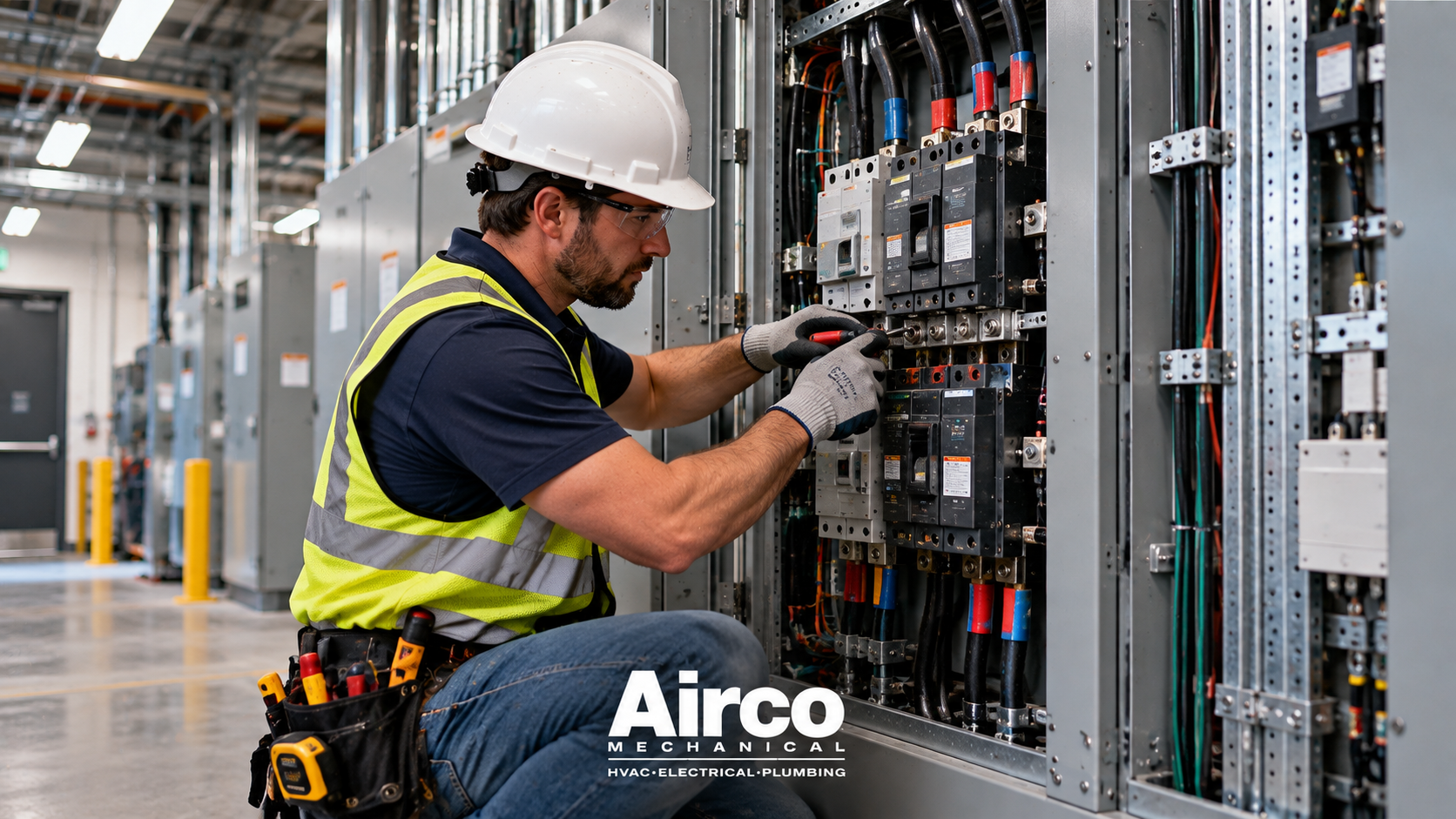
7. Electrical and Refrigerant Connections
Proper wiring and refrigerant lines are installed to ensure system functionality.
8. Thermostat Installation
Smart or programmable thermostats are installed for efficient control.
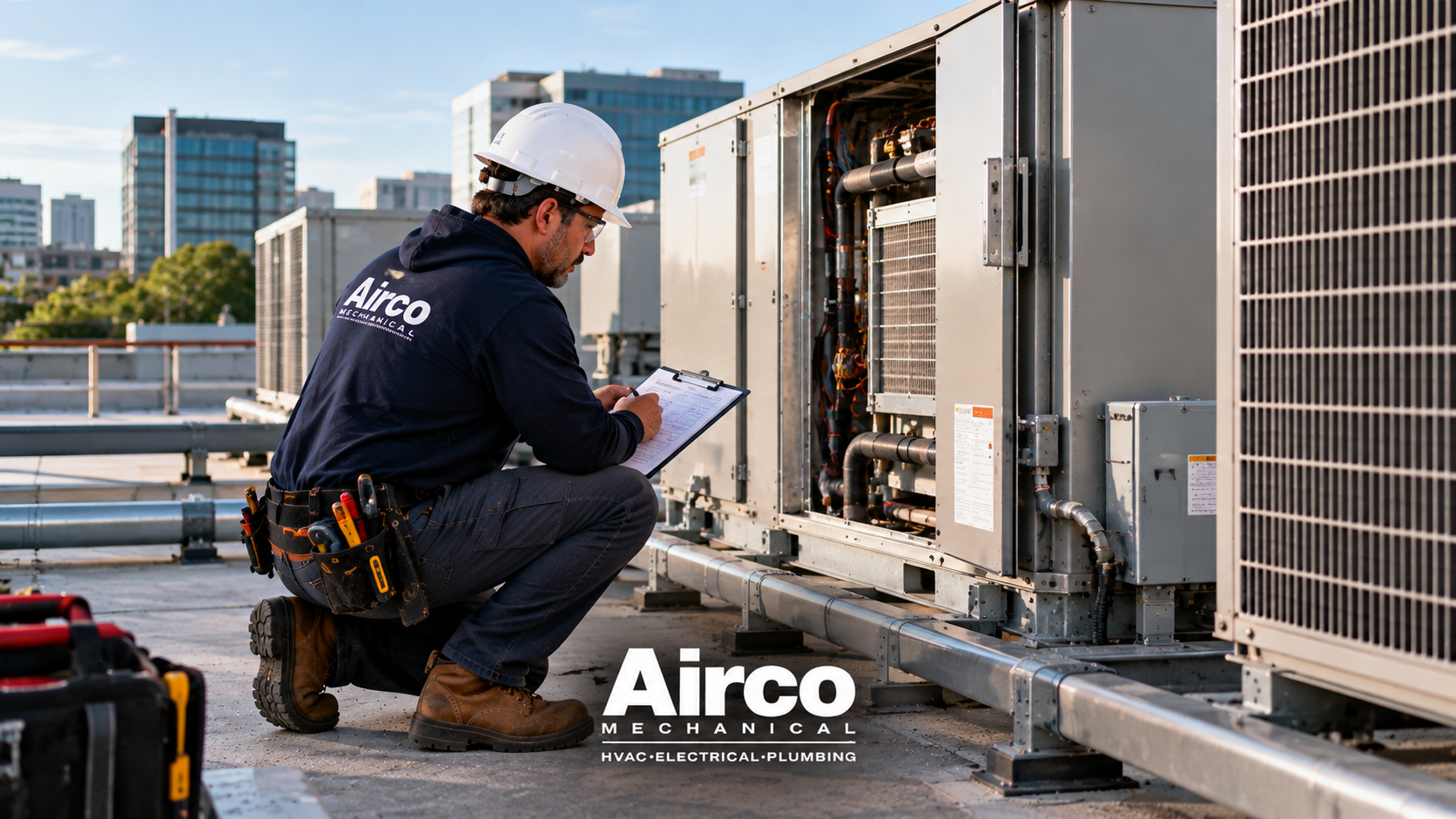
9. System Testing and Calibration
Technicians test airflow, refrigerant levels, and system operation.
10. Final Inspection and Optimization
System performance is verified to ensure efficiency and comfort.
HVAC System Installation Process vs Poor Installation (Comparison Level)
| Feature | Proper Installation | Poor Installation |
|---|---|---|
| Efficiency | High | Low |
| Energy Costs | Lower | Higher |
| Comfort | Consistent | Uneven |
| System Lifespan | Extended | Shortened |
| Maintenance Needs | Minimal | Frequent |
This comparison highlights why the HVAC System Installation Process is critical for long-term performance.
Common Installation Mistakes to Avoid
Improper installation can lead to major issues.
- Incorrect system sizing
- Poor duct design
- Refrigerant mischarging
- Loose electrical connections
- Inadequate airflow balancing
These mistakes often lead to problems like system inefficiency or failure. For example, cooling issues can be better understood here:
👉 https://aircomechanical.com/what-causes-an-air-conditioner-to-stop-cooling/
Cost Factors in HVAC Installation
| Factor | Impact on Cost |
|---|---|
| System Type | High |
| Home Size | High |
| Ductwork Condition | Moderate |
| Labor Complexity | High |
| Efficiency Rating | Moderate |
Understanding these factors helps plan installation budgets effectively.
Benefits of Proper HVAC Installation
A properly installed system provides:
- Improved energy efficiency
- Lower utility bills
- Better indoor air quality
- Consistent temperature control
- Reduced repair frequency
Energy Efficiency and Performance
According to the U.S. Department of Energy:
https://www.energy.gov/energysaver/heating-and-cooling
proper installation significantly improves HVAC system efficiency and reduces energy consumption.
Preventing Installation Issues (Prevention Level)
Best Practices
- Hire certified HVAC professionals
- Choose energy-efficient equipment
- Verify load calculations
- Inspect ductwork quality
- Schedule regular maintenance
Preventive measures ensure the success of the HVAC System Installation Process.
Conclusion
The HVAC System Installation Process is one of the most important factors in determining system efficiency, comfort, and longevity. A well-installed system reduces energy costs, improves performance, and minimizes future repairs.
Call-to-Action
Planning a new HVAC installation? Contact Airco Mechanical today for expert system design, professional installation, and reliable performance tailored to your home or business.
FAQs
1. How long does HVAC installation take?
Typically 1–3 days depending on system complexity.
2. What is the most important step in installation?
Proper system sizing and load calculation.
3. Can poor installation affect efficiency?
Yes, it significantly reduces system performance.
4. Do I need new ductwork for installation?
Not always, but it depends on existing duct condition.
5. Is professional installation necessary?
Yes, it ensures safety, efficiency, and warranty compliance.