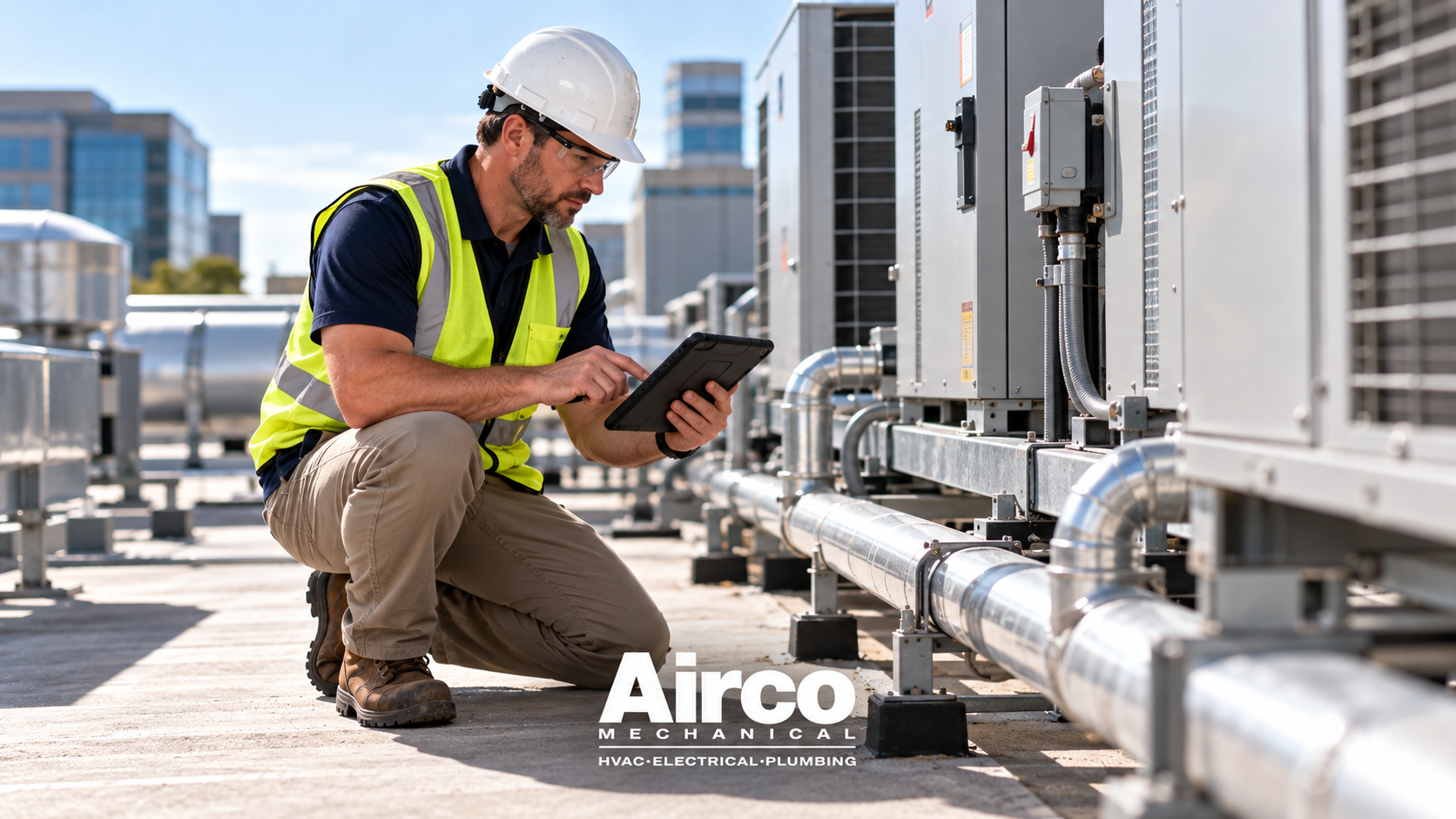
HVAC Troubleshooting Guide for Common Issues helps homeowners and businesses quickly identify, diagnose, and fix the most frequent heating and cooling problems before they turn into costly breakdowns. From airflow restrictions to thermostat failures and refrigerant issues, most HVAC problems follow predictable patterns. Choosing reliable systems like Most dependable HVAC units heat pump – 7 best picks and applying proper troubleshooting steps can significantly improve system efficiency, reduce downtime, and extend equipment lifespan.
What Is HVAC Troubleshooting? (Entity Level)
HVAC troubleshooting is the process of identifying system problems by analyzing symptoms such as poor airflow, inconsistent temperatures, unusual noises, or system failure. It involves inspecting key components like filters, thermostats, electrical connections, refrigerant levels, and ductwork.
Understanding the HVAC Troubleshooting Guide for Common Issues begins with recognizing that most HVAC systems operate through interconnected components—so a failure in one area can affect the entire system.
Key Attributes That Affect HVAC Performance (Attribute Level)
Several attributes determine whether an HVAC system runs efficiently or develops issues:
- Airflow quality and duct condition
- Refrigerant levels and pressure balance
- Thermostat accuracy
- Electrical system stability
- Cleanliness of coils and filters
- System sizing and installation quality
Weakness in any of these areas can trigger the need for troubleshooting.
How HVAC Systems Work (Process Level)
- Thermostat detects temperature changes
- HVAC system activates heating or cooling cycle
- Air is conditioned through coils or heat exchangers
- Blower distributes air throughout the space
- System shuts off when target temperature is reached
Disruptions in this process lead to common HVAC issues that require troubleshooting.
11 HVAC Troubleshooting Guide for Common Issues
1. HVAC System Not Turning On
Cause: Power issues, tripped breaker, faulty thermostat
Fix: Check circuit breakers, thermostat batteries, and power connections
2. Weak Airflow
Cause: Dirty filters, blocked vents, duct leaks
Fix: Replace filters and inspect airflow pathways
3. Inconsistent Temperatures
Cause: Poor insulation, duct imbalance, thermostat issues
Fix: Check duct system and recalibrate thermostat
4. System Blowing Warm Air
Cause: Refrigerant issues or compressor failure
Fix: Inspect refrigerant levels and system components
For detailed insight into cooling failures, refer to:
👉 https://aircomechanical.com/what-causes-an-air-conditioner-to-stop-cooling/
5. Frequent Cycling
Cause: Oversized system or thermostat problems
Fix: Adjust thermostat placement and settings
6. Unusual Noises
Cause: Loose components, worn motors, debris
Fix: Tighten parts or schedule professional inspection
7. High Energy Bills
Cause: Inefficient operation or dirty components
Fix: Clean system and perform maintenance
8. Frozen Evaporator Coils
Cause: Restricted airflow or refrigerant issues
Fix: Replace filters and improve airflow
9. Bad Odors
Cause: Mold growth or electrical issues
Fix: Clean system and inspect wiring
10. Water Leaks Around Unit
Cause: Blocked drain lines or condensation issues
Fix: Clear drain lines and inspect components
11. Poor Indoor Air Quality
Cause: Dirty filters or inadequate ventilation
Fix: Upgrade filtration and improve airflow
HVAC Troubleshooting Guide for Common Issues vs Normal System Performance (Comparison Level)
| Feature | Healthy HVAC System | Faulty HVAC System |
|---|---|---|
| Airflow | Strong & balanced | Weak or restricted |
| Temperature | Consistent | Uneven |
| Energy Use | Efficient | High |
| Noise Level | Quiet | Loud or unusual |
This comparison shows how effective troubleshooting improves system performance.
Why HVAC Problems Occur Frequently
Common causes include:
- Lack of maintenance
- Aging equipment
- Dirty filters and coils
- Refrigerant leaks
- Poor installation
- Electrical issues
Identifying these factors early is key to applying the HVAC Troubleshooting Guide for Common Issues effectively.
Energy Efficiency and System Reliability
Efficient HVAC systems not only improve comfort but also reduce operating costs. According to the U.S. Department of Energy:
https://www.energy.gov/energysaver/heating-and-cooling
regular maintenance and troubleshooting significantly improve energy efficiency and system performance.
Preventing HVAC Issues (Prevention Level)
Best Practices
- Schedule seasonal maintenance
- Replace filters regularly
- Monitor system performance
- Clean coils and components
- Upgrade outdated equipment
Preventive care reduces the need for frequent troubleshooting.
When to Call a Professional
While basic troubleshooting can resolve minor issues, professional assistance is recommended when:
- Problems persist after basic fixes
- Electrical or refrigerant issues are involved
- System fails completely
- Performance continues to decline
Conclusion
HVAC Troubleshooting Guide for Common Issues provides a structured approach to identifying and fixing common system problems. By addressing issues early and maintaining your system properly, you can improve efficiency, reduce costs, and extend the lifespan of your HVAC equipment.
Call-to-Action
If your HVAC system is experiencing problems, don’t wait for a breakdown. Contact Airco Mechanical today for expert troubleshooting, maintenance, and repair services to keep your system running efficiently.
FAQs
1. What is the most common HVAC issue?
Dirty filters are the most frequent cause of reduced performance.
2. How often should HVAC systems be checked?
At least once or twice a year.
3. Can I troubleshoot HVAC problems myself?
Basic issues can be addressed, but complex problems require professionals.
4. Why is my HVAC system making noise?
Loose components or motor issues are common causes.
5. Does troubleshooting improve energy efficiency?
Yes, resolving issues early reduces energy waste.