9 Proven Ways to Fix Noisy or Banging Pipes That Transform & Improve Home Comfort
How to Fix Noisy or Banging Pipes usually comes down to addressing pressure imbalances, loose piping, or sudden valve shutoffs that create shockwaves in your plumbing system. These noises—often called water hammer—can be annoying at first and damaging over time if ignored. A professional home plumbing setup and installation ensures pipes are secured, pressure is regulated, and fixtures operate smoothly to prevent recurring noise problems.
What Causes Pipes to Make Noise?
Pipes can whistle, rattle, or bang when water flow changes abruptly or when components aren’t properly supported. In most homes, noise originates from fast-closing valves, high water pressure, trapped air, or aging pipe materials. Understanding How to Fix Noisy or Banging Pipes starts with identifying which component is creating the vibration or pressure surge.
Key Attributes That Influence Pipe Noise
Several attributes determine whether pipes stay quiet or become noisy:
- Water pressure level
- Pipe material and age
- Fixture valve design
- Pipe anchoring and insulation
- Presence of air chambers or arrestors
Weakness in any of these attributes increases the chance of noise.
How Plumbing Noise Develops
- Water flows rapidly through pipes
- A valve closes suddenly
- Pressure spikes inside the line
- Pipes vibrate or strike framing
- Noise travels through walls and floors
Interrupting this chain is the foundation of How to Fix Noisy or Banging Pipes effectively.
9 Common Causes of Noisy or Banging Pipes
1. Water Hammer
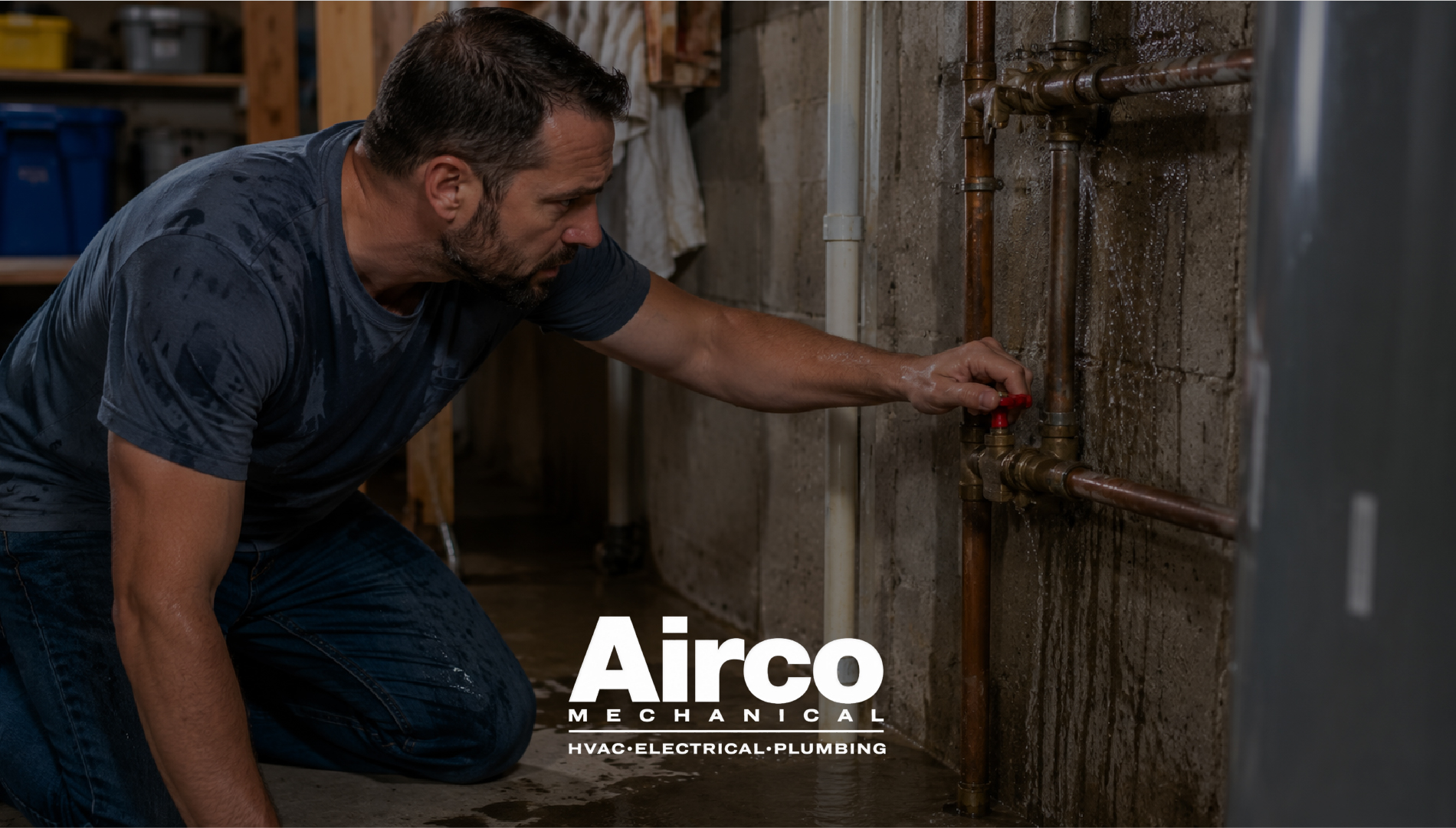
Sudden valve closure sends shockwaves through pipes, causing loud banging.
2. High Water Pressure
Pressure above 60 PSI intensifies vibrations and noise. This often overlaps with issues seen in low water pressure in homes when regulators malfunction.
3. Loose Pipe Supports
Unsecured pipes move when water flows, creating rattling sounds.
4. Worn Washers or Valves
Old fixtures fail to close smoothly, triggering noise.
5. Trapped Air in Pipes
Air pockets disrupt flow and cause knocking or gurgling.
6. Thermal Expansion
Hot water causes pipes to expand and rub against framing.
7. Clogged Aerators
Restricted outlets increase velocity and vibration.
8. Aging Pipe Materials
Older metal pipes amplify sound more than modern materials.
9. Faulty Pressure Regulators
Inconsistent pressure leads to unpredictable pipe movement.
How to Fix Noisy or Banging Pipes
Practical Fixes
- Install water hammer arrestors
- Secure loose pipes with clamps
- Lower household water pressure
- Replace worn valves or cartridges
- Drain and recharge air chambers
- Add pipe insulation where pipes contact framing
Applying the right fix depends on accurate diagnosis—guesswork can lead to repeat issues.
Noisy Pipes vs Healthy Plumbing
| Feature | Noisy Pipes | Properly Functioning Pipes |
| Sound | Banging, rattling | Quiet |
| Pipe Movement | Excessive | Minimal |
| Pressure Control | Inconsistent | Stable |
| Long-Term Risk | High | Low |
This comparison shows why How to Fix Noisy or Banging Pipes isn’t just about comfort—it’s about system protection.
Preventing Future Pipe Noise
Prevention is often easier and cheaper than repairs.
Best Prevention Practices
- Maintain water pressure within safe limits
- Schedule regular plumbing inspections
- Replace aging fixtures proactively
- Secure exposed pipes during renovations
- Use professional installation methods
According to the U.S. Environmental Protection Agency, proper pressure regulation and plumbing maintenance improve system longevity and water efficiency
When to Call a Professional
If noises persist after basic fixes, professional inspection is recommended. Hidden pipes, pressure regulators, or internal valve issues often require specialized tools and expertise.
Conclusion
How to Fix Noisy or Banging Pipes involves identifying pressure surges, securing loose lines, and maintaining proper plumbing components. Addressing these issues early protects your pipes from long-term damage and restores peace and quiet throughout your home.
Tired of hearing your pipes bang and rattle? Contact Airco Mechanical today for expert diagnosis and professional plumbing solutions that eliminate noise and protect your system.
5 FAQs
- Are banging pipes dangerous?
Yes, repeated water hammer can damage pipes and fittings over time. - Can high water pressure cause pipe noise?
Absolutely—pressure above recommended levels increases vibration. - Do newer homes experience pipe noise?
Yes, especially if pressure regulators or supports are poorly installed. - Is pipe insulation effective for noise reduction?
Yes, it minimizes vibration and contact with framing. - Should I ignore occasional pipe noise?
No—intermittent noise often signals developing issues.