HVAC making strange noises is often an early warning sign that your heating and cooling system may have an underlying mechanical, electrical, or airflow problem. While some sounds are normal during operation, unusual noises such as banging, rattling, squealing, buzzing, or hissing should not be ignored. Identifying these issues early can prevent expensive repairs, improve system efficiency, and extend equipment lifespan. Regular maintenance and reliable equipment selection, such as options discussed in Most dependable HVAC units heat pump – 7 best picks, can help reduce unexpected HVAC problems.
What Do HVAC Noises Mean?
HVAC systems contain multiple moving and electrical components that work together to provide heating and cooling. When a component becomes loose, damaged, dirty, or worn out, it can create unusual sounds.
Common HVAC noises often indicate issues with:
- Motors
- Fans
- Belts
- Electrical components
- Refrigerant lines
- Ductwork
- Compressors
- Airflow systems
Understanding these sounds helps homeowners identify problems before they become major system failures.
Why Should You Pay Attention to HVAC Noises?
Ignoring unusual HVAC sounds can lead to:
- Higher energy bills
- Reduced system efficiency
- Poor comfort levels
- Expensive component failures
- Complete system breakdowns
Small noises often develop into larger problems when they are not addressed quickly.
Common HVAC Noises and Their Causes
Banging Noise Coming From HVAC System
A banging sound is usually a sign of a mechanical problem.
Possible Causes:
- Loose fan blades
- Damaged blower motor
- Loose internal components
- Compressor problems
Solution:
A technician should inspect internal components and tighten or replace damaged parts.
Rattling Noise From HVAC Unit
Rattling is one of the most common HVAC noises.
Possible Causes:
- Loose screws or panels
- Debris inside outdoor unit
- Loose ductwork
- Damaged fan components
Solution:
Check for visible loose parts and schedule professional inspection if the noise continues.
Squealing or Screeching HVAC Noise
A high-pitched squealing sound often indicates friction between moving parts.
Possible Causes:
- Worn blower belt
- Motor bearing problems
- Lack of lubrication
Solution:
Professional maintenance can identify worn components and prevent motor failure.
Clicking Noise From HVAC System
Some clicking sounds are normal when an HVAC system starts and stops. However, continuous clicking may indicate an issue.
Possible Causes:
- Faulty thermostat
- Electrical relay problems
- Control board failure
Solution:
Electrical components should be inspected by a qualified HVAC technician.
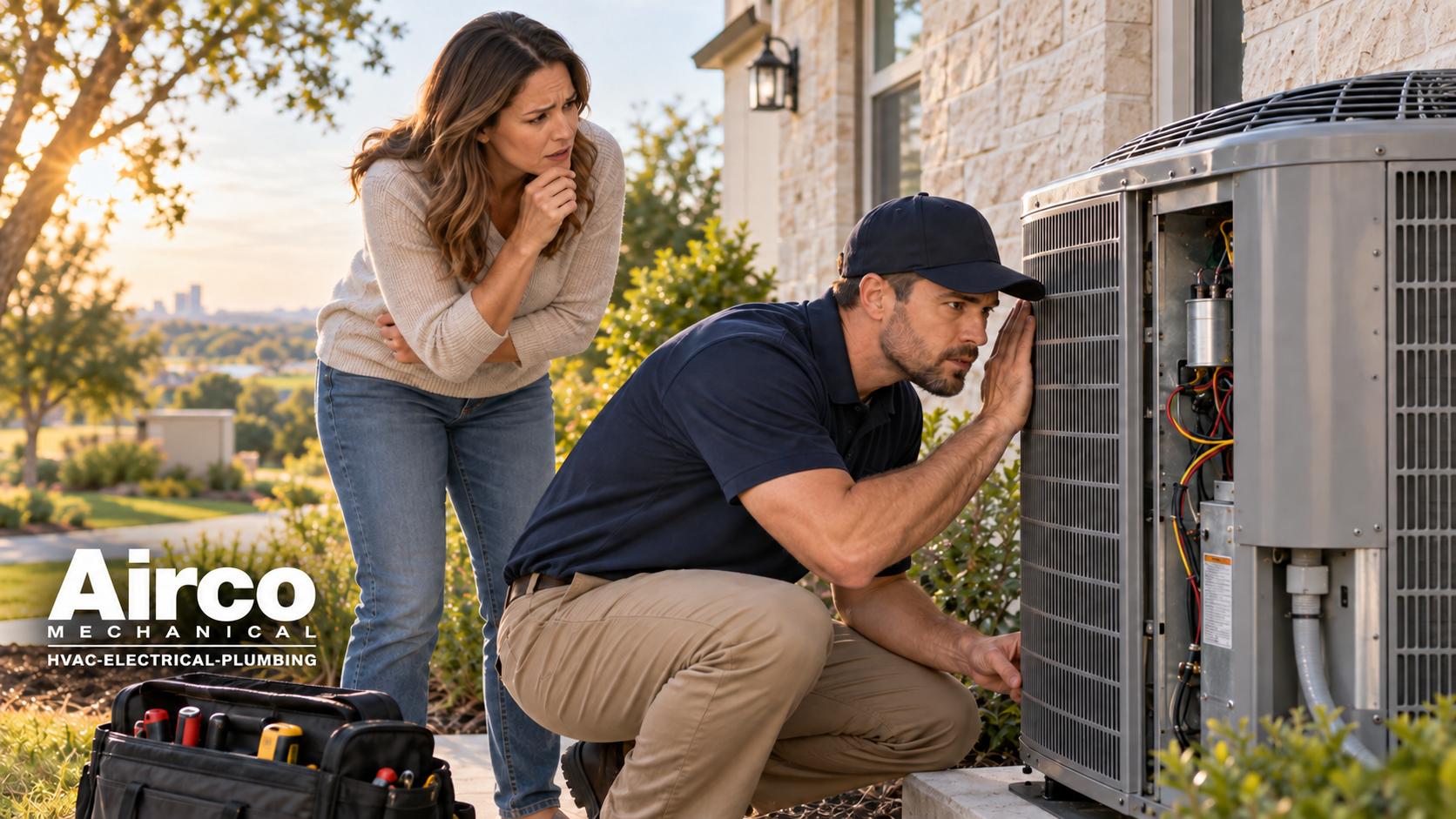
Buzzing Noise From HVAC Unit
A buzzing sound may indicate an electrical or mechanical issue.
Possible Causes:
- Loose electrical connections
- Faulty capacitor
- Compressor problems
- Dirty condenser coil
Solution:
Turn off the system if the buzzing is loud and request professional inspection.
Hissing Noise From HVAC System
A hissing sound often indicates pressure-related problems.
Possible Causes:
- Refrigerant leak
- Duct leakage
- Pressure imbalance
Solution:
Professional diagnosis is required because refrigerant issues can affect system performance.
Grinding Noise From HVAC System
Grinding sounds usually indicate serious mechanical wear.
Possible Causes:
- Motor bearing failure
- Damaged blower motor
- Lack of lubrication
Solution:
Immediate inspection is recommended to prevent expensive repairs.
HVAC Noise Troubleshooting Guide
| Noise Type | Possible Cause | Recommended Action |
|---|---|---|
| Banging | Loose components or motor issue | Professional inspection |
| Rattling | Loose parts or debris | Tighten or clean components |
| Squealing | Belt or bearing problem | Repair moving parts |
| Clicking | Electrical issue | Inspect controls |
| Buzzing | Electrical or compressor problem | Schedule repair |
| Hissing | Refrigerant or duct issue | Professional diagnosis |
| Grinding | Motor failure | Immediate service |
Common Reasons Your HVAC Starts Making Noise
Lack of Regular Maintenance
Dirty components and worn parts are common causes of HVAC noises.
Maintenance helps with:
- Cleaning moving parts
- Checking electrical connections
- Lubricating components
- Detecting early problems
Dirty HVAC Components
Dust buildup affects:
- Blower motors
- Fan blades
- Coils
- Filters
Dirty components increase system strain and create unusual sounds.
Aging HVAC Equipment
Older systems naturally develop more noise due to:
- Component wear
- Motor deterioration
- Reduced efficiency
If your system is reaching the end of its lifespan, replacement may be more cost-effective.
Poor HVAC Installation
Incorrect installation can create long-term noise problems.
Common installation issues include:
- Improper duct sizing
- Loose connections
- Poor equipment placement
- Incorrect airflow setup
A professional HVAC system installation process ensures equipment operates smoothly and efficiently.
HVAC Making Strange Noises: Repair vs Replacement
| Situation | Repair Recommended | Replacement Recommended |
|---|---|---|
| Minor loose component | ✅ | ❌ |
| Electrical repair | ✅ | ❌ |
| Old system with frequent issues | ❌ | ✅ |
| Compressor failure | Depends | Often replacement |
| System over 15 years old | ❌ | ✅ |
How to Prevent HVAC Noise Problems
Schedule Regular Maintenance
Routine maintenance helps identify problems before they create expensive failures.
Recommended maintenance includes:
- Filter replacement
- Coil cleaning
- Motor inspection
- Electrical checks
Replace Air Filters Regularly
Dirty filters restrict airflow and increase system stress.
Benefits include:
- Better airflow
- Reduced noise
- Improved efficiency
- Longer equipment lifespan
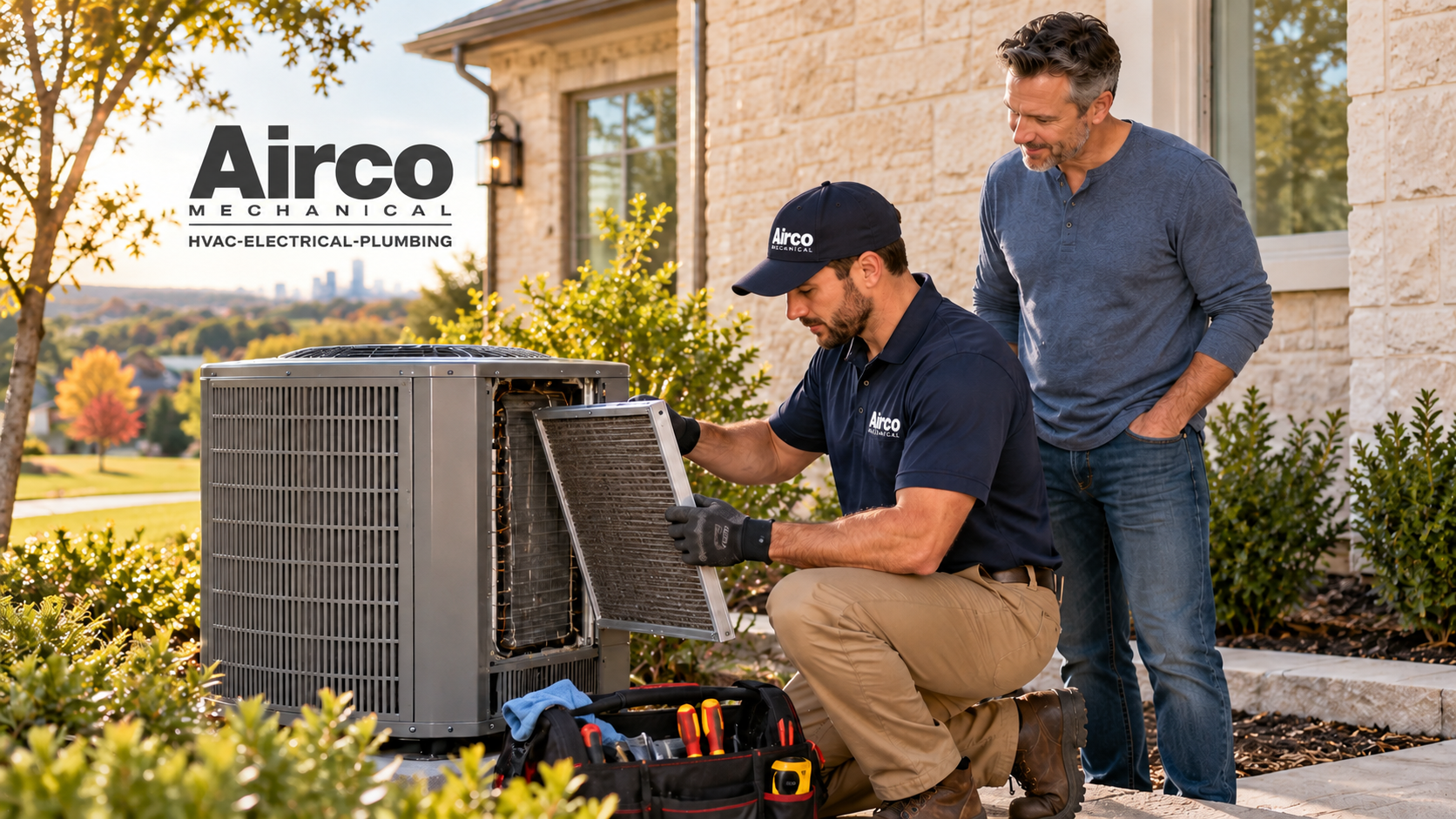
Keep Outdoor Units Clean
Outdoor HVAC units should remain free from:
- Leaves
- Dirt
- Grass clippings
- Debris
Blocked outdoor units can create additional noise and reduce performance.
Monitor Changes in HVAC Performance
Pay attention to:
- New sounds
- Increased energy bills
- Longer operating cycles
- Uneven temperatures
Early detection prevents larger HVAC problems.
Energy Efficiency Impact of HVAC Noise Issues
Unusual noises often indicate that components are working harder than normal.
Problems may cause:
- Increased electricity usage
- Longer operating cycles
- Reduced cooling or heating output
Maintaining HVAC components improves both efficiency and reliability.
According to the U.S. Department of Energy:
https://www.energy.gov/energysaver/heating-and-cooling
proper HVAC maintenance helps improve system efficiency and reduce unnecessary energy consumption.
Conclusion
HVAC making strange noises should never be ignored because unusual sounds often indicate underlying system problems. From loose components and dirty filters to electrical failures and motor issues, identifying the cause early can prevent costly repairs and improve HVAC performance.
Regular maintenance, proper installation, and professional inspections help ensure your heating and cooling system operates quietly, efficiently, and reliably.
Call-to-Action
Hearing unusual noises from your HVAC system? Contact Airco Mechanical today for professional HVAC inspection, repair, and maintenance services to keep your system running efficiently.
FAQs
Why is my HVAC system making a banging noise?
Banging sounds usually indicate loose components, fan issues, or mechanical problems.
Is HVAC buzzing noise dangerous?
Buzzing may indicate electrical issues and should be inspected by a professional.
Why does my HVAC make noise when starting?
Some startup sounds are normal, but loud or unusual noises may indicate a problem.
Can dirty filters make HVAC systems noisy?
Yes, restricted airflow can increase system strain and create unusual sounds.
Should I repair or replace a noisy HVAC system?
It depends on the system age, repair cost, and severity of the problem.