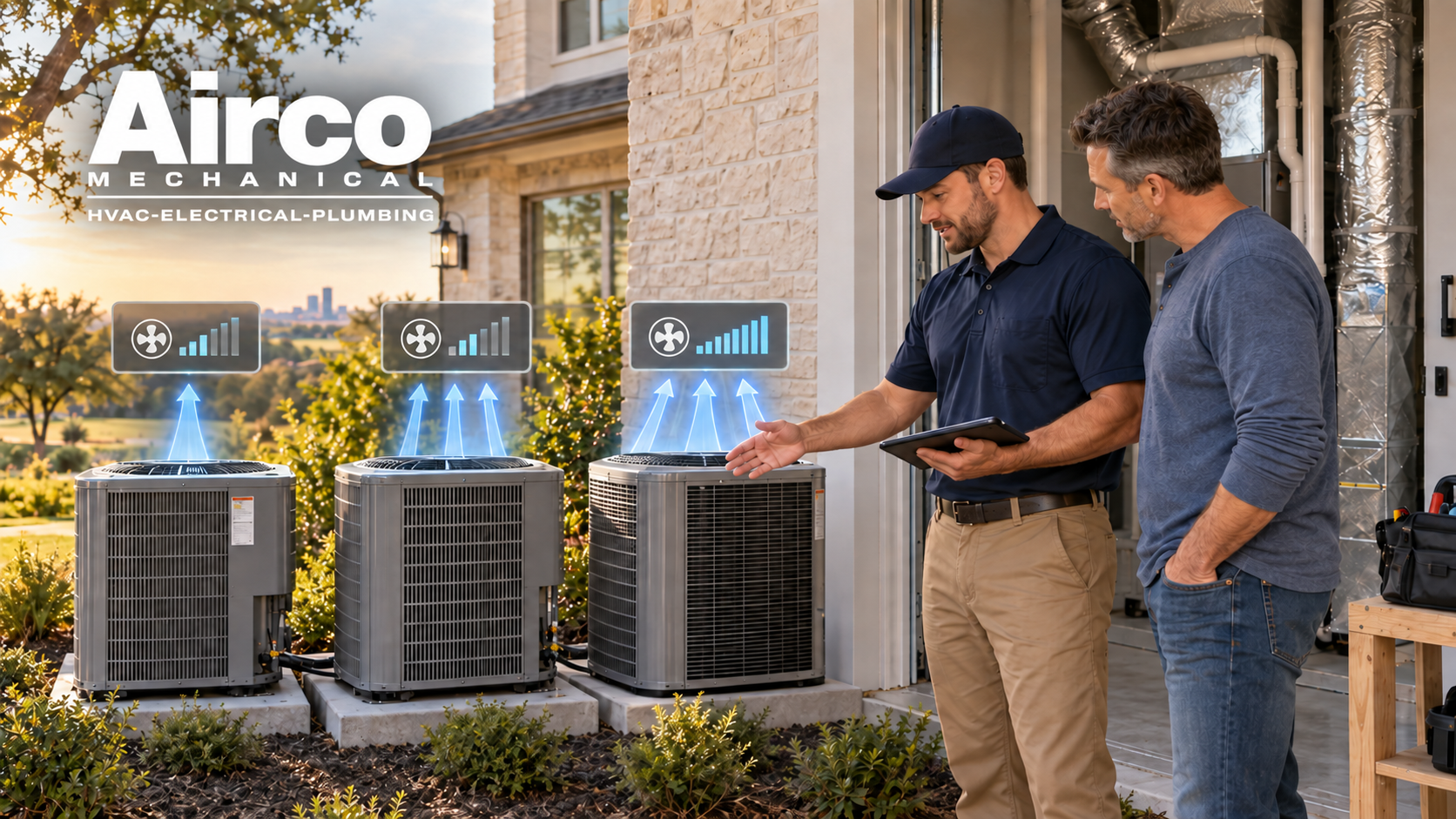
How to Improve HVAC Airflow in Commercial Buildings is essential for maintaining comfortable indoor temperatures, improving energy efficiency, and creating a healthier workplace environment. Poor airflow can lead to uneven temperatures, increased energy costs, reduced indoor air quality, and additional stress on HVAC equipment. By maintaining ductwork, optimizing system performance, and following proper maintenance practices, commercial buildings can achieve better airflow and more reliable HVAC operation.
What Is HVAC Airflow in Commercial Buildings?
HVAC airflow refers to the movement and distribution of conditioned air throughout a commercial building. An HVAC system relies on proper airflow to deliver heated or cooled air to occupied spaces while returning indoor air back to the system for conditioning.
In commercial properties, airflow management is more complex because systems must support:
- Larger building areas
- Multiple zones
-
Higher occupancy levels
- Extended operating hours
- Different temperature requirements
Proper airflow ensures that every area receives the right amount of conditioned air.
Why Proper HVAC Airflow Matters in Commercial Buildings
Maintaining proper airflow improves several aspects of building performance.
Improved Indoor Comfort
Balanced airflow helps maintain consistent temperatures across offices, meeting rooms, retail spaces, and other occupied areas.
Better Energy Efficiency
Restricted airflow forces HVAC systems to work harder, increasing energy consumption and operating costs.
Improved Indoor Air Quality
Proper airflow helps remove pollutants, distribute filtered air, and maintain healthier indoor environments.
Longer HVAC Equipment Lifespan
Efficient airflow reduces unnecessary strain on compressors, fans, and other components.
Common Causes of Poor HVAC Airflow in Commercial Buildings
Dirty or Clogged Air Filters
Air filters collect dust, debris, and airborne particles. Over time, clogged filters restrict airflow and reduce system performance.
Signs of Dirty Filters:
- Weak airflow from vents
- Increased energy bills
- Poor indoor air quality
- HVAC system running longer than normal
Solution:
Replace filters according to manufacturer recommendations and building usage levels.
Blocked or Closed Air Vents
Blocked supply vents prevent conditioned air from reaching occupied spaces.
Common causes include:
- Furniture blocking vents
- Closed dampers
- Poor office layouts
- Accumulated dust
Solution:
Inspect all vents and ensure they remain open and unobstructed.
Ductwork Leaks
Commercial buildings often have extensive duct systems. Small leaks can cause significant airflow losses.
Common Duct Problems:
- Loose connections
- Damaged sections
- Poor insulation
- Aging duct materials
Solution:
Professional duct inspection and sealing can restore lost airflow.
Poorly Designed HVAC Systems
An incorrectly designed HVAC system may fail to distribute air evenly.
Problems may include:
- Incorrect duct sizing
- Poor zoning design
- Incorrect equipment capacity
- Limited return air pathways
Proper planning during the HVAC system installation process helps prevent airflow problems from the beginning.
Dirty HVAC Components
Internal HVAC components collect dust and debris over time.
Important components include:
- Evaporator coils
- Condenser coils
- Blower motors
- Air handlers
Dirty components reduce system efficiency and airflow performance.
How to Improve HVAC Airflow in Commercial Buildings
Perform Regular HVAC Maintenance
Preventive maintenance is one of the most effective ways to improve airflow.
Maintenance tasks include:
- Replacing air filters
- Cleaning coils
- Inspecting blower motors
- Checking duct connections
- Testing airflow levels
Regular servicing helps identify airflow problems before they affect building operations.
Optimize Air Filter Selection
Choosing the correct air filter improves both airflow and air quality.
Factors to consider:
- Building occupancy
- Indoor air quality requirements
- HVAC system capacity
- Filter efficiency rating
Using an overly restrictive filter can reduce airflow if the HVAC system is not designed for it.
Inspect and Seal Ductwork
Ductwork plays a major role in commercial airflow performance.
Professional duct evaluation can identify:
- Air leaks
- Poor connections
- Insulation problems
- Improper airflow distribution
Sealing duct leaks improves system efficiency and comfort.
Balance HVAC Air Distribution
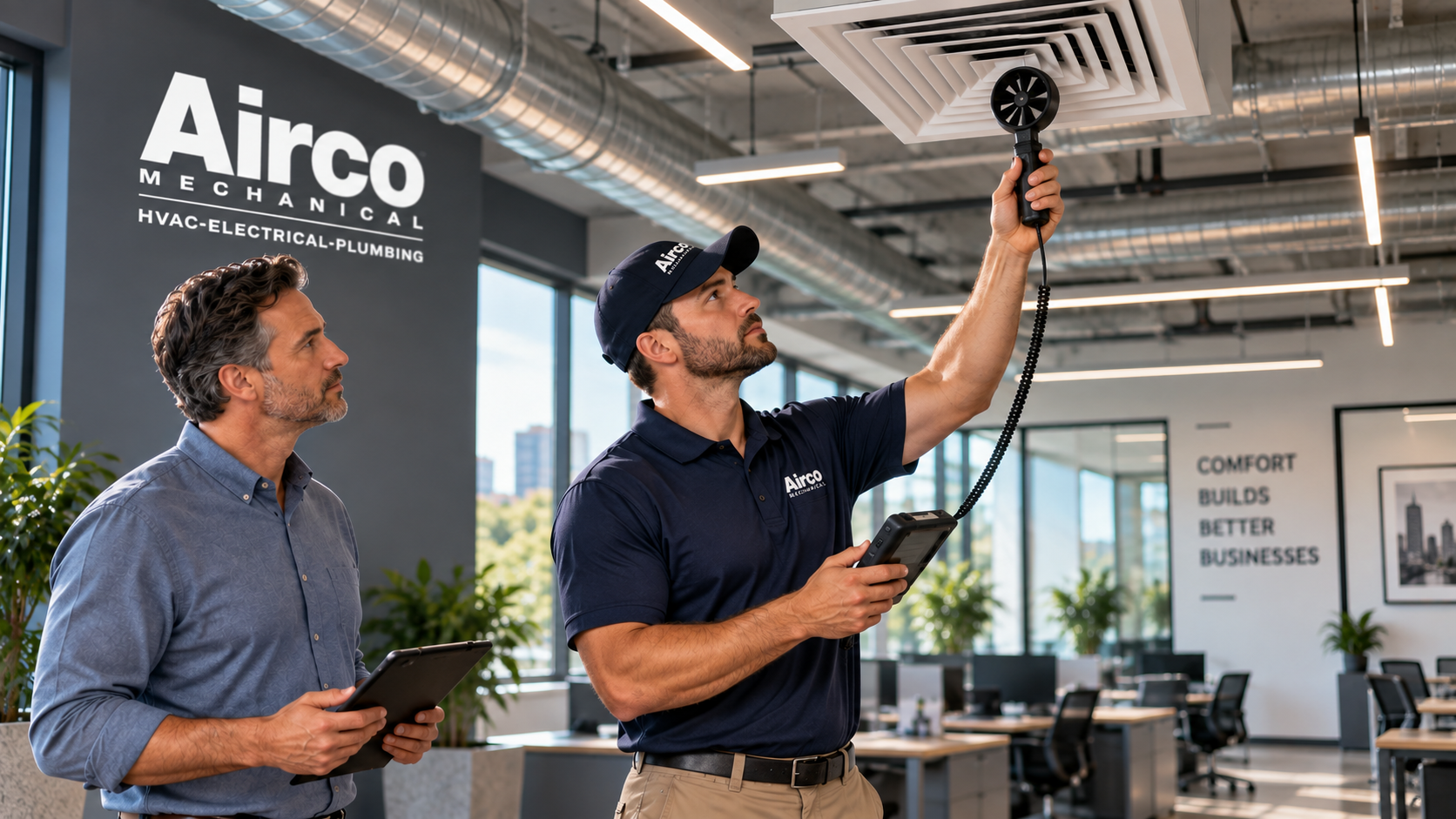
Commercial buildings often require air balancing to ensure each area receives the correct airflow.
Air balancing involves:
- Measuring airflow from vents
- Adjusting dampers
- Testing pressure levels
- Optimizing zone performance
Balanced systems provide more consistent temperatures throughout the building.
Maintain Return Air Pathways
Return air is essential for proper HVAC operation.
Blocked return air pathways can cause:
- Reduced airflow
- Increased system pressure
- Poor temperature control
Ensure return vents are clean and unobstructed.
Upgrade Outdated HVAC Equipment
Older HVAC systems may struggle to maintain proper airflow.
Modern systems offer:
- Improved blower technology
- Variable-speed operation
- Better controls
- Enhanced efficiency
Upgrading equipment can improve both airflow and energy performance.
HVAC Airflow Problems vs Proper Airflow Performance
| Feature | Proper Airflow | Poor Airflow |
|---|---|---|
| Temperature Control | Consistent | Uneven |
| Energy Usage | Efficient | Higher |
| Indoor Comfort | Improved | Reduced |
| Equipment Stress | Lower | Higher |
| Air Quality | Better | Poorer |
Signs Your Commercial HVAC System Has Airflow Problems
Businesses should watch for these warning signs:
- Uneven temperatures between rooms
- Weak airflow from vents
- Increased utility costs
- Excessive HVAC runtime
- Poor indoor air quality
- Hot and cold spots
- Frequent system repairs
Addressing these issues early prevents larger HVAC problems.
HVAC Airflow and Energy Efficiency
Poor airflow directly affects energy consumption.
When airflow is restricted:
- HVAC systems run longer
- Components experience additional stress
- Energy usage increases
- Operating costs rise
According to the U.S. Department of Energy, proper HVAC maintenance and efficient operation help reduce energy consumption:
https://www.energy.gov/energysaver/heating-and-cooling
The Role of HVAC Technology in Improving Commercial Airflow
Modern HVAC technology helps businesses maintain better airflow control.
Examples include:
Variable-Speed Systems
These systems adjust airflow based on real-time demand.
Smart HVAC Controls
Smart controls allow businesses to:
- Monitor temperatures
- Adjust zones
- Track energy usage
- Automate schedules
Building Management Systems (BMS)
Large commercial buildings use automated systems to optimize HVAC performance.
Preventing HVAC Airflow Problems in Commercial Buildings
Create a Maintenance Schedule
Regular inspections prevent airflow issues.
Recommended tasks:
- Monthly filter checks
- Seasonal HVAC inspections
- Annual duct evaluations
Monitor System Performance
Track:
- Energy usage
- Temperature complaints
- HVAC runtime
- Air quality concerns
Early detection prevents costly repairs.
Train Building Occupants
Employees should understand:
- Do not block vents
- Report temperature issues
- Avoid adjusting controls unnecessarily
Proper building usage supports HVAC efficiency.
Conclusion
How to Improve HVAC Airflow in Commercial Buildings requires a combination of regular maintenance, proper duct management, system optimization, and modern HVAC technology. Poor airflow can increase energy costs, reduce comfort, and shorten equipment lifespan, while properly balanced airflow improves efficiency and indoor air quality.
A well-maintained HVAC system allows commercial buildings to provide a comfortable environment while reducing unnecessary operating expenses.
Call-to-Action
Experiencing HVAC airflow problems in your commercial building? Contact Airco Mechanical today for professional HVAC inspections, airflow optimization, maintenance, and reliable commercial HVAC solutions.
FAQs
Why is airflow important in commercial HVAC systems?
Proper airflow ensures consistent temperatures, better air quality, and efficient HVAC operation.
How can I improve airflow in my commercial building?
Regular maintenance, duct inspections, filter replacement, and airflow balancing can improve performance.
Can dirty filters reduce HVAC airflow?
Yes, clogged filters restrict airflow and increase system strain.
How often should commercial HVAC systems be maintained?
Most commercial systems should receive professional maintenance at least twice a year.
Do duct leaks affect HVAC efficiency?
Yes, duct leaks waste conditioned air and increase energy costs.