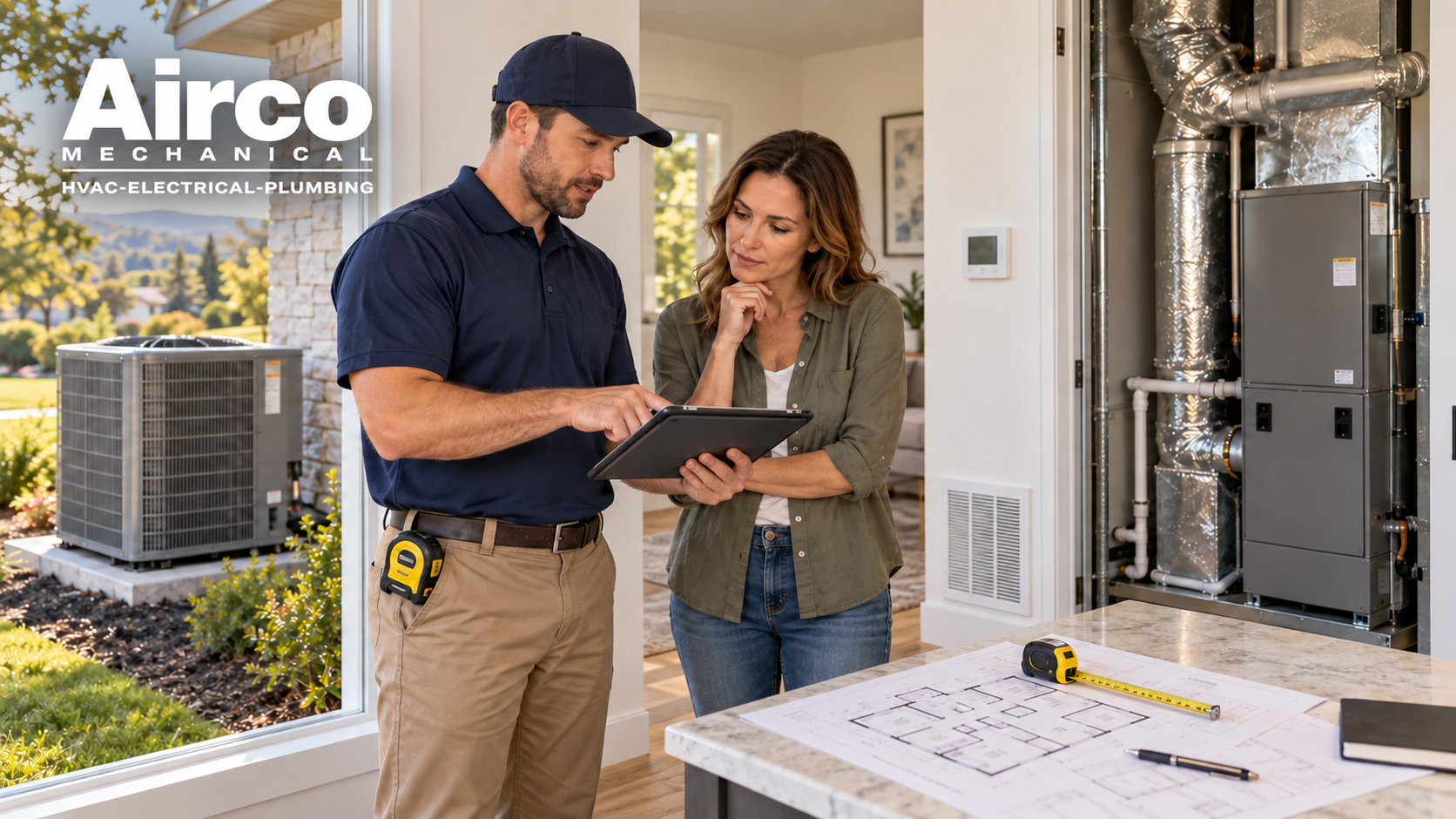
HVAC Zoning Systems provide a smarter way to control heating and cooling by allowing different areas of a home or commercial building to maintain separate temperature settings. Instead of conditioning the entire property at the same temperature, zoning systems divide spaces into individual zones with independent controls. This improves comfort, reduces energy waste, and helps homeowners get better performance from their HVAC equipment, including efficient systems like those discussed in Most dependable HVAC units heat pump – 7 best picks.
What Is an HVAC Zoning System?
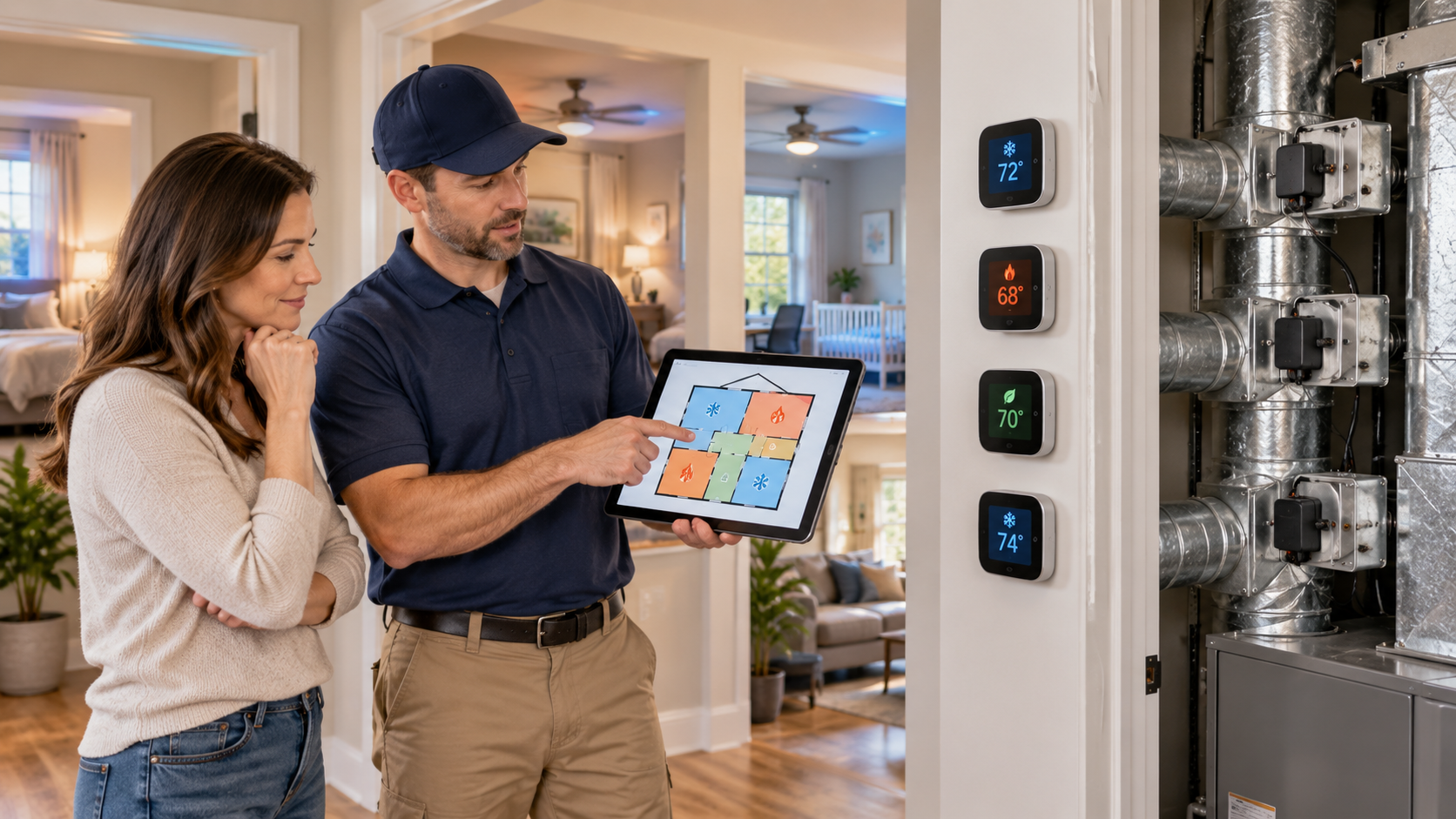
An HVAC zoning system is a heating and cooling setup that divides a building into multiple areas or “zones,” with each zone controlled independently through thermostats, dampers, and automated controls.
Traditional HVAC systems typically provide the same temperature throughout the entire property. However, different rooms often have different heating and cooling needs due to:
- Sun exposure
- Room usage
- Occupancy levels
- Building layout
- Insulation differences
HVAC zoning solves this problem by allowing customized temperature control for each area.
How HVAC Zoning Systems Work
HVAC zoning systems use multiple components working together to control airflow and temperature.
The process includes:
- Multiple thermostats monitor different areas
- A central control panel receives temperature information
- Motorized dampers adjust airflow through ductwork
- HVAC equipment provides heating or cooling
- Each zone receives the required amount of conditioned air
This allows the system to deliver comfort only where it is needed.
Key Components of HVAC Zoning Systems
Multiple Thermostats
Each zone has its own thermostat that allows users to control temperature separately.
Examples:
- Bedroom thermostat
- Living room thermostat
- Office thermostat
- Upstairs thermostat
Motorized Dampers
Dampers are installed inside ductwork to regulate airflow.
They:
- Open when a zone needs conditioning
- Close when the desired temperature is reached
- Redirect airflow to other areas
Zone Control Panel
The control panel acts as the brain of the zoning system.
It manages:
- Thermostat signals
- Damper operation
- HVAC equipment activation
- Temperature adjustments
Smart HVAC Controls
Modern zoning systems can integrate with smart technology.
Features include:
- Remote temperature control
- Scheduling
- Energy monitoring
- Mobile app access
- Automated adjustments
Why HVAC Zoning Systems Are Important
Traditional HVAC systems often waste energy by heating or cooling unused areas.
For example:
- Empty bedrooms receive cooling during the day
- Unused floors remain heated
- Different family members cannot customize temperatures
HVAC zoning systems solve these problems by providing targeted comfort.
Benefits of HVAC Zoning Systems
Improved Comfort Throughout the Property
Different people prefer different temperatures.
With zoning:
- Bedrooms can stay cooler
- Living areas can maintain comfortable temperatures
- Unused rooms can use less energy
Better Energy Efficiency
HVAC zoning reduces unnecessary heating and cooling.
Energy savings come from:
- Conditioning occupied areas only
- Reducing HVAC runtime
- Improving temperature control
Lower Utility Bills
Because the system avoids wasting energy, homeowners may experience reduced heating and cooling costs.
Better Temperature Balance
Many homes experience:
- Hot upstairs rooms
- Cold downstairs areas
- Uneven airflow
Zoning helps balance temperature differences.
Increased HVAC Lifespan
By reducing unnecessary operation, zoning systems can decrease equipment strain.
Types of HVAC Zoning Systems
Traditional Duct-Based Zoning
This system uses existing ductwork with motorized dampers.
Best for:
- Larger homes
- Multi-story properties
- Existing central HVAC systems
Ductless Mini-Split Zoning
Ductless systems provide individual temperature control without traditional ductwork.
Benefits include:
- Independent room control
- Flexible installation
- High efficiency
Smart Zoning Systems
Smart zoning combines HVAC controls with automation technology.
Features include:
- Sensors
- Smart thermostats
- Automated scheduling
- Remote management
HVAC Zoning Systems vs Traditional HVAC Systems
| Feature | HVAC Zoning System | Traditional HVAC System |
|---|---|---|
| Temperature Control | Individual zones | One temperature for entire property |
| Energy Efficiency | Higher | Lower |
| Comfort | Customized | Limited |
| Installation Cost | Higher | Lower |
| Long-Term Savings | Better | Limited |
Where HVAC Zoning Systems Work Best
Multi-Story Homes
Different floors often have different heating and cooling requirements.
Example:
- Upstairs gets warmer during summer
- Basement remains cooler
Zoning helps balance these differences.
Large Homes
Large properties benefit because not every room requires the same level of conditioning.
Homes With Home Offices
Rooms used during working hours can receive customized temperatures without affecting the rest of the home.
Commercial Buildings
Commercial zoning is useful for:
- Offices
- Retail spaces
- Schools
- Medical facilities
Different departments often require different comfort levels.
HVAC Zoning Installation Process
A professional zoning installation usually includes:
Property Assessment
Technicians evaluate:
- Home layout
- Existing HVAC system
- Ductwork condition
- Comfort issues
Zone Planning
Areas are divided based on:
- Usage
- Size
- Temperature requirements
Damper Installation
Motorized dampers are installed inside ductwork to control airflow.
Thermostat Installation
Each zone receives independent temperature controls.
System Testing
The system is tested to ensure:
- Proper airflow
- Correct temperature control
- Efficient operation
A professional HVAC system installation process ensures zoning components work correctly with your existing HVAC equipment.
Cost of HVAC Zoning Systems
The cost of installing HVAC zoning depends on:
- Number of zones
- Existing ductwork
- Equipment compatibility
- Control system features
Typical factors include:
| Factor | Cost Impact |
|---|---|
| Additional Thermostats | Medium |
| Motorized Dampers | Medium |
| Smart Controls | Higher |
| Duct Modifications | Higher |
While zoning systems require a higher initial investment, they can provide long-term energy savings.
Common HVAC Zoning Problems
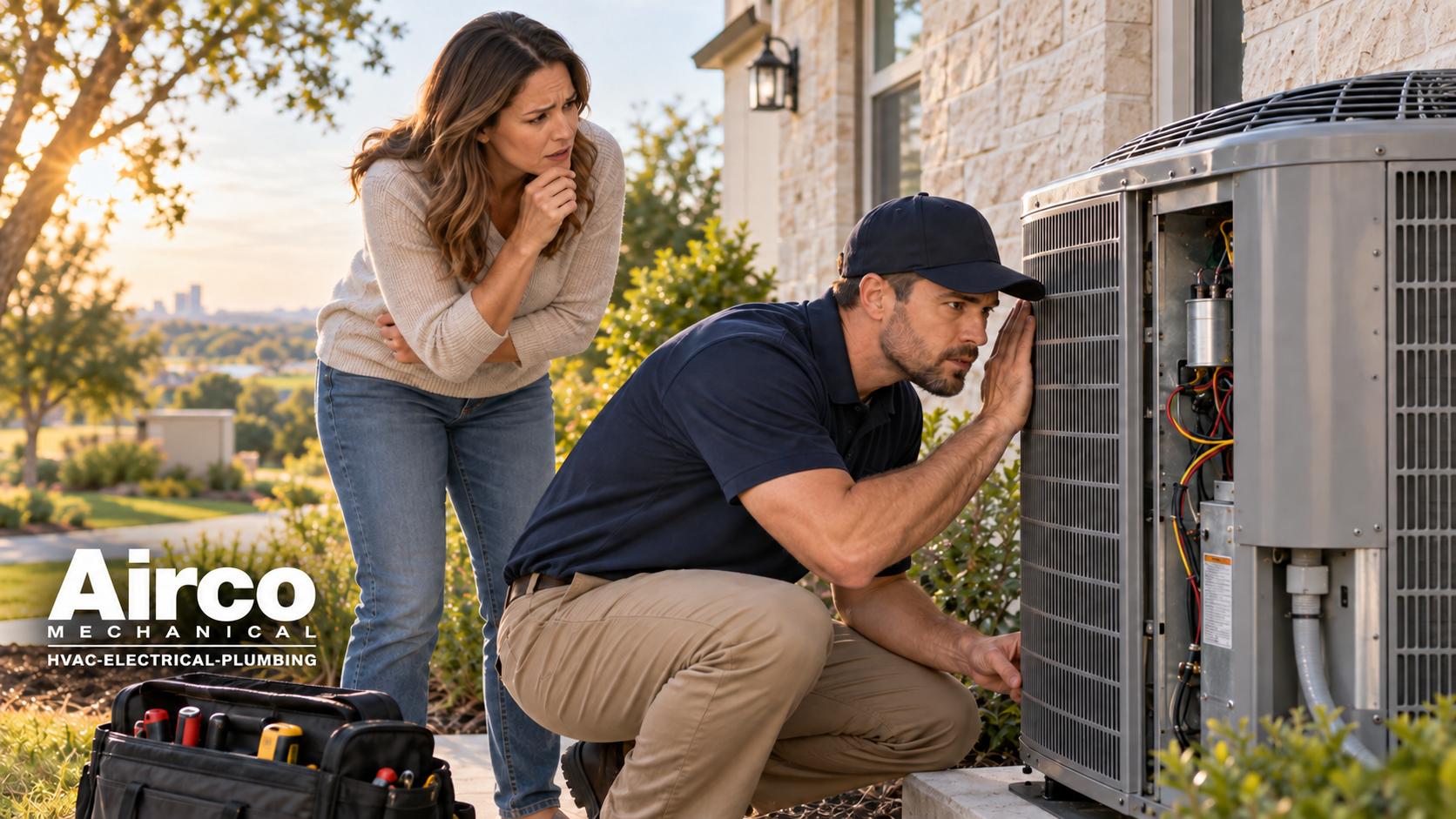
Incorrect Zone Design
Poor planning can cause:
- Uneven airflow
- System strain
- Reduced efficiency
Improper Damper Installation
Incorrect damper setup may restrict airflow.
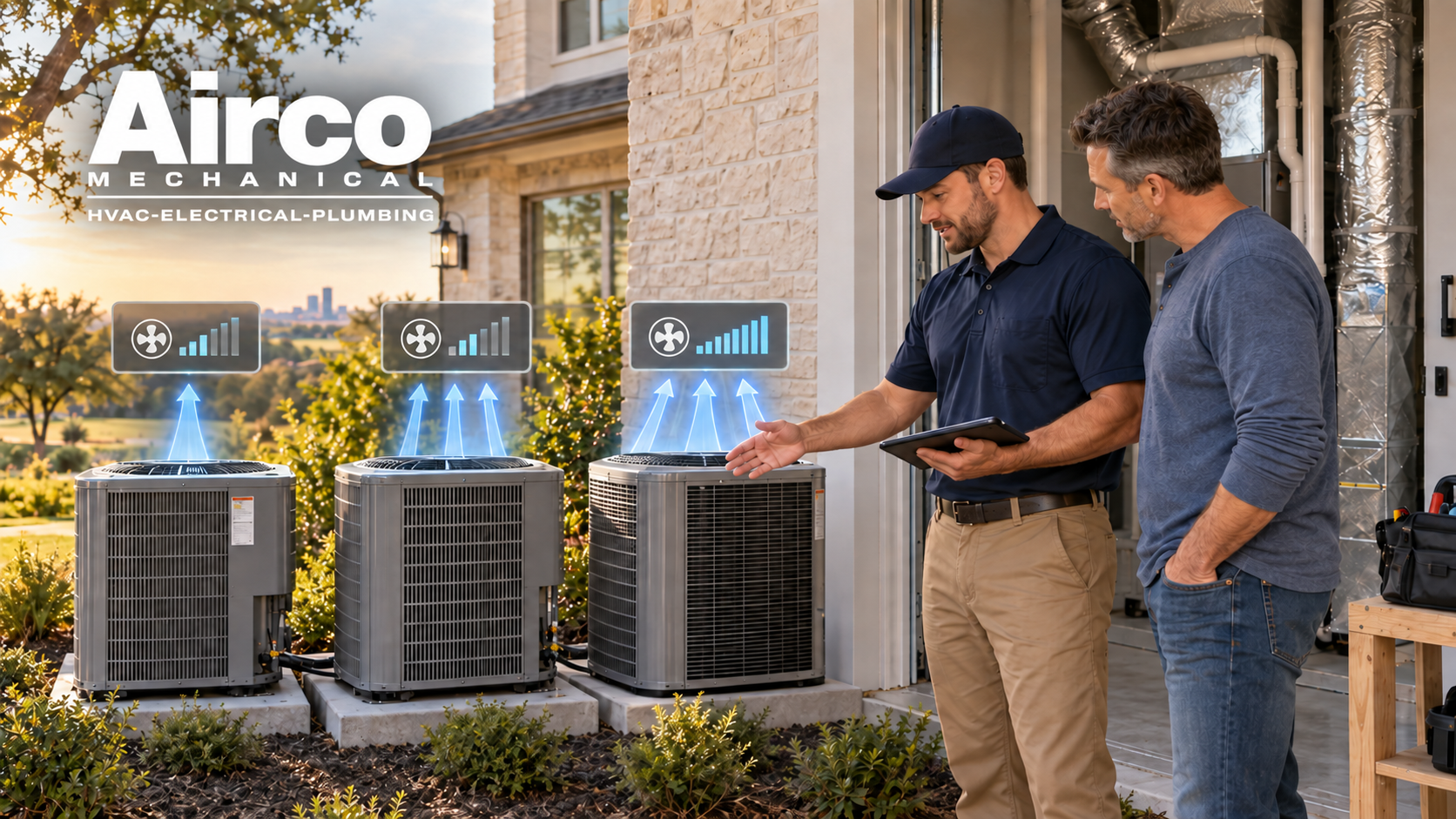
Wrong HVAC System Size
Zoning works best with properly sized HVAC equipment.
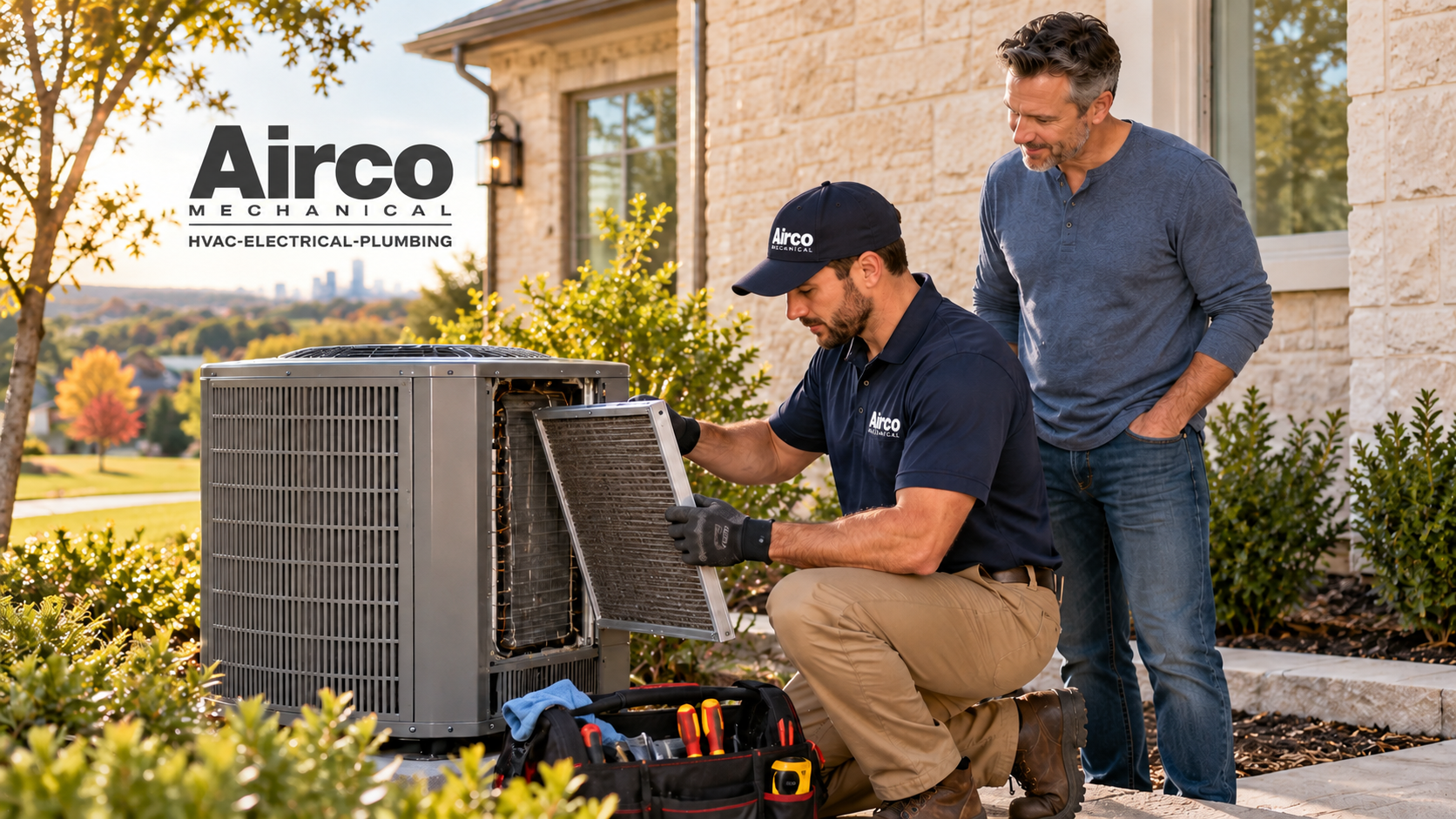
Poor Maintenance
Zoning components require regular inspection.
Maintenance includes:
- Checking thermostats
- Testing dampers
- Inspecting controls
- Maintaining HVAC equipment
How to Maintain an HVAC Zoning System
Follow these practices:
- Replace filters regularly
- Test thermostats
- Inspect dampers annually
- Schedule professional maintenance
- Monitor energy usage
Proper maintenance keeps zoning systems efficient.
Are HVAC Zoning Systems Worth It?
HVAC zoning systems are especially valuable for properties with:
- Multiple floors
- Large living spaces
- Different comfort preferences
- High energy usage
They provide better control and efficiency compared to traditional HVAC setups.
Conclusion
HVAC Zoning Systems provide a smarter approach to heating and cooling by allowing different areas of a property to maintain separate temperature settings. They improve comfort, reduce energy waste, and provide better control over HVAC operation.
While zoning systems require a higher upfront investment, the improved efficiency, customized comfort, and long-term savings make them a valuable upgrade for many homes and commercial properties.
Call-to-Action
Want to improve comfort and energy efficiency with an HVAC zoning system? Contact Airco Mechanical today for expert HVAC consultation, zoning installation, and customized heating and cooling solutions.
FAQs
What is an HVAC zoning system?
An HVAC zoning system divides a property into separate areas with individual temperature controls.
Do HVAC zoning systems save energy?
Yes, zoning reduces energy waste by conditioning only the areas that need heating or cooling.
Can zoning be added to an existing HVAC system?
Yes, many existing HVAC systems can be upgraded with zoning controls.
How many zones can an HVAC system have?
The number of zones depends on system capacity, ductwork, and property layout.
Are HVAC zoning systems expensive?
Costs vary, but the long-term comfort and energy savings can make them worthwhile.