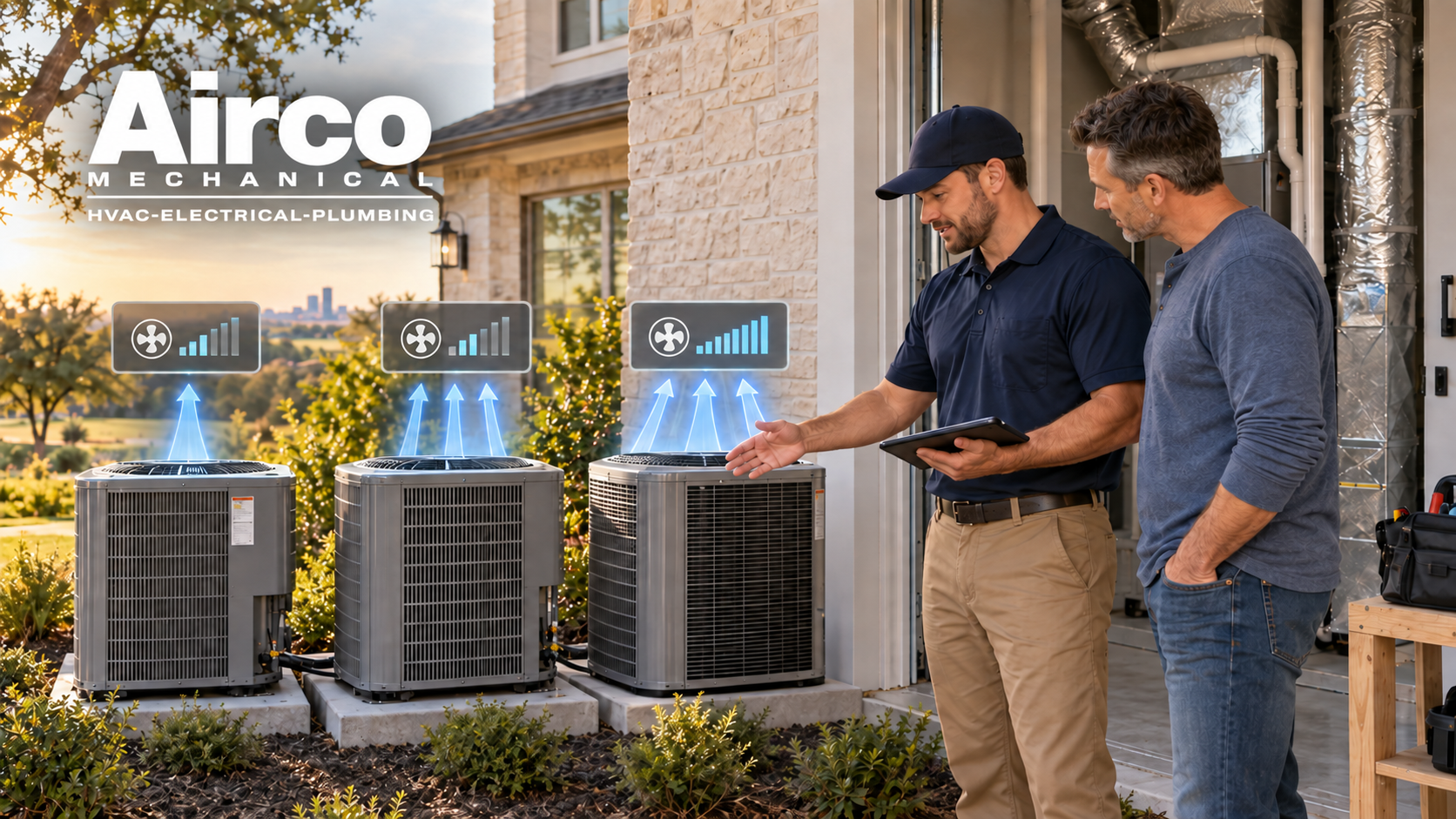
Heat Pump Maintenance Checklist helps homeowners keep their heating and cooling systems operating efficiently, reduce energy costs, and prevent unexpected breakdowns throughout the year. Unlike traditional HVAC systems, heat pumps provide both heating and cooling, meaning they operate in multiple seasons and require consistent maintenance to perform properly. Following a proper maintenance routine and choosing reliable equipment, such as options discussed in Most dependable HVAC units heat pump – 7 best picks, can improve efficiency, extend system lifespan, and maintain indoor comfort.
What Is Heat Pump Maintenance?
Heat pump maintenance is the process of inspecting, cleaning, and servicing different components of a heat pump system to ensure reliable operation.
A heat pump works differently from traditional HVAC systems because it transfers heat between indoor and outdoor environments instead of only generating heating or cooling.
A complete maintenance routine includes:
- Cleaning system components
- Checking airflow
- Inspecting electrical connections
- Maintaining refrigerant levels
- Testing system performance
- Checking safety controls
Regular maintenance ensures the system can efficiently switch between heating and cooling modes.
Why Heat Pump Maintenance Is Important
Heat pumps operate throughout the year, which means they experience more continuous use compared to seasonal HVAC equipment.
Regular maintenance helps:
- Improve energy efficiency
- Reduce operating costs
- Prevent unexpected failures
- Improve heating and cooling performance
- Extend equipment lifespan
- Maintain indoor comfort
Without proper maintenance, heat pumps may lose efficiency and require expensive repairs.
How Heat Pumps Work
Before understanding maintenance requirements, it is important to understand the basic operation of a heat pump.
The process includes:
- Outdoor unit absorbs or releases heat
- Refrigerant transfers thermal energy
- Indoor coil conditions the air
- Blower distributes conditioned air
- System adjusts operation based on thermostat settings
Because heat pumps operate year-round, each component must remain clean and properly maintained.
Heat Pump Maintenance Checklist for Homeowners
Replace or Clean Air Filters Regularly
Air filters are one of the most important maintenance components.
Dirty filters restrict airflow and force the heat pump to work harder.
Benefits of Clean Filters:
- Better airflow
- Improved efficiency
- Reduced energy consumption
- Better indoor air quality
Most filters should be checked monthly and replaced every 1–3 months depending on usage.
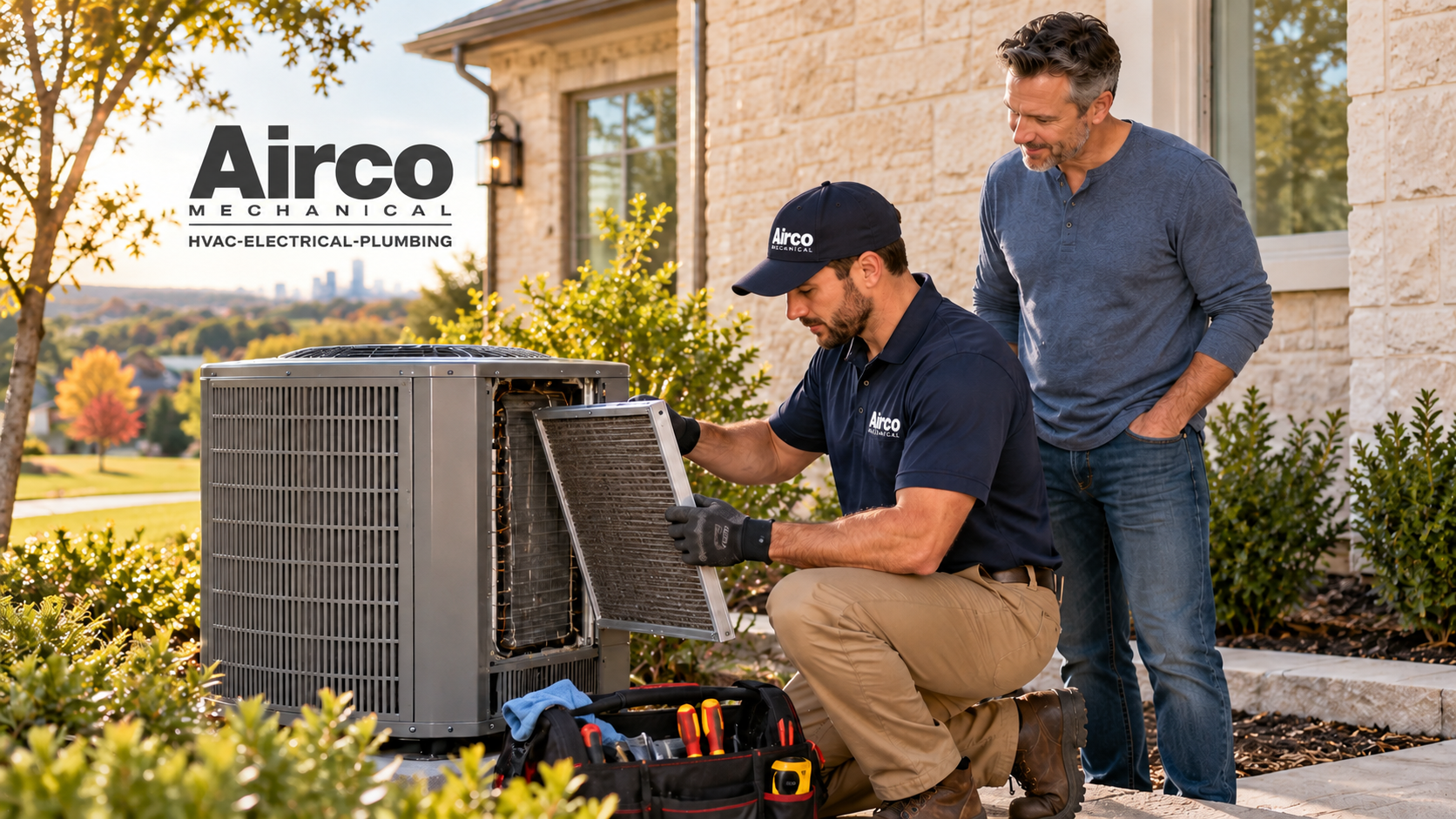
Inspect Outdoor Heat Pump Unit
The outdoor unit needs proper airflow to operate efficiently.
Maintenance Tasks:
- Remove leaves and debris
- Clear vegetation around the unit
- Check for dirt buildup
- Keep airflow clearance around the equipment
Blocked outdoor units reduce efficiency and increase system strain.
Clean Heat Pump Coils
Both indoor and outdoor coils play an important role in heat transfer.
Dirty coils can cause:
- Reduced heating and cooling capacity
- Higher energy usage
- Longer operating cycles
- Component stress
Professional coil cleaning improves system performance.
Check Refrigerant Levels
Heat pumps rely on refrigerant to transfer heat effectively.
Low refrigerant levels may cause:
- Poor heating performance
- Reduced cooling ability
- Ice buildup
- Increased energy consumption
Refrigerant issues should always be handled by trained HVAC professionals.
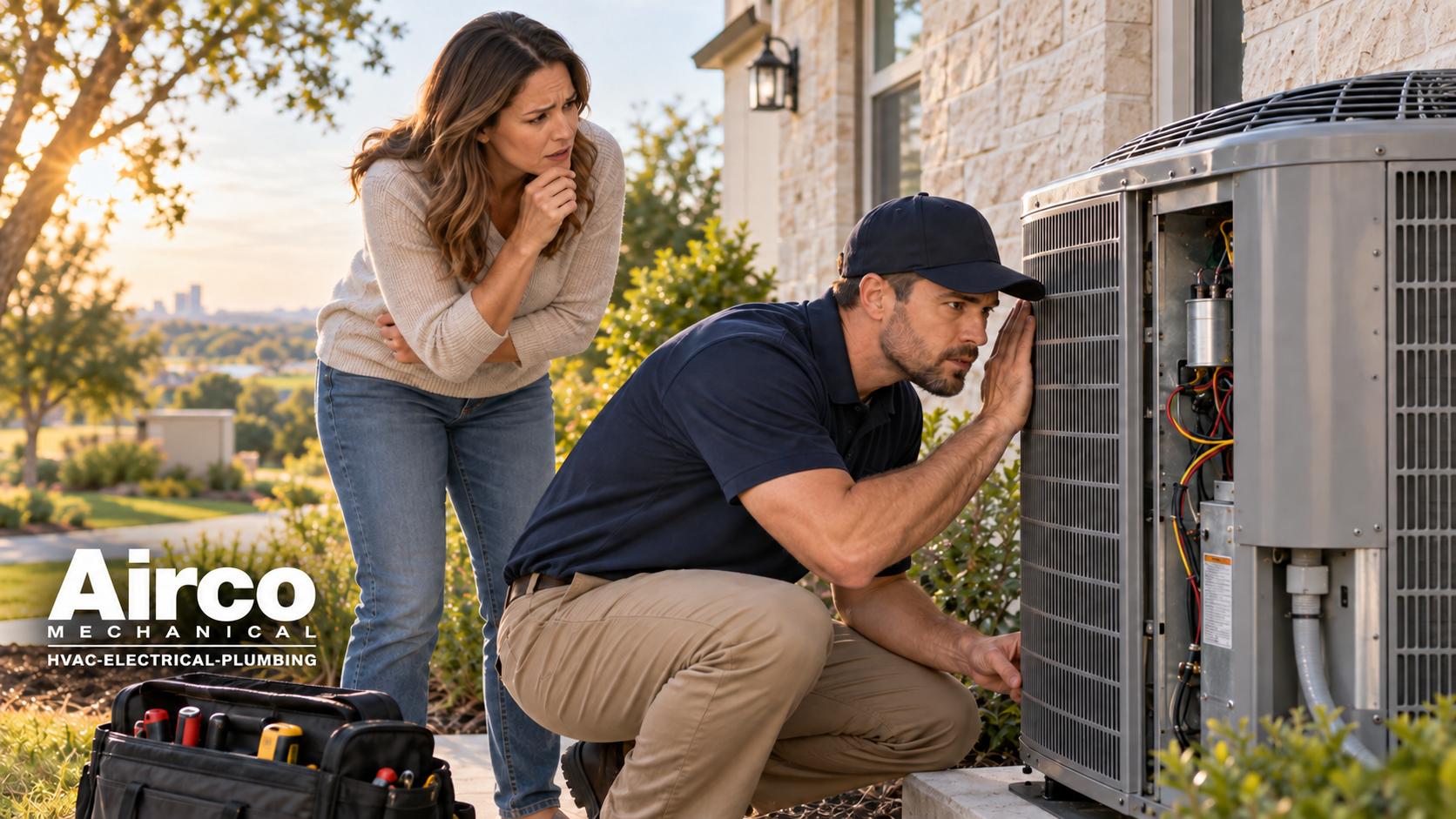
Inspect Electrical Connections
Electrical components should be checked regularly for safety and reliability.
Important components include:
- Wiring
- Capacitors
- Relays
- Circuit connections
Loose electrical connections can reduce performance and create safety risks.
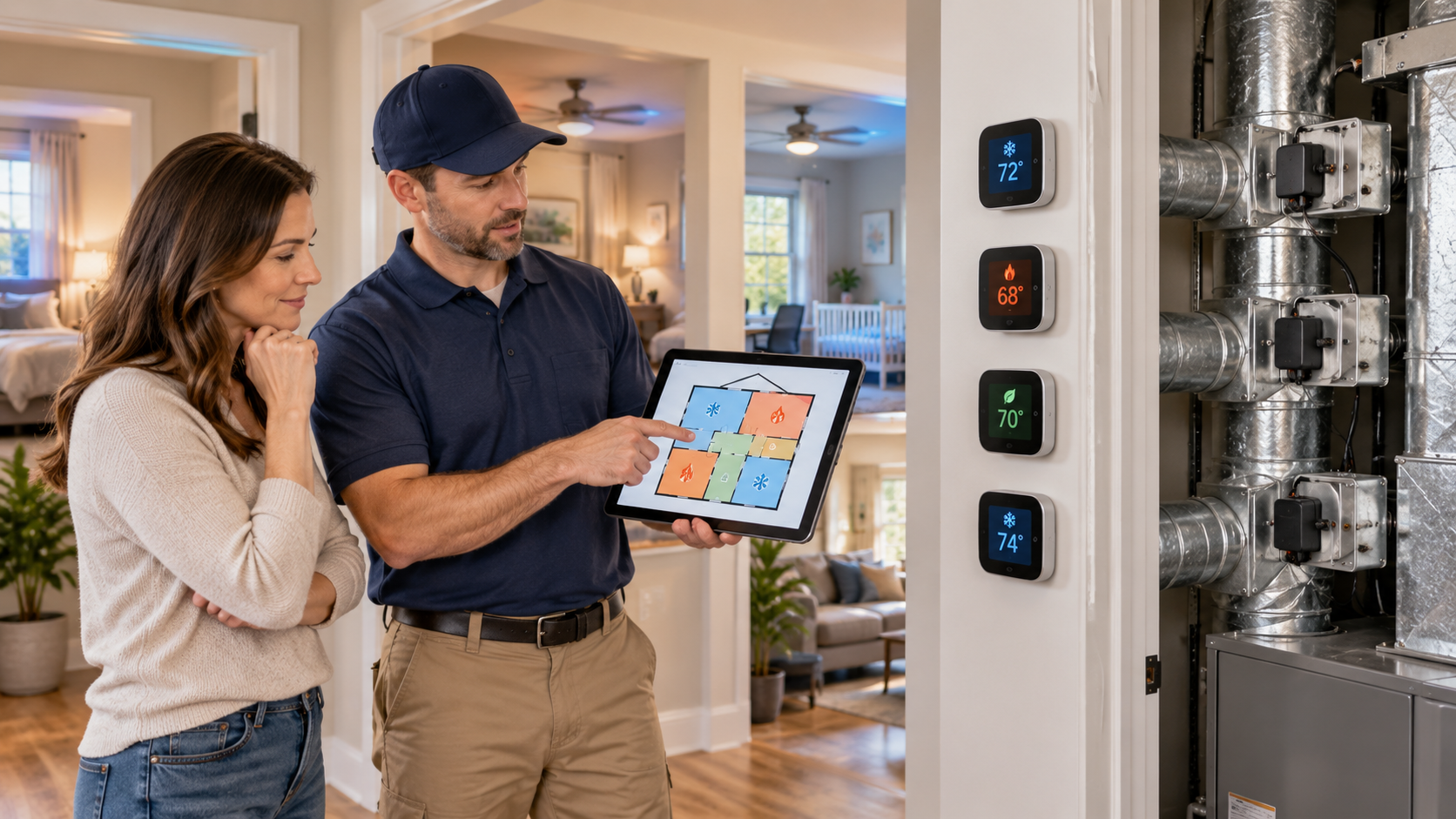
Test Thermostat Performance
A properly functioning thermostat ensures the heat pump operates correctly.
Check:
- Temperature accuracy
- Programming settings
- Battery condition
- Smart thermostat connectivity
A properly configured thermostat improves comfort and efficiency.
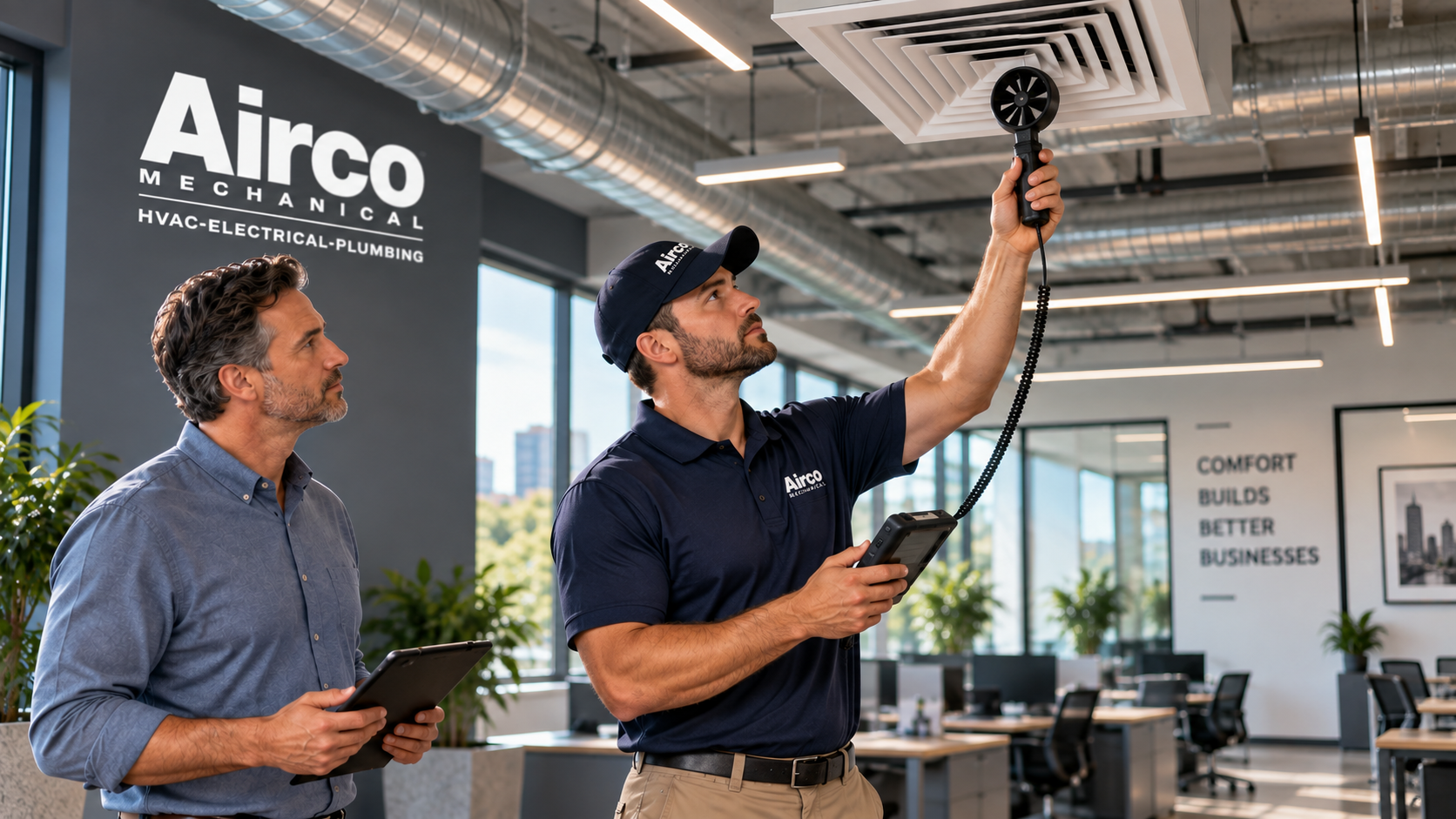
Check Airflow Performance
Proper airflow is essential for heat pump operation.
Signs of airflow problems include:
- Weak air from vents
- Uneven temperatures
- Longer system cycles
- Increased energy bills
Airflow issues may result from:
- Dirty filters
- Blocked vents
- Duct leaks
- Blower problems
Inspect the Defrost Cycle
During winter operation, outdoor coils may collect frost.
The defrost cycle removes ice buildup and allows efficient heating.
Problems with defrost operation can cause:
- Reduced heating performance
- Ice accumulation
- Increased energy usage
Professional inspection ensures proper operation.
Check Condensate Drain System
Heat pumps produce condensation during operation.
Blocked drain lines can cause:
- Water leaks
- Moisture problems
- Mold growth
- System shutdowns
Regular drain inspection prevents these issues.
Professional Heat Pump Maintenance Checklist
While homeowners can perform basic maintenance, professional service is required for detailed inspections.
A professional heat pump tune-up includes:
| Maintenance Task | Purpose |
|---|---|
| Electrical Inspection | Safety and reliability |
| Refrigerant Check | Proper heat transfer |
| Coil Cleaning | Better efficiency |
| Airflow Testing | Improved performance |
| Component Inspection | Prevent failures |
| System Calibration | Optimal operation |
Seasonal Heat Pump Maintenance Checklist
Spring Maintenance
Spring preparation focuses on cooling performance.
Tasks include:
- Clean outdoor coils
- Check refrigerant levels
- Replace filters
- Test cooling operation
Summer Maintenance
During heavy cooling demand:
- Monitor airflow
- Keep outdoor unit clean
- Check thermostat settings
- Schedule professional inspection
Fall Maintenance
Before heating season:
- Inspect heating operation
- Test defrost cycle
- Check electrical components
- Clean system parts
Winter Maintenance
Winter maintenance focuses on heating reliability.
Tasks include:
- Remove snow and debris
- Monitor outdoor unit
- Check airflow
- Inspect heating performance
Heat Pump Maintenance Checklist vs Neglected Maintenance
| Feature | Regular Maintenance | Neglected Maintenance |
|---|---|---|
| Energy Efficiency | High | Reduced |
| Repair Frequency | Lower | Higher |
| Comfort | Consistent | Uneven |
| Equipment Lifespan | Longer | Shorter |
| Operating Costs | Lower | Higher |
Common Heat Pump Problems Caused by Poor Maintenance
Neglecting maintenance may lead to:
Poor Heating Performance
Caused by:
- Dirty coils
- Refrigerant problems
- Airflow restrictions
Higher Energy Bills
Inefficient operation increases electricity consumption.
Frequent Cycling
Often caused by airflow or thermostat issues.
Ice Buildup
May indicate airflow or refrigerant problems.
How Installation Quality Affects Heat Pump Performance
Even the best heat pump requires proper installation to perform efficiently.
Installation problems may include:
- Incorrect sizing
- Poor airflow design
- Improper refrigerant setup
- Incorrect placement
Following a professional HVAC system installation process ensures your heat pump operates efficiently from day one.
Tips to Extend Heat Pump Lifespan
Homeowners can improve system longevity by:
- Scheduling annual maintenance
- Keeping filters clean
- Maintaining outdoor clearance
- Monitoring unusual noises
- Addressing issues early
Proper care can significantly extend equipment life.
Energy Efficiency Benefits of Heat Pump Maintenance
According to the U.S. Department of Energy:
https://www.energy.gov/energysaver/heat-pump-systems
proper maintenance helps heat pumps operate efficiently and reduces unnecessary energy consumption.
A maintained heat pump provides:
- Lower utility costs
- Better comfort
- Improved reliability
- Reduced environmental impact
Conclusion
A proper Heat Pump Maintenance Checklist helps homeowners maintain reliable heating and cooling performance throughout the year. Since heat pumps operate in both summer and winter, regular inspections, cleaning, and professional servicing are essential for efficiency and longevity.
By maintaining filters, coils, airflow, electrical components, and system controls, homeowners can reduce energy costs, prevent unexpected repairs, and enjoy consistent indoor comfort.
Call-to-Action
Need professional heat pump maintenance or system inspection? Contact Airco Mechanical today for expert heat pump services, seasonal maintenance, and energy-efficient HVAC solutions designed for your home.
FAQs
How often should a heat pump be serviced?
Heat pumps should typically receive professional maintenance at least once a year, preferably before major heating or cooling seasons.
Do heat pumps need maintenance every year?
Yes. Since heat pumps operate year-round, regular maintenance helps maintain efficiency and reliability.
How often should heat pump filters be changed?
Filters should usually be checked monthly and replaced every 1–3 months.
Can maintenance improve heat pump efficiency?
Yes, regular maintenance improves airflow, reduces energy waste, and improves system performance.
How long does a heat pump last?
With proper maintenance, many heat pumps can last around 10–15 years or longer.