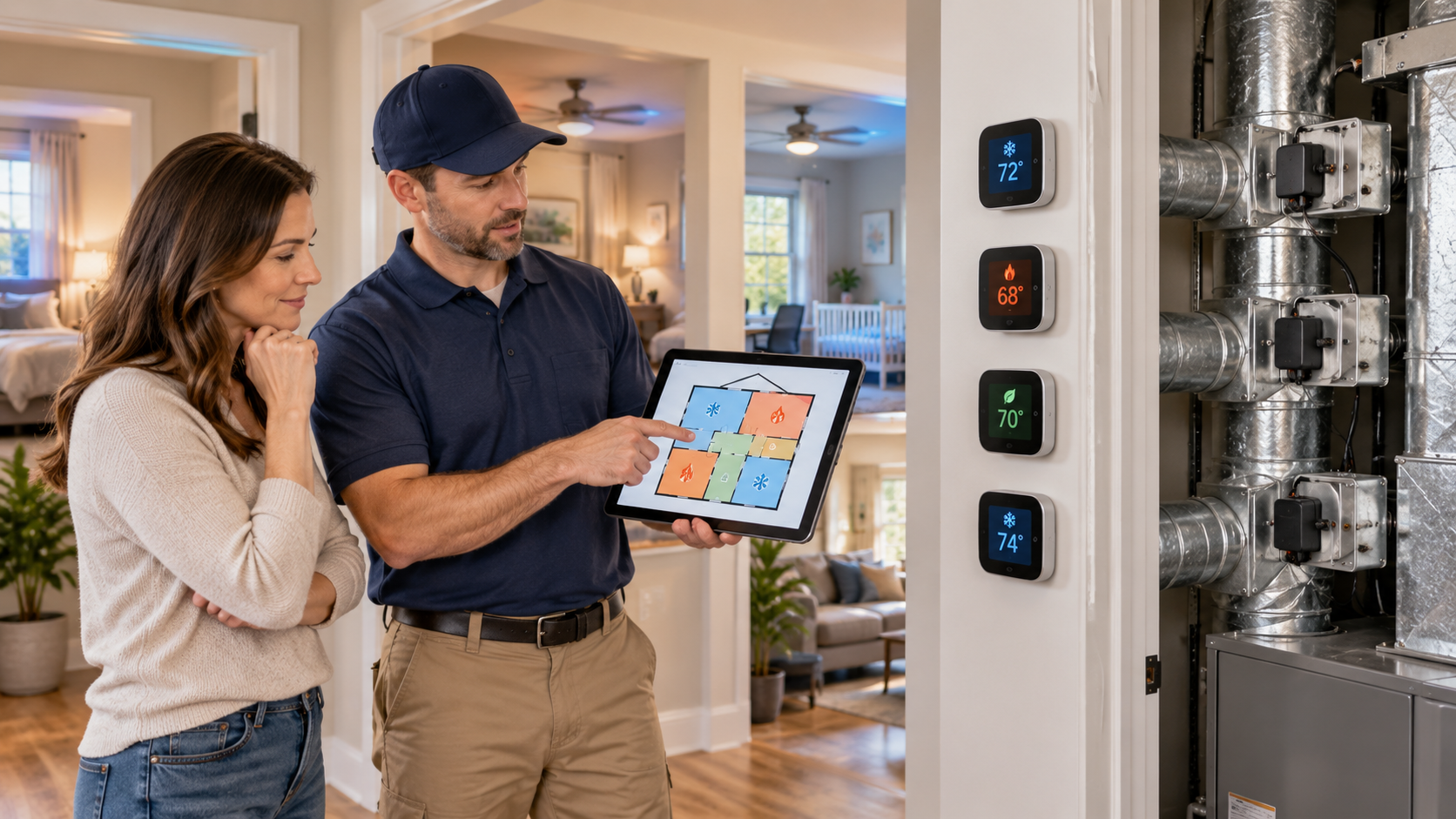
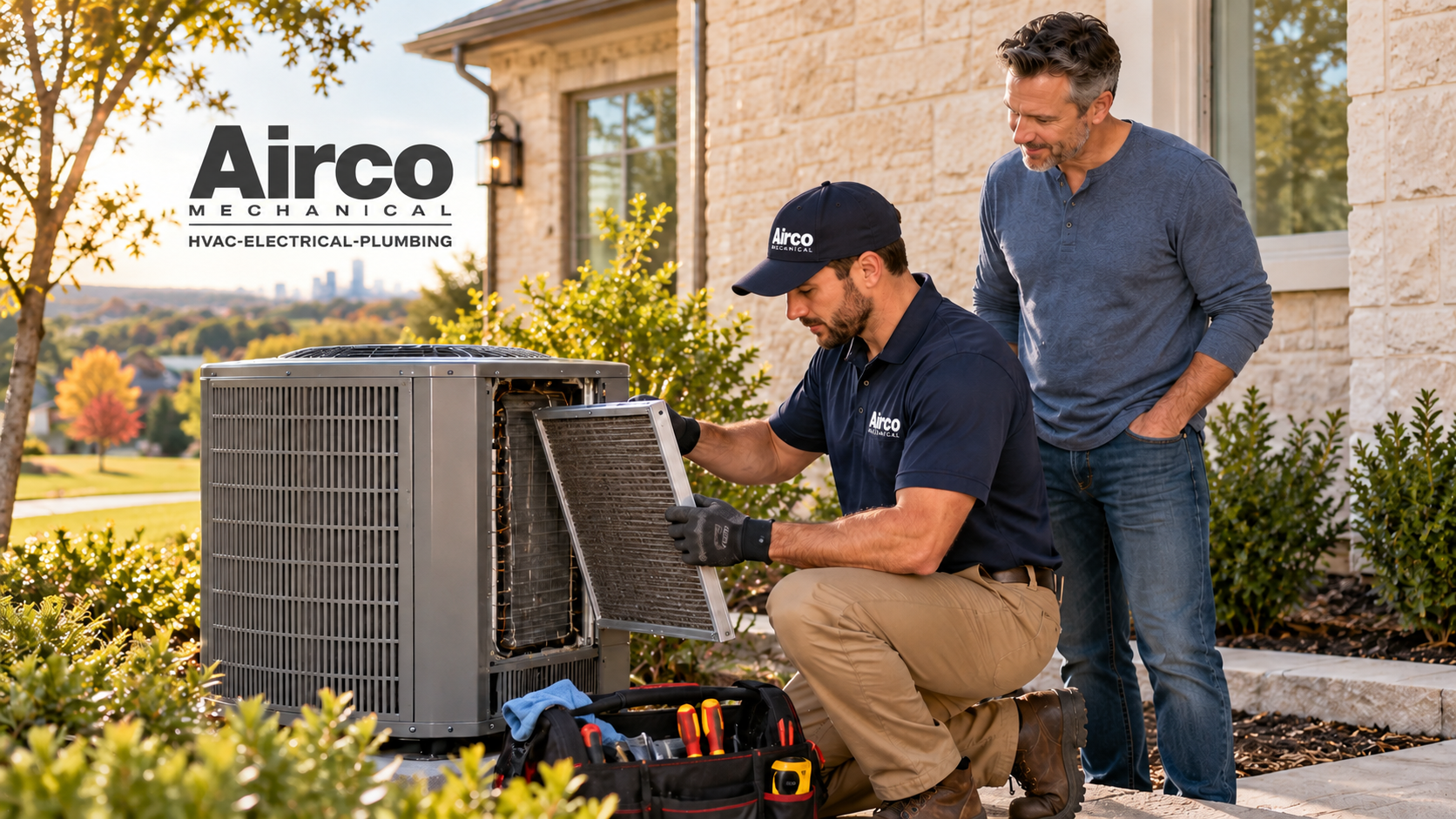
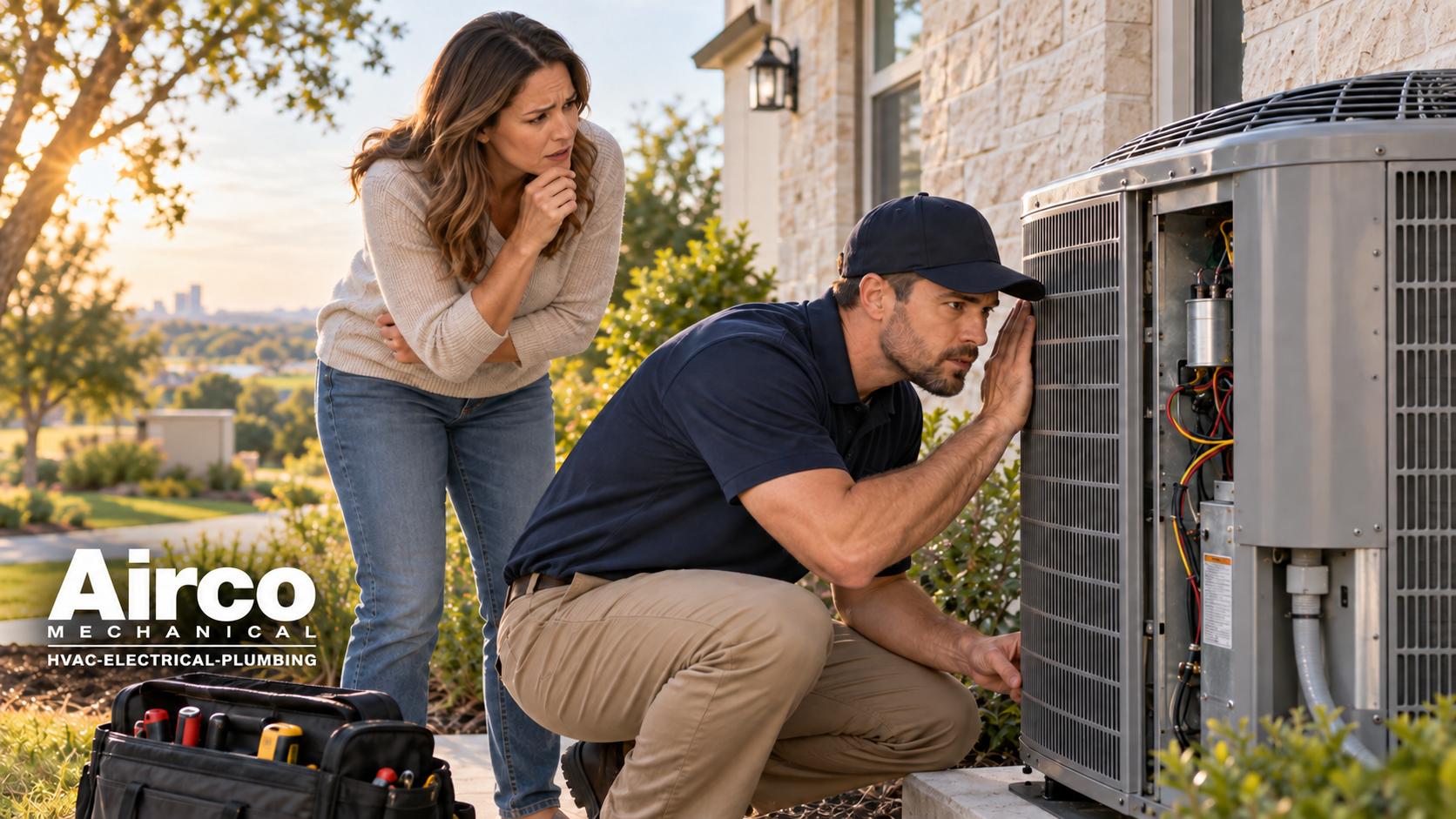
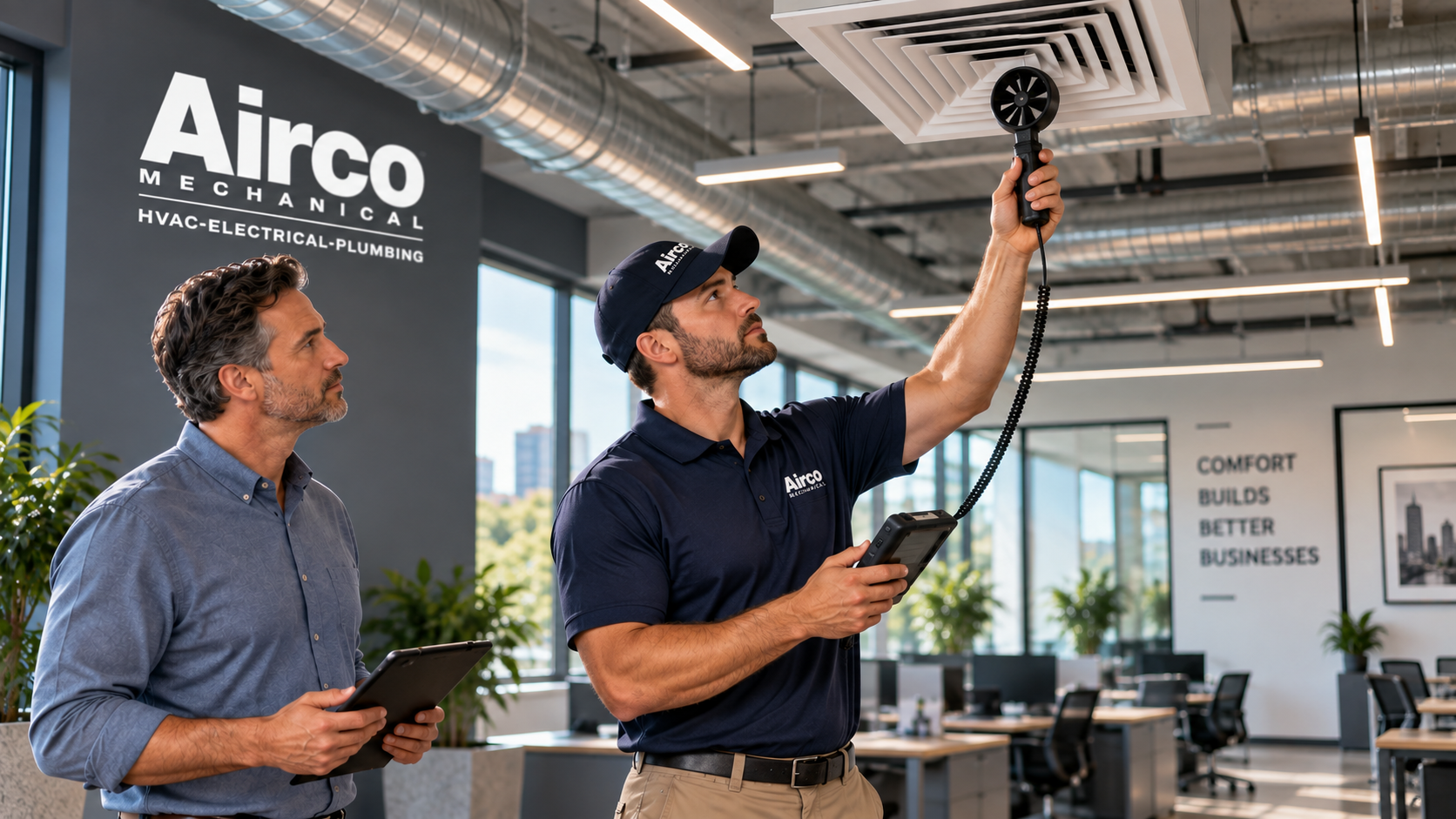
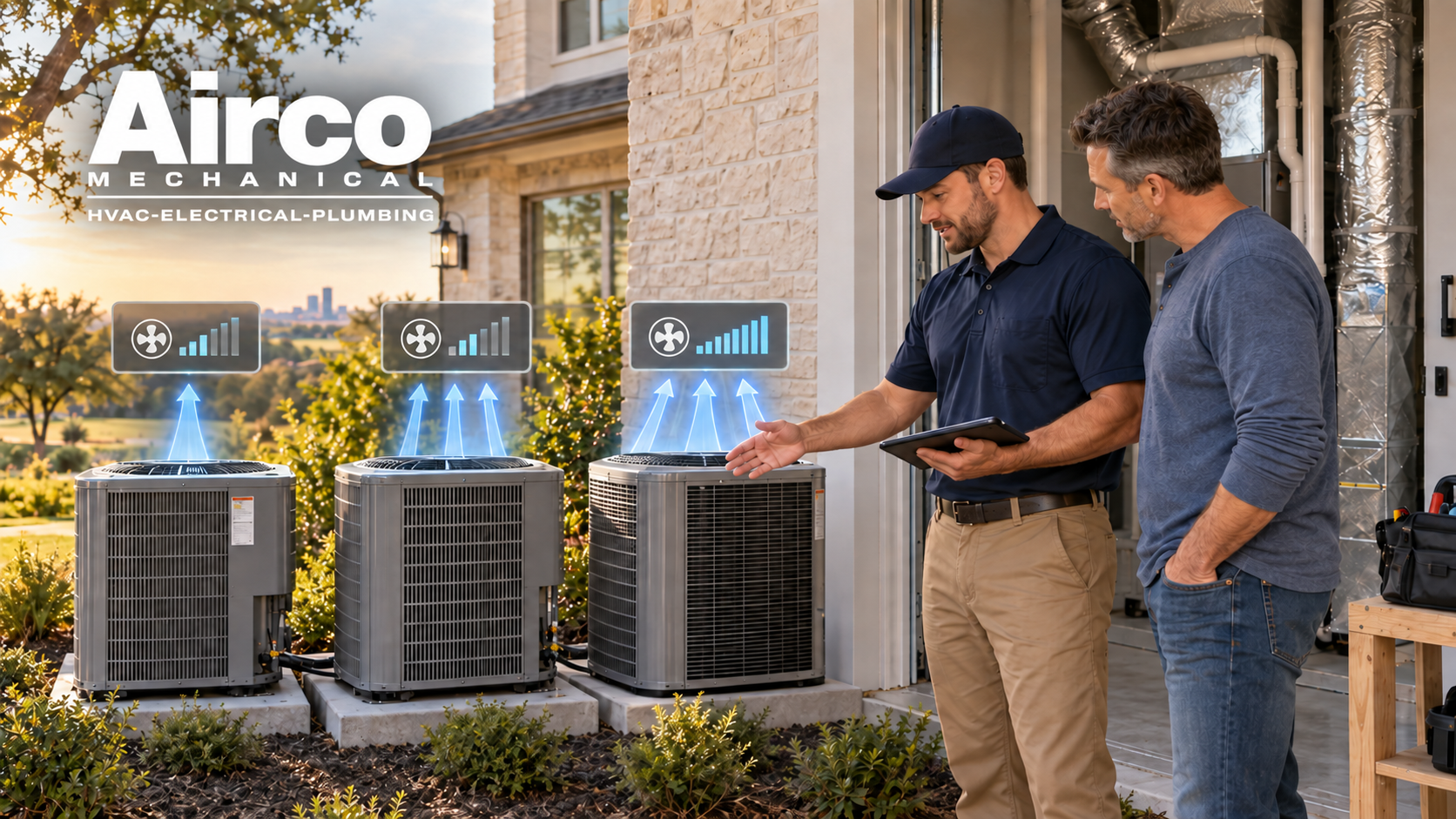
Single Stage vs Two Stage vs Variable Speed HVAC is an important comparison for homeowners looking to improve comfort, reduce energy costs, and choose the right heating and cooling system for their property. While all HVAC systems provide temperature control, they operate differently based on compressor technology and airflow management. Understanding these differences helps homeowners select a system that matches their comfort needs, budget, and energy efficiency goals. Choosing the right equipment, such as options discussed in Most dependable HVAC units heat pump – 7 best picks, can significantly improve long-term HVAC performance and reliability.
What Are HVAC Stages and Speed Technology?
HVAC stages and speed technology describe how an HVAC system adjusts its heating and cooling output based on indoor temperature requirements.
Traditional HVAC systems operate at fixed capacity, while advanced systems can adjust their output depending on demand.
The three main types include:
- Single-stage HVAC systems
- Two-stage HVAC systems
- Variable-speed HVAC systems
Each technology offers different levels of efficiency, comfort control, and operating performance.
How HVAC Systems Control Temperature
HVAC systems maintain indoor comfort by adjusting cooling or heating output.
The basic process includes:
- Thermostat detects indoor temperature changes
- HVAC system activates heating or cooling
- Compressor and blower adjust output
- Conditioned air circulates through the home
- System cycles based on comfort requirements
The difference between these systems is how much control they have over their output.
Single Stage HVAC Systems Explained
A single-stage HVAC system operates at one fixed capacity.
When the system turns on, it runs at 100% capacity until the desired temperature is reached.
How Single Stage Systems Work
Single-stage systems have two basic operating modes:
- ON
- OFF
The compressor does not adjust its output based on changing conditions.
Benefits of Single Stage HVAC Systems
Single-stage systems offer:
- Lower upfront cost
- Simple operation
- Easier repairs
- Reliable performance
They are often suitable for homeowners who prioritize affordability.
Limitations of Single Stage HVAC Systems
However, single-stage systems have some disadvantages:
- Higher energy consumption
- More temperature fluctuations
- Less humidity control
- More frequent cycling
Because they operate at full capacity every time, they may use more energy than advanced systems.
Two Stage HVAC Systems Explained
Two-stage HVAC systems provide two levels of operation:
- Low capacity
- High capacity
The system automatically chooses the appropriate output depending on demand.
How Two Stage HVAC Systems Work
During mild weather:
- System operates at lower capacity
- Uses less energy
- Maintains steady temperatures
During extreme temperatures:
- System switches to higher capacity
- Provides additional heating or cooling
Benefits of Two Stage HVAC Systems
Two-stage systems provide:
Improved Comfort
They maintain more consistent indoor temperatures.
Better Energy Efficiency
The system spends more time operating at lower capacity.
Improved Humidity Control
Longer cycles remove more moisture from indoor air.
Reduced Wear
Less frequent full-power operation extends equipment lifespan.
Variable Speed HVAC Systems Explained
Variable-speed HVAC systems are the most advanced option available.
Unlike single-stage and two-stage systems, variable-speed systems can operate at multiple capacity levels.
The system continuously adjusts output based on real-time comfort requirements.
Single Stage vs Two Stage vs Variable Speed HVAC: Complete Comparison
| Feature | Single Stage | Two Stage | Variable Speed |
|---|---|---|---|
| Operation | One speed | Two levels | Multiple speeds |
| Energy Efficiency | Standard | Improved | Highest |
| Comfort Control | Basic | Better | Excellent |
| Humidity Control | Limited | Improved | Superior |
| Noise Level | Higher | Moderate | Lowest |
| Upfront Cost | Lowest | Medium | Highest |
| Maintenance Complexity | Simple | Moderate | Advanced |
Energy Efficiency Comparison
Energy efficiency is one of the biggest differences between these HVAC technologies.
Single Stage Efficiency
Single-stage systems consume more energy because they always operate at maximum capacity.
Two Stage Efficiency
Two-stage systems save energy by operating at lower capacity during normal conditions.
Variable Speed Efficiency
Variable-speed systems provide the highest efficiency because they continuously adjust output.
According to the U.S. Department of Energy:
https://www.energy.gov/energysaver/heating-and-cooling
efficient HVAC equipment and proper operation can reduce energy consumption and improve system performance.
Comfort Comparison Between HVAC Technologies
Comfort depends on how well a system maintains consistent indoor conditions.
| Comfort Feature | Single Stage | Two Stage | Variable Speed |
|---|---|---|---|
| Temperature Stability | Average | Good | Excellent |
| Airflow Control | Limited | Better | Advanced |
| Noise Reduction | Limited | Moderate | Excellent |
| Humidity Management | Basic | Improved | Superior |
Cost Comparison: Single Stage vs Two Stage vs Variable Speed HVAC
| System Type | Installation Cost | Long-Term Savings |
|---|---|---|
| Single Stage | Lowest | Lower |
| Two Stage | Medium | Moderate |
| Variable Speed | Highest | Highest |
Although variable-speed systems cost more initially, they often provide better long-term value through improved efficiency.
Which HVAC System Is Best for Texas Homes?
Texas homeowners experience:
- Long cooling seasons
- Extreme summer temperatures
- High air conditioning demand
For many Texas homes:
Single Stage
Best for:
- Budget-focused homeowners
- Smaller properties
- Limited HVAC usage
Two Stage
Best for:
- Average-sized homes
- Better comfort needs
- Improved efficiency goals
Variable Speed
Best for:
- Maximum comfort
- Energy savings
- Larger homes
- Smart home integration
How HVAC Installation Affects System Performance
Even the best HVAC technology will not perform properly without correct installation.
Installation factors include:
- Proper system sizing
- Correct airflow setup
- Ductwork quality
- Refrigerant levels
- Thermostat configuration
A professional HVAC system installation process ensures your selected system operates efficiently and reliably.
Maintenance Requirements by HVAC Type
| System Type | Maintenance Needs |
|---|---|
| Single Stage | Basic maintenance |
| Two Stage | Regular professional maintenance |
| Variable Speed | Advanced inspections and servicing |
All HVAC systems require:
- Filter replacement
- Coil cleaning
- Airflow inspection
- Seasonal maintenance
Common Mistakes When Choosing HVAC Technology
Homeowners often make mistakes such as:
- Choosing only based on upfront price
- Installing the wrong system size
- Ignoring long-term energy costs
- Not considering comfort requirements
The cheapest option is not always the most cost-effective choice.
How to Choose Between Single Stage, Two Stage, and Variable Speed HVAC
Consider:
Your Budget
Single-stage systems have lower upfront costs.
Your Comfort Goals
Variable-speed systems provide the highest comfort control.
Your Home Size
Larger homes often benefit from advanced systems.
Your Energy Goals
Higher-efficiency systems provide greater long-term savings.
Conclusion
Choosing between Single Stage vs Two Stage vs Variable Speed HVAC depends on your comfort requirements, budget, energy goals, and property needs. Single-stage systems provide affordable and reliable performance, while two-stage systems offer improved efficiency and comfort. Variable-speed systems provide the highest level of temperature control, energy savings, and indoor comfort.
For homeowners looking for long-term value, investing in advanced HVAC technology can provide significant benefits through improved efficiency, lower operating costs, and better comfort.
Call-to-Action
Need help choosing the right HVAC system for your home? Contact Airco Mechanical today for expert recommendations, professional installation, and energy-efficient HVAC solutions designed around your comfort needs.
FAQs
What is the difference between single-stage and two-stage HVAC?
Single-stage systems operate at one capacity, while two-stage systems have low and high operating levels.
Is variable-speed HVAC worth the extra cost?
Yes, variable-speed systems provide better efficiency, comfort, and humidity control.
Which HVAC system saves the most energy?
Variable-speed HVAC systems typically provide the highest energy savings.
Are two-stage systems better than single-stage systems?
Yes, two-stage systems offer improved efficiency and comfort compared to single-stage models.
What HVAC system is best for Texas?
Two-stage and variable-speed systems are often better suited for Texas climates due to extreme temperatures.