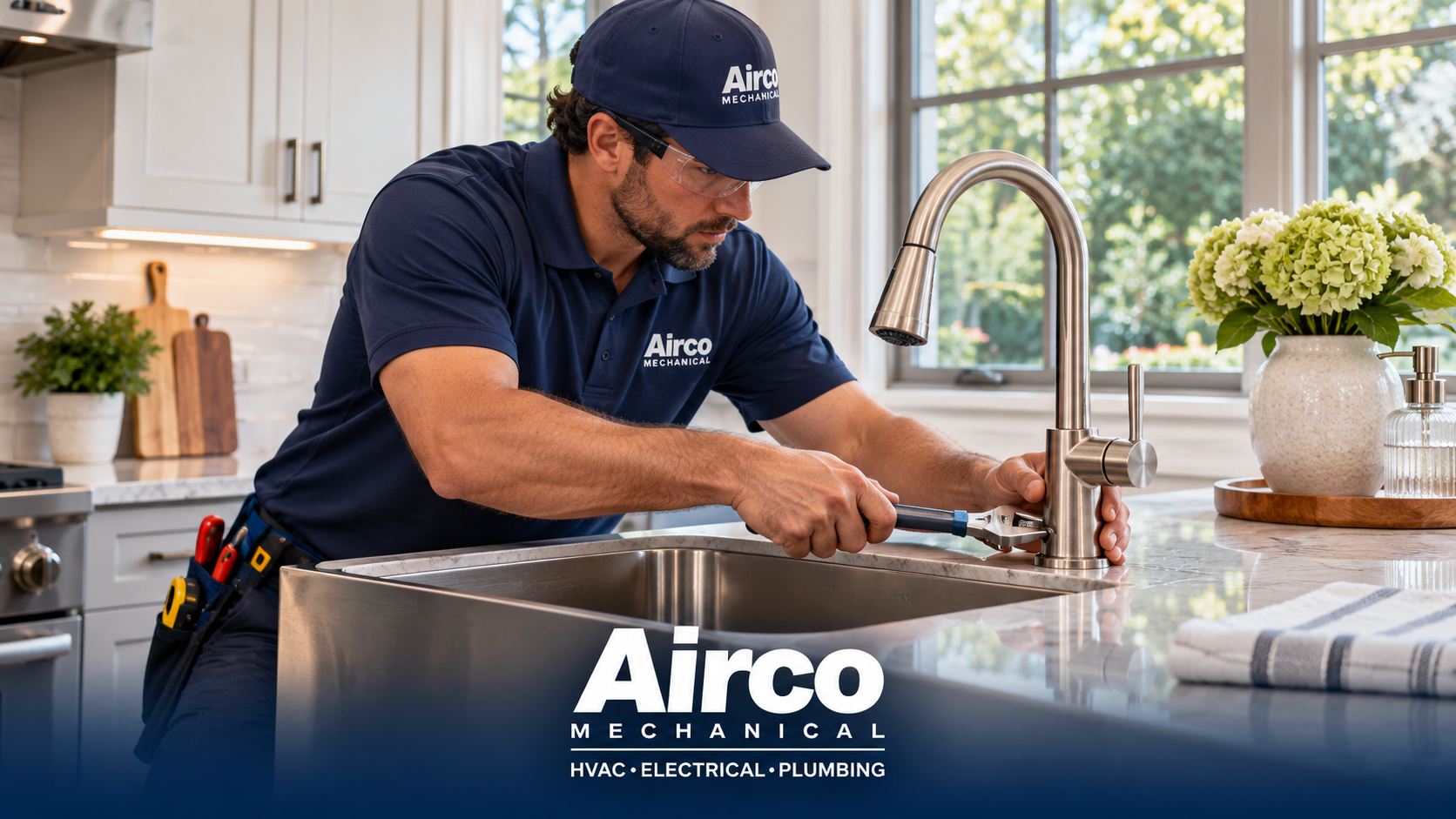
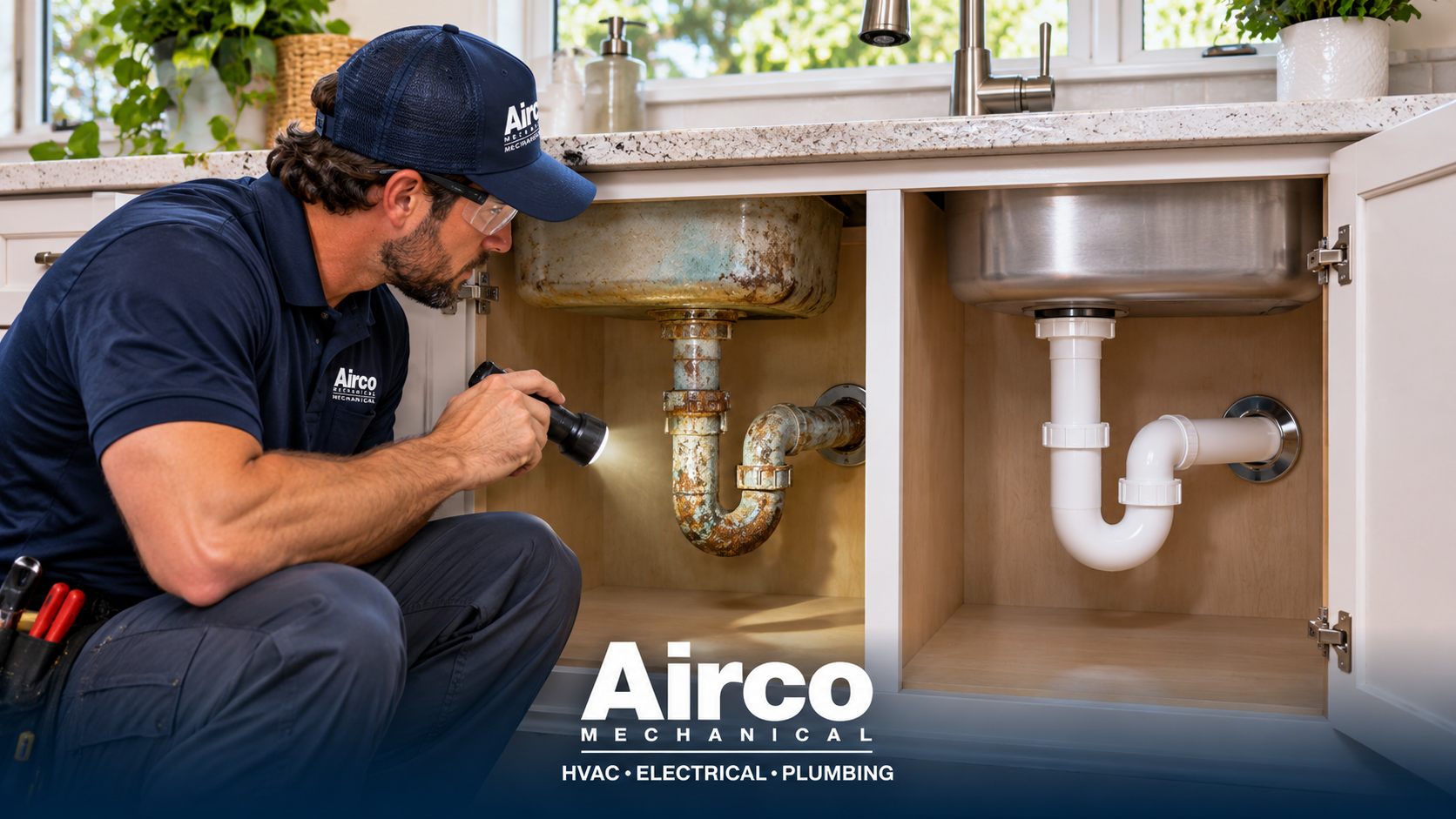
Deciding between plumbing repair vs. replacement depends on the condition of your plumbing system, the extent of the damage, repair costs, and how long the existing components are expected to last. Minor leaks, worn faucet parts, and isolated pipe damage can often be repaired without replacing the entire fixture or plumbing line. However, recurring leaks, extensive corrosion, deteriorating pipes, and aging equipment may make replacement a better long-term investment. Homeowners can use professional general plumbing services to identify the cause of a problem and determine whether repairing or replacing the affected components makes the most sense.
Choosing the right solution helps protect your home, control maintenance expenses, and avoid unnecessary plumbing work. Whether you are dealing with kitchen fixtures, bathroom plumbing, water supply pipes, or aging equipment, a professional inspection can help you understand your options. Airco Mechanical provides residential plumbing repairs, installations, replacements, and maintenance for homeowners in Austin, Round Rock, and surrounding Central Texas communities.
Understanding the Difference Between Plumbing Repair and Replacement
Plumbing repair involves fixing an existing component so it can continue functioning properly. The work might include replacing a worn seal, repairing a leaking connection, clearing a drain blockage, or correcting a damaged section of pipe.
Plumbing replacement involves removing an existing component and installing a new one. Depending on the problem, this could mean replacing a faucet, toilet, water heater, supply line, damaged drain section, or a larger portion of the home’s plumbing system.
The key difference is the extent of the work and the expected condition of the plumbing after service.
For example, replacing a faucet cartridge is a repair because the original faucet remains installed. Installing an entirely new faucet is a replacement. Similarly, repairing one accessible section of damaged pipe is different from replacing a deteriorating water supply system throughout the home.
Neither option is automatically better. The correct decision depends on the damage, the system’s condition, and the likely cost of future problems.
When Is Plumbing Repair the Better Option?
Plumbing repair is often appropriate when the damage is limited to one component and the surrounding system remains in good condition.
A leaking faucet may need a new washer, cartridge, or internal seal. A running toilet might need a replacement flapper or fill valve. A loose pipe connection may be repairable without replacing the full plumbing line.
In these situations, the repair can restore normal operation without unnecessary replacement costs.
Minor Leaks and Fixture Problems
Small fixture leaks are among the plumbing problems that may be corrected through targeted repairs.
The Environmental Protection Agency’s WaterSense Fix a Leak Week guidance explains that worn toilet flappers, dripping faucets, and leaking valves are common sources of household water waste. Many can be corrected by replacing individual components rather than the entire fixture.
However, the underlying condition should still be evaluated. A faucet with severe corrosion or repeated internal failures may no longer be a good candidate for repair.
Isolated Pipe Damage
A damaged section of pipe does not always mean the home needs complete repiping.
If the problem is limited to one accessible section and the remaining pipe is in good condition, a plumber may be able to replace or repair the affected portion.
Before recommending a localized repair, the technician should consider the pipe material, surrounding connections, visible corrosion, and whether similar failures have occurred elsewhere.
An isolated repair is more likely to provide lasting value when the problem does not indicate broader deterioration.
Drainage Problems That Do Not Require Pipe Replacement
Slow drains and recurring blockages sometimes make homeowners worry about replacing their sewer or drainage system.
However, not every drainage issue involves damaged piping.
Grease accumulation, soap residue, hair, and other debris can restrict drainage without requiring pipe replacement. Professional drain cleaning may restore proper flow when the underlying pipe remains structurally sound.
If the problem continues after cleaning, additional inspection may be needed to check for root intrusion, pipe displacement, or structural damage.
When Should Plumbing Be Replaced Instead of Repaired?
Replacement becomes more practical when repairing an existing component would not address the underlying problem or provide reliable long-term performance.
Extensive pipe corrosion, repeated leaks, major fixture damage, and aging equipment can make ongoing repairs less economical.
Repeated Plumbing Failures
Recurring problems are an important factor in the plumbing repair vs. replacement decision.
A homeowner might repair a leaking pipe connection only to experience another leak nearby a few months later. If different sections of the same plumbing system continue failing, individual repairs may provide only temporary relief.
In that situation, replacing a larger section of piping may reduce the need for repeated service visits.
The decision should be based on inspection findings rather than assuming every recurring problem requires complete replacement.
Corroded or Deteriorating Pipes
Water supply pipes can deteriorate because of age, corrosion, water chemistry, installation conditions, or other factors.
Visible corrosion, frequent leaks, restricted water flow, and deteriorating connections can suggest that a broader evaluation is needed.
For some older homes, partial or whole-home repiping may provide a more reliable solution than continuing to repair multiple weak sections.
However, pipe age alone does not establish that replacement is necessary. A plumber should evaluate the actual condition of the system.
Damaged Plumbing Fixtures
Some plumbing fixtures are no longer worth repairing because of structural damage or repeated component failure.
A cracked toilet bowl or tank, severely corroded faucet, or badly damaged sink may need replacement rather than a temporary repair.
Replacement can also be worthwhile when homeowners want improved functionality, better water efficiency, or fixtures that suit an upcoming renovation.
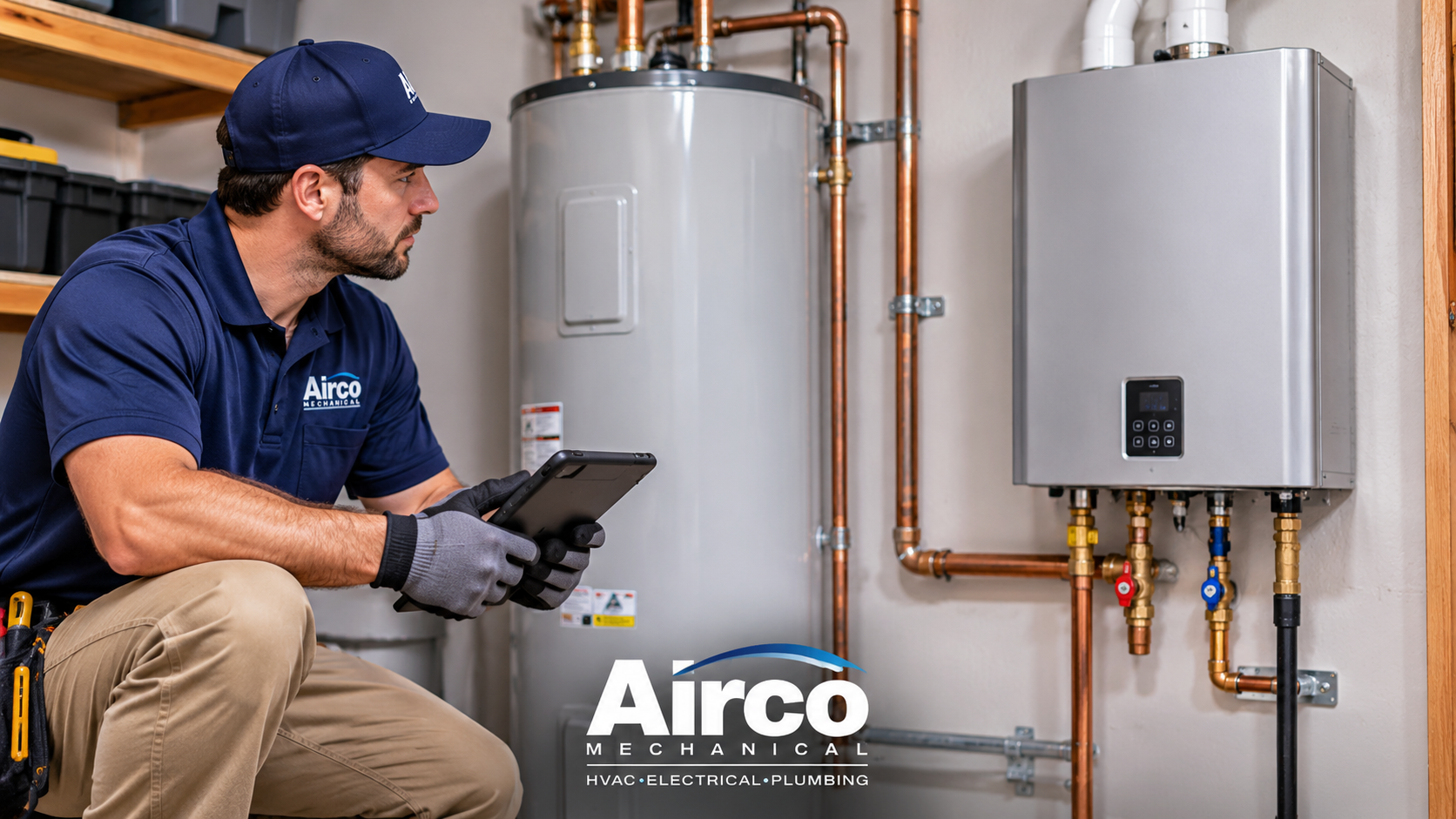
Aging Water Heaters
Water heaters are another common example of choosing between repair and replacement.
A faulty thermostat, heating element, or other serviceable component may be repairable when the tank itself is in good condition.
However, a leaking storage tank or substantial internal deterioration can make replacement necessary.
The type of water heater, its age, maintenance history, repair cost, and warranty coverage should all be considered before deciding.
Plumbing Repair vs. Replacement: Comparing Your Options
The following table explains how homeowners can evaluate common plumbing problems.
| Plumbing Problem | When Repair May Be Suitable | When Replacement May Be Better |
|---|---|---|
| Leaking faucet | Worn cartridge, washer, or seal | Severe corrosion or repeated internal failure |
| Running toilet | Faulty flapper or fill valve | Cracked tank or significant fixture damage |
| Leaking water pipe | Isolated damage in otherwise sound piping | Extensive corrosion or recurring leaks |
| Low water pressure | Localized valve, fixture, or regulator issue | Widespread pipe deterioration restricting flow |
| Slow drainage | Debris or removable blockage | Collapsed, extensively damaged, or severely deteriorated pipe |
| Water heater problem | Serviceable electrical or mechanical component | Leaking storage tank or major deterioration |
| Shower valve problem | Replaceable internal cartridge | Damaged valve body or inaccessible deteriorated assembly |
The best decision should consider both the immediate repair and the expected reliability of the system afterward.
How Plumbing Repair and Replacement Costs Compare
Cost is one of the main concerns homeowners have when choosing between repair and replacement.
A repair usually has a lower initial cost because it involves fewer materials and less installation work. However, a lower initial price does not always mean the repair will be less expensive over time.
For example, repairing one leaking pipe connection may be a sensible choice when the remaining piping is sound. If several sections of the same aging system have already failed, repeated repairs can become costly.
Replacement typically involves a larger upfront investment, but it may reduce recurring repair expenses when the existing plumbing is substantially deteriorated.
What Determines the Final Cost?
Plumbing costs depend on several conditions, including the type of fixture or system, accessibility, materials, labor, and the extent of work.
A sink supply line beneath an accessible cabinet may be relatively straightforward to replace. A damaged water line inside a finished wall or beneath a concrete slab may require additional diagnostic and restoration work.
Homeowners should also consider whether replacement will involve modifying existing plumbing connections, installing new valves, or bringing affected work into compliance with applicable requirements.
For a useful comparison, ask for the expected repair cost, replacement cost, and condition of the surrounding system.
Should You Repair or Replace Kitchen Plumbing?
Kitchen plumbing experiences regular use through sinks, faucets, dishwashers, garbage disposals, and water supply connections.
Many kitchen plumbing problems involve individual components that can be repaired without replacing the complete system.
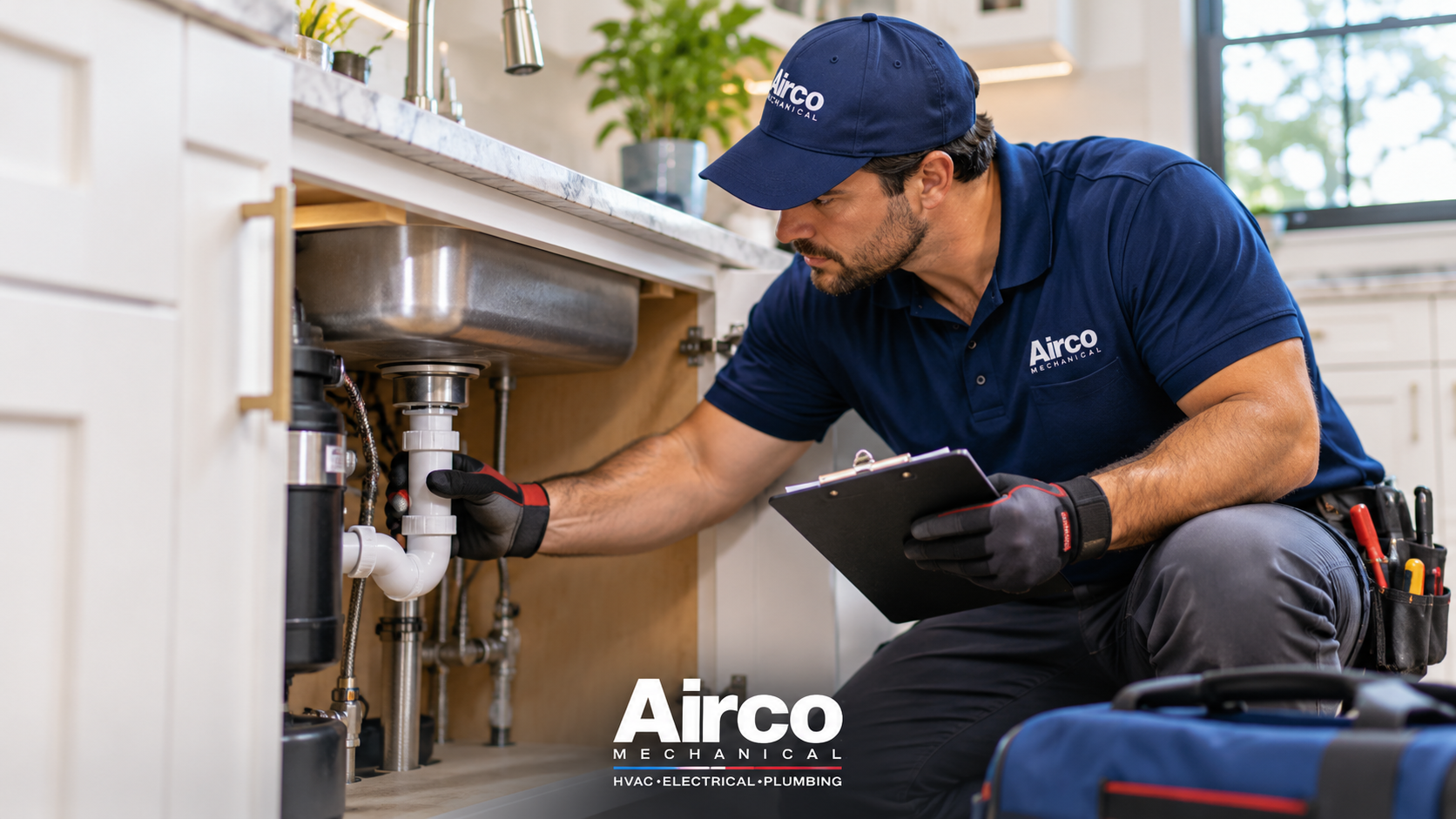
A dripping faucet may only need an internal component replaced. A leaking connection beneath the sink might require a new fitting or supply line. A blocked sink drain may need professional cleaning.
Replacement becomes more appropriate when fixtures are badly damaged, corrosion is extensive, or new kitchen equipment requires different plumbing connections.
Homeowners planning a kitchen remodel should also think about whether to replace aging supply lines and shutoff valves while the work area is already accessible.
This is especially important when installing a new sink, dishwasher, faucet, or garbage disposal. Matching the plumbing system to the new fixtures helps avoid additional work after the renovation is complete.
Should You Repair or Replace Bathroom Plumbing?
Bathroom plumbing includes toilets, sinks, showers, bathtubs, faucets, supply valves, and drainage connections.
The right decision depends on whether the problem affects a replaceable component or the main fixture.
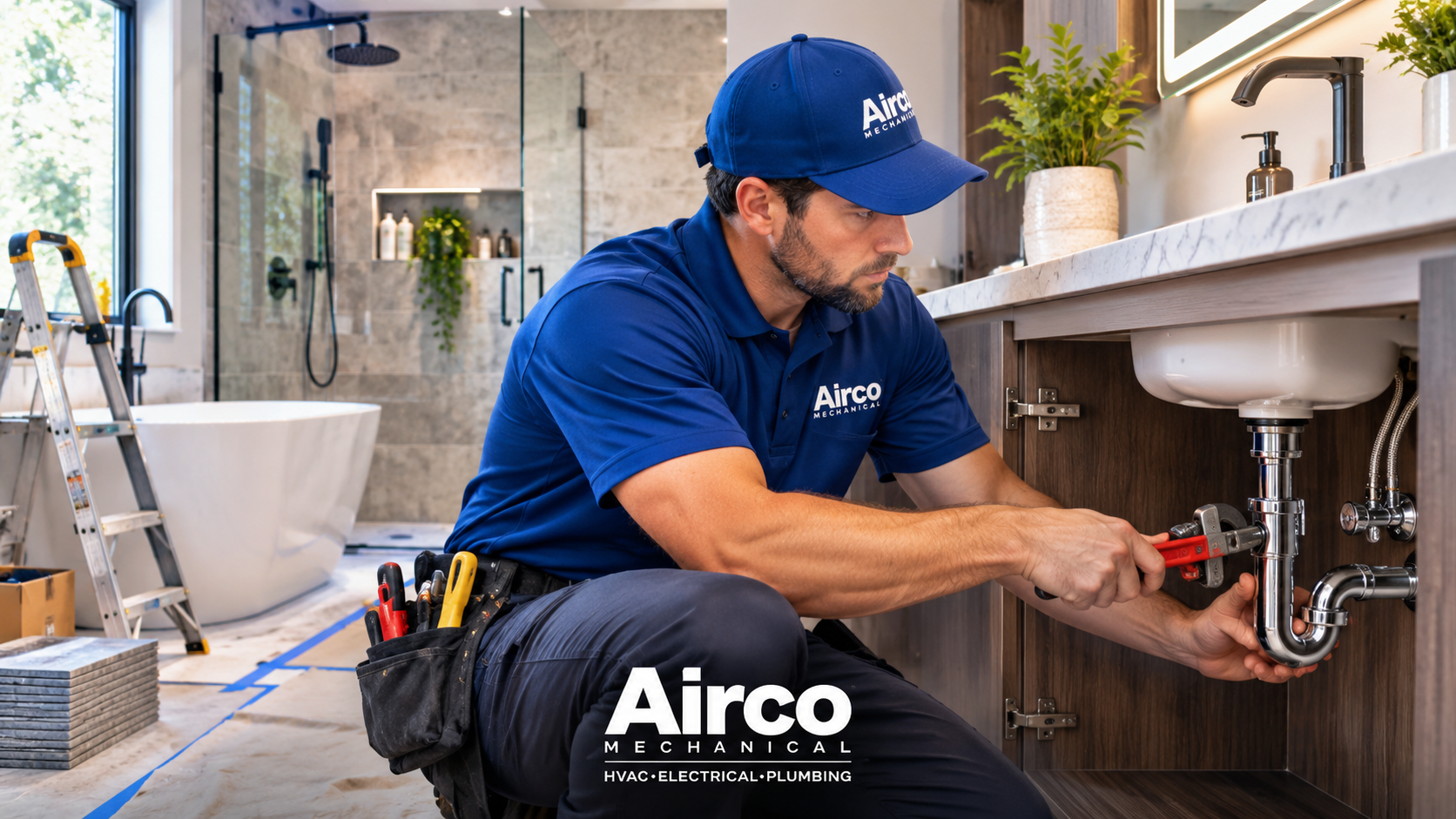
For example, a toilet that runs continuously may only need a new flapper or fill valve. A shower that drips after being turned off may require cartridge or valve service.
However, a cracked toilet tank or an extensively damaged shower valve assembly may require replacement.
Bathroom renovations can also create opportunities to update older fixtures, improve access to plumbing connections, and correct installation problems.
Before purchasing new fixtures, homeowners should check their plumbing layout, drain locations, available space, and existing connections to avoid compatibility issues.
When Does Whole-Home Repiping Make Sense?
Whole-home repiping involves replacing a substantial portion or all of a home’s water supply piping.
It is generally considered when the plumbing system has widespread deterioration that cannot be addressed economically through isolated repairs.
Frequent leaks in different locations, extensive corrosion, repeated failures, and evidence of system-wide pipe deterioration can all justify a professional repiping assessment.
However, homeowners should not assume that low water pressure or discolored water automatically means complete repiping is required. These symptoms can have several possible causes.
A plumber should inspect the piping, assess the extent of damage, and determine whether localized repairs, partial repiping, or full replacement is appropriate.
Airco Mechanical’s residential plumbing services include pipe repair, replacement, and repiping evaluations for homeowners considering these options.
How Do You Know Whether a Plumbing Repair Will Last?
The expected durability of a repair is another important consideration.
A repair is more likely to provide reliable results when the cause is clearly identified, the surrounding components remain sound, and the replacement parts are suitable for the existing plumbing.
For example, replacing a worn toilet flapper is generally a straightforward maintenance repair. In contrast, patching repeated leaks in severely corroded piping may not provide the same level of reliability.
Homeowners should ask whether the repair addresses the underlying cause or only the immediate symptom.
It is also reasonable to discuss the condition of nearby plumbing components, expected future maintenance, and whether additional failures are likely.
These conversations can help homeowners make decisions based on long-term value rather than the initial service price alone.
How Plumbing Maintenance Helps Avoid Unnecessary Replacement
Regular maintenance can help homeowners identify problems early and extend the useful life of serviceable plumbing components.
A minor leak can sometimes be corrected before it damages surrounding cabinetry, flooring, or walls. Likewise, checking supply connections and shutoff valves may reveal developing issues before they cause major disruption.
The EPA’s WaterSense home maintenance guidance recommends checking for household leaks, monitoring fixtures, and addressing problems promptly to reduce water waste and property damage.
A practical maintenance approach includes reviewing visible plumbing connections, inspecting fixture operation, monitoring changes in water pressure, and investigating recurring drainage problems.
Homeowners should also pay attention to water heater performance and the condition of accessible piping.
Professional maintenance is especially useful when a home has aging plumbing or a history of repeated repairs.
What to Ask Before Buying Replacement Plumbing Fixtures
When replacement is the better option, choosing the right fixture or plumbing component is just as important as deciding to replace it.
A new faucet, toilet, sink, or water heater should match the home’s plumbing requirements and household needs.
Consider Compatibility Before Purchasing
| Purchase Consideration | Why It Matters |
|---|---|
| Fixture dimensions | Must fit the available installation space |
| Existing connections | May affect installation complexity |
| Water efficiency | Can influence ongoing water consumption |
| Material quality | Affects durability and maintenance |
| Replacement parts | Availability can affect future repairs |
| Warranty coverage | May help manage future product issues |
| Installation requirements | Can affect the total replacement cost |
Homeowners should compare more than product price.
A low-cost fixture that requires extensive plumbing modifications may not be the most economical choice. Similarly, purchasing equipment without checking existing pipe connections can lead to unexpected installation expenses.
Professional advice before purchasing can help homeowners choose products suited to their plumbing system.
Why a Professional Plumbing Inspection Matters
A proper diagnosis is essential before deciding between plumbing repair and replacement.
Some plumbing symptoms can have several possible causes. Low water pressure, for example, may result from a fixture restriction, valve issue, pressure regulator problem, supply piping condition, or another water-system concern.
Replacing pipes without identifying the actual cause may not solve the problem.
A plumbing inspection can help determine the source of damage, the condition of affected components, and whether the system is suitable for repair.
The inspection may also reveal related issues that should be considered before work begins.
Homeowners can then compare the available options with a clearer understanding of the expected cost, disruption, and long-term reliability.
Choosing Airco Mechanical for Plumbing Repairs and Replacements
Airco Mechanical provides residential plumbing services for homeowners dealing with plumbing problems, fixture replacements, renovation projects, and ongoing maintenance needs.
The company’s services include kitchen and bathroom plumbing, drain and sewer work, water heaters, plumbing installation, pipe replacement, repiping, and repair services.
For homeowners in Austin, Round Rock, and surrounding Central Texas communities, Airco Mechanical can help assess plumbing concerns and discuss appropriate repair or replacement options.
Whether you need an existing plumbing component repaired or are considering a larger plumbing upgrade, choosing a solution based on your home’s actual condition is an important part of protecting your investment.
Conclusion
Choosing between plumbing repair vs. replacement requires understanding the cause of the problem, the condition of existing components, and the long-term costs of each option.
Minor leaks, worn fixture parts, and isolated damage can often be repaired. However, recurring failures, extensive corrosion, severely damaged fixtures, and deteriorating plumbing systems may make replacement a more practical investment.
Homeowners should consider repair costs, future maintenance, fixture compatibility, and expected reliability before approving major plumbing work.
If you are unsure whether your plumbing system should be repaired or replaced, contact Airco Mechanical for professional residential plumbing services. Call (512) 537-1234 or visit the Airco Mechanical website to discuss your plumbing needs and request service.
Frequently Asked Questions
Is it cheaper to repair or replace plumbing?
Repair is usually less expensive initially when damage is isolated. Replacement may offer better long-term value if the system has extensive deterioration or repeated failures.
When should old plumbing pipes be replaced?
Replacement should be considered when pipes have widespread corrosion, repeated leaks, or substantial deterioration. Age alone is not enough to determine whether repiping is necessary.
Can a leaking faucet be repaired without replacement?
Yes. Many faucet leaks are caused by worn cartridges, washers, or seals that can be replaced while keeping the original faucet.
How do I know if my home needs repiping?
Repeated leaks in different locations, extensive pipe deterioration, and recurring supply-line failures may indicate the need for a professional repiping assessment.
Should I repair plumbing before remodeling my home?
Existing plumbing should be inspected before remodeling. Repairs or replacements may be more practical while walls, floors, or fixture connections are already accessible.