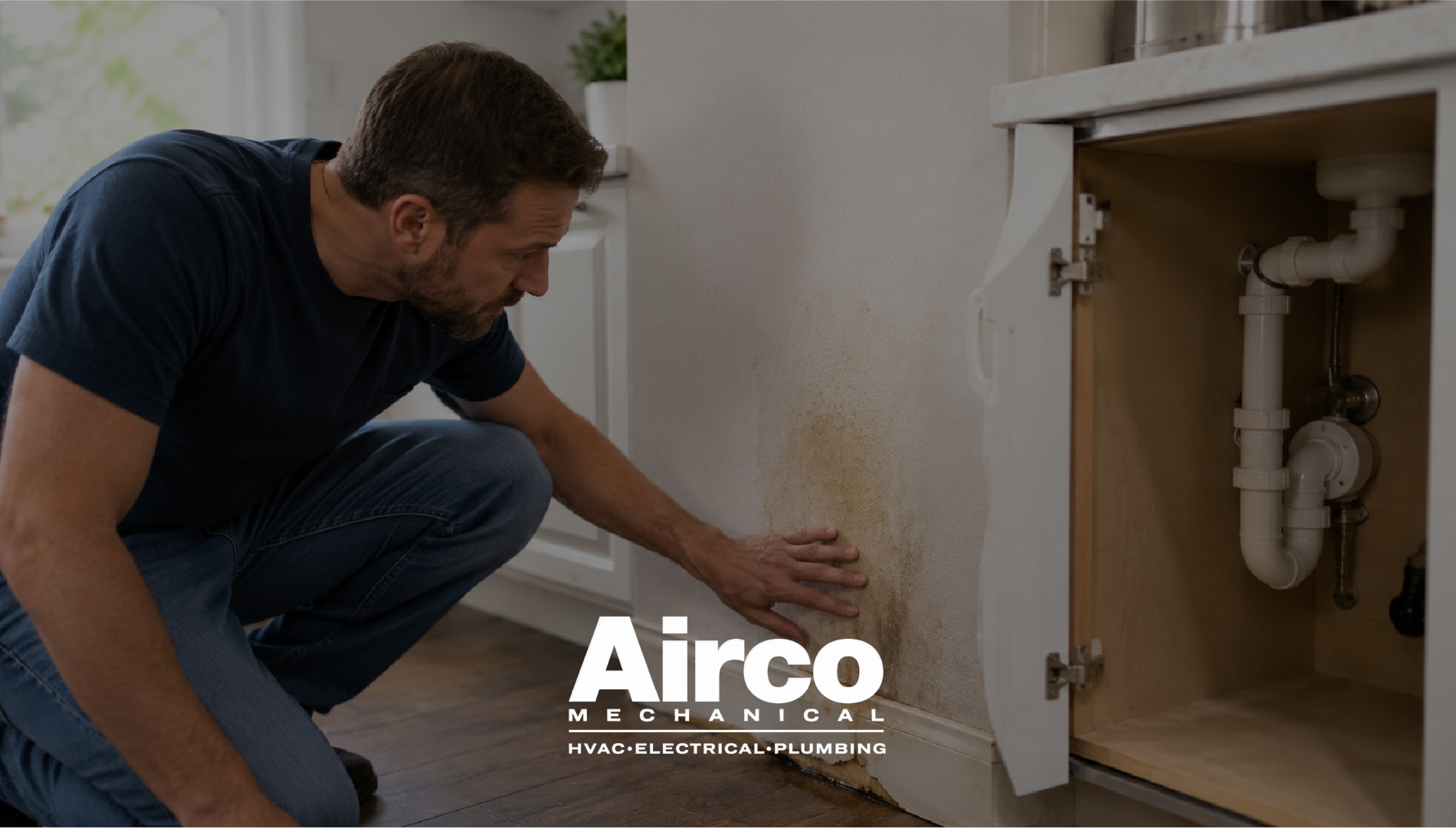
How HVAC Systems Improve Indoor Air Quality is an important topic for homeowners and businesses looking to create healthier indoor environments while maintaining energy efficiency. Modern HVAC systems do far more than heat and cool indoor spaces—they also filter airborne contaminants, regulate humidity, improve ventilation, and reduce allergens. Choosing reliable systems like Most dependable HVAC units heat pump – 7 best picks and ensuring proper maintenance can significantly improve indoor air quality, comfort, and long-term health.
What Is Indoor Air Quality? (Entity Level)
Indoor air quality (IAQ) refers to the cleanliness, safety, and overall condition of the air inside homes, offices, and commercial buildings. It is affected by pollutants, humidity levels, ventilation efficiency, airborne allergens, dust particles, bacteria, mold spores, and chemical contaminants.
Understanding How HVAC Systems Improve Indoor Air Quality begins with recognizing that indoor air can often contain more pollutants than outdoor air if ventilation and filtration systems are not functioning properly.
Key Attributes That Affect Indoor Air Quality (Attribute Level)
Several important attributes determine indoor air quality:
- Air filtration efficiency
- Ventilation performance
- Humidity control
- Airflow circulation
- Duct cleanliness
- HVAC maintenance frequency
Optimizing these attributes is essential for understanding How HVAC Systems Improve Indoor Air Quality effectively.
How HVAC Systems Improve Indoor Air Quality Through Airflow and Filtration (Process Level)
HVAC systems continuously move and condition indoor air through a structured process:
- Air is drawn into return vents
- Filters capture dust, allergens, and pollutants
- Air passes through heating or cooling components
- Ventilation systems circulate conditioned air
- Cleaned air is redistributed throughout the building
This cycle helps maintain healthier indoor air when systems are properly installed and maintained.
How HVAC Systems Improve Indoor Air Quality
1. Air Filtration Removes Pollutants
HVAC filters capture airborne particles before they circulate indoors.
Common Pollutants Removed
- Dust
- Pet dander
- Pollen
- Mold spores
- Bacteria
- Smoke particles
High-efficiency filters improve the ability of HVAC systems to clean indoor air.
2. HVAC Systems Control Humidity Levels
Excess humidity creates ideal conditions for mold and bacteria growth.
Benefits of Humidity Control
- Reduces mold growth
- Prevents excessive dryness
- Improves respiratory comfort
- Protects furniture and building materials
Balanced humidity is one of the most important ways How HVAC Systems Improve Indoor Air Quality impacts comfort and health.
3. Ventilation Improves Fresh Air Exchange
Ventilation systems replace stale indoor air with fresh outdoor air.
Ventilation Benefits
- Removes odors
- Reduces indoor pollutants
- Increases oxygen levels
- Improves overall air freshness
Proper ventilation reduces the buildup of contaminants inside buildings.
4. HVAC Systems Reduce Allergens
Modern HVAC systems help minimize allergens that trigger respiratory problems.
Allergens Reduced
- Dust mites
- Pollen
- Pet hair
- Mold spores
This is especially beneficial for individuals with allergies or asthma.
5. Air Purification Systems Improve Air Quality
Many HVAC systems now integrate air purification technologies.
Examples
- UV air purification
- HEPA filtration
- Electronic air cleaners
- Activated carbon filters
Advanced purification technologies further demonstrate How HVAC Systems Improve Indoor Air Quality.
6. Proper Airflow Prevents Stagnant Air
Balanced airflow prevents areas of poor ventilation where pollutants can accumulate.
Benefits
- More even temperature distribution
- Better pollutant removal
- Reduced moisture buildup
- Improved comfort consistency
Proper airflow design is a major part of the HVAC system installation process.
7. HVAC Maintenance Keeps Air Cleaner
Dirty HVAC systems can circulate contaminants instead of removing them.
Maintenance Tasks
- Filter replacement
- Coil cleaning
- Duct inspection
- Vent cleaning
- Drain line maintenance
Routine servicing is essential for maintaining healthy indoor air.
8. Ductwork Helps Maintain Air Quality
Clean and properly sealed ducts prevent contaminants from entering airflow systems.
Problems Caused by Dirty Ducts
- Dust accumulation
- Mold growth
- Reduced airflow
- Poor ventilation efficiency
Duct maintenance improves overall HVAC air quality performance.
9. Smart HVAC Systems Monitor Air Conditions
Modern systems use sensors and automation to improve IAQ.
Smart Features
- Air quality monitoring
- Humidity sensors
- Automated filtration control
- Ventilation scheduling
Smart HVAC systems optimize indoor air conditions continuously.
How HVAC Systems Improve Indoor Air Quality vs Poor Ventilation Systems (Comparison Level)
| Feature | Proper HVAC System | Poor Airflow/Ventilation |
|---|---|---|
| Air Filtration | Effective | Minimal |
| Humidity Control | Balanced | Excessive humidity/dryness |
| Air Freshness | Improved | Stale air |
| Pollutant Levels | Reduced | Increased |
| Comfort | Consistent | Uneven |
This comparison highlights the importance of proper HVAC design and maintenance.
Common Indoor Air Pollutants
Indoor air quality can be negatively affected by:
- Dust and dirt
- Pet dander
- Mold spores
- Volatile organic compounds (VOCs)
- Smoke particles
- Cleaning chemicals
HVAC systems help reduce exposure to these contaminants.
Energy Efficiency and Indoor Air Quality
Efficient HVAC systems improve both comfort and air cleanliness without excessive energy consumption.
According to the U.S. Environmental Protection Agency:
https://www.epa.gov/indoor-air-quality-iaq
proper ventilation and HVAC maintenance play a major role in maintaining healthy indoor air quality.
Preventing Indoor Air Quality Problems (Prevention Level)
Best Practices
- Replace filters regularly
- Schedule seasonal HVAC maintenance
- Clean ducts periodically
- Monitor humidity levels
- Upgrade outdated HVAC systems
Preventive care ensures long-term indoor air quality improvements.
Why HVAC Installation Quality Matters
Improper HVAC installation can negatively affect airflow and ventilation.
Common Installation Problems
- Poor duct design
- Incorrect system sizing
- Inadequate airflow balancing
- Weak ventilation performance
Professional installation ensures optimal air quality performance.
Conclusion
How HVAC Systems Improve Indoor Air Quality goes far beyond heating and cooling. Modern HVAC systems filter pollutants, control humidity, improve airflow, and maintain healthier indoor environments for homes and businesses. Proper installation, maintenance, and filtration upgrades can significantly improve indoor comfort and long-term well-being.
Call-to-Action
Want to improve your indoor air quality and HVAC performance? Contact Airco Mechanical today for expert HVAC installation, maintenance, and air quality solutions tailored to your home or business.
5 FAQs
1. Can HVAC systems remove allergens?
Yes, proper filtration helps reduce airborne allergens significantly.
2. How often should HVAC filters be replaced?
Typically every 1–3 months depending on usage and air quality.
3. Do HVAC systems control humidity?
Yes, they help regulate indoor moisture levels.
4. Can dirty ducts affect indoor air quality?
Yes, contaminated ducts can circulate dust and pollutants.
5. Are smart HVAC systems better for air quality?
Yes, smart systems provide better monitoring and airflow control.