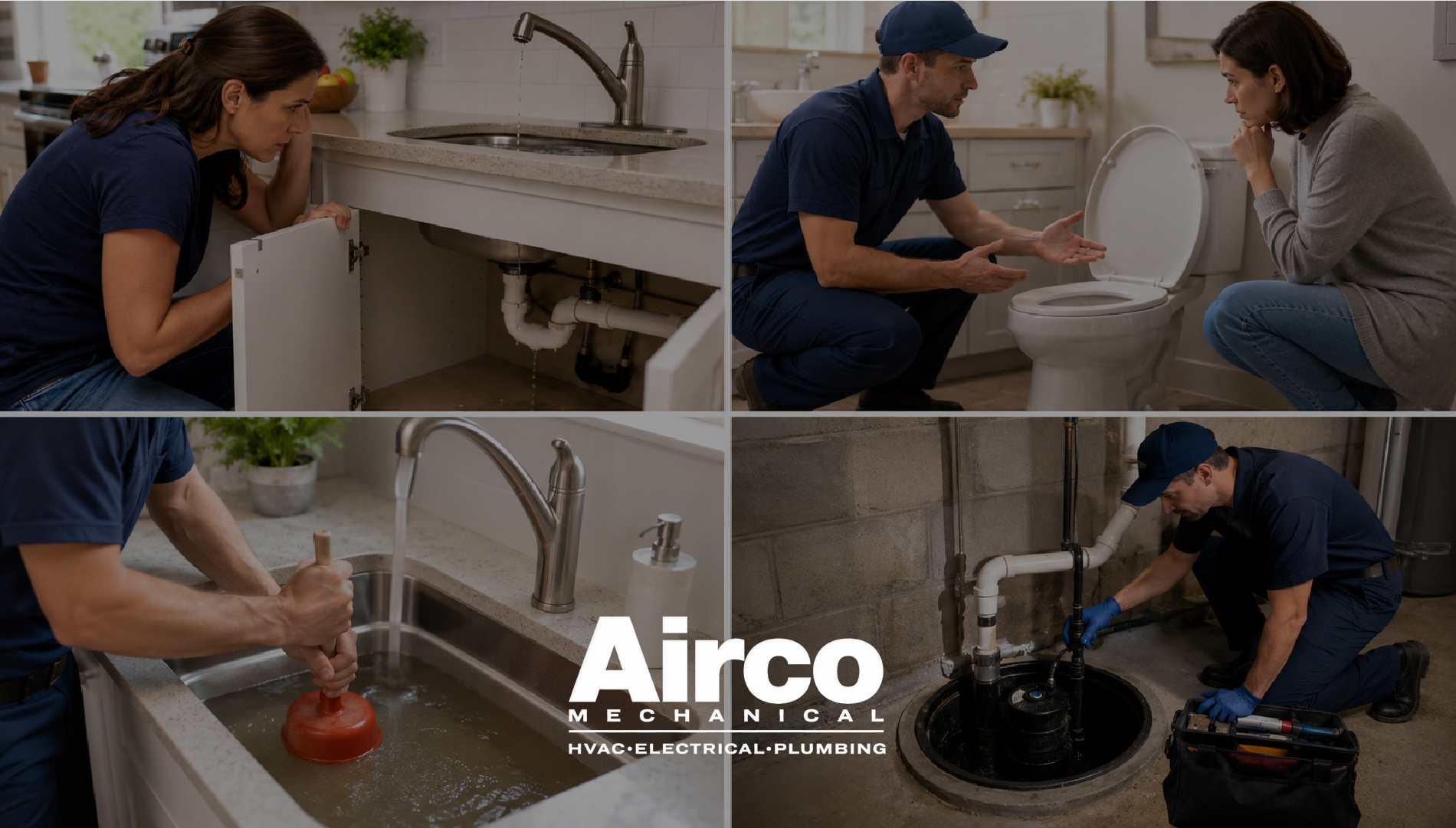
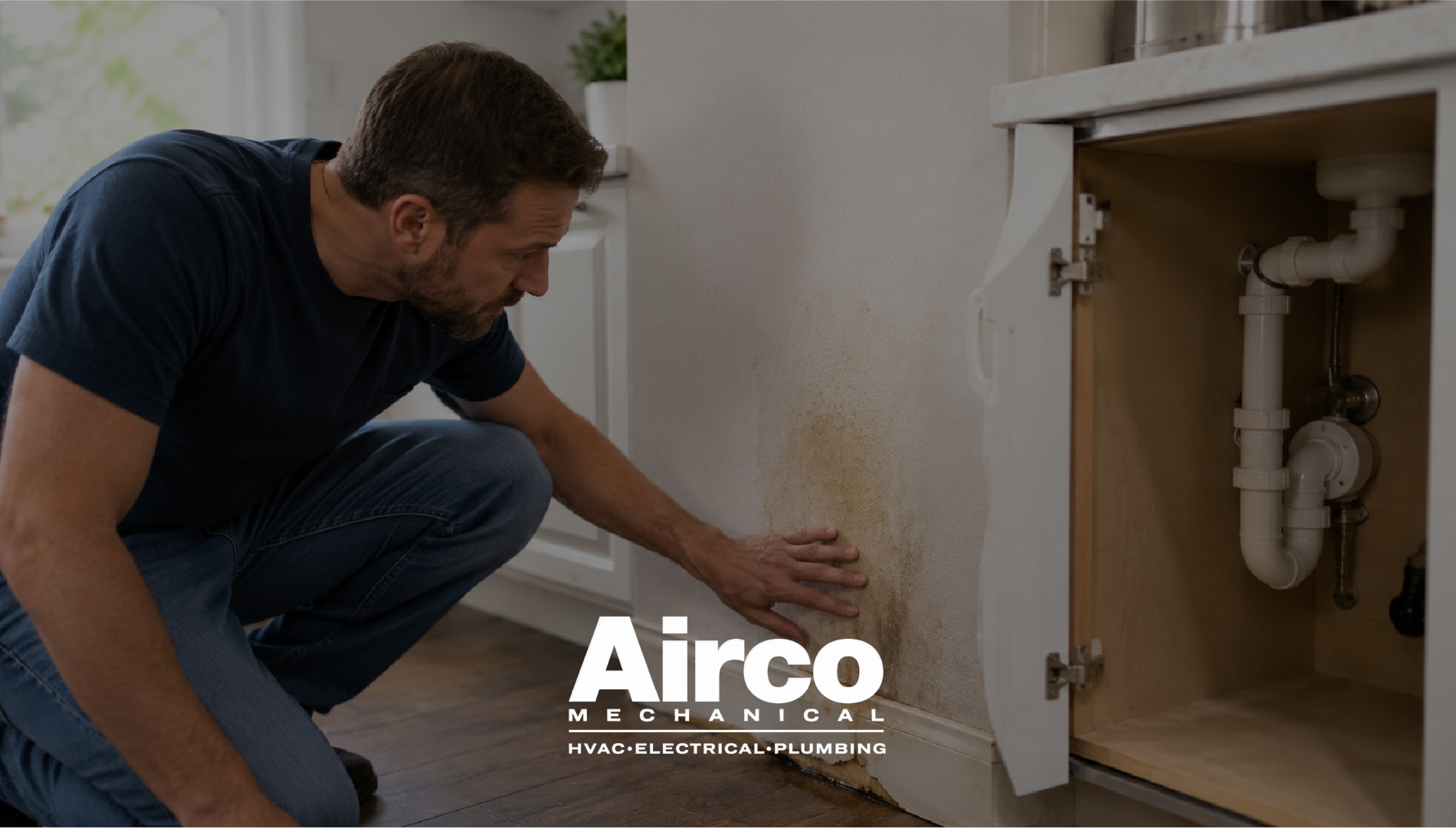
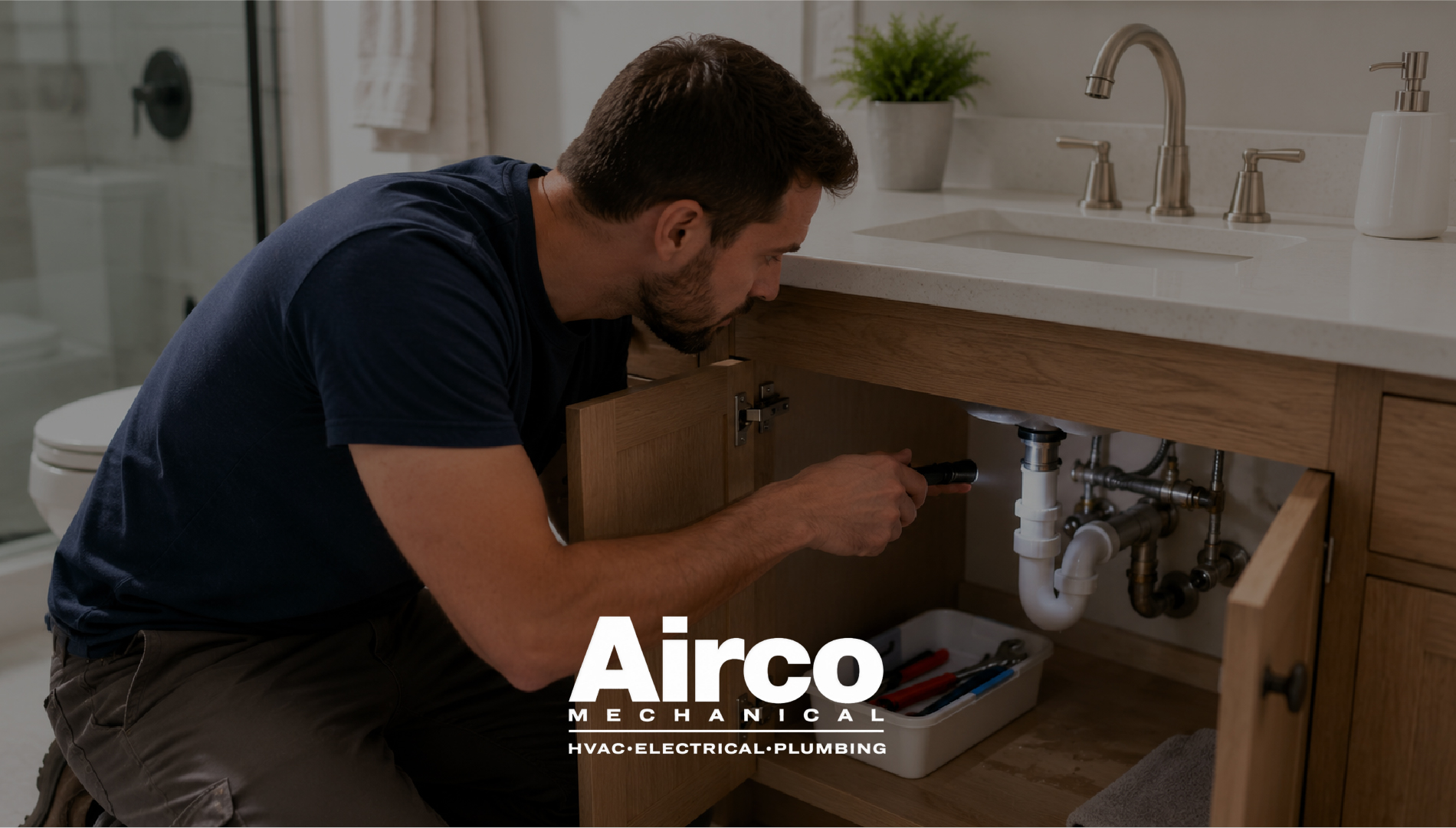
Hidden plumbing leaks are water leaks that happen behind walls, under floors, beneath cabinets, inside ceilings, near fixtures, around appliances, or below the home before they become clearly visible. Homeowners should watch for water stains, musty smells, warped flooring, low water pressure, running water sounds, unexplained water bills, and damp cabinets because these signs can point to a leak that is already damaging the property. Airco Mechanical can help homeowners diagnose leaks connected to kitchen plumbing, bathroom plumbing, drains and sewers, and sump pumps before the damage spreads.
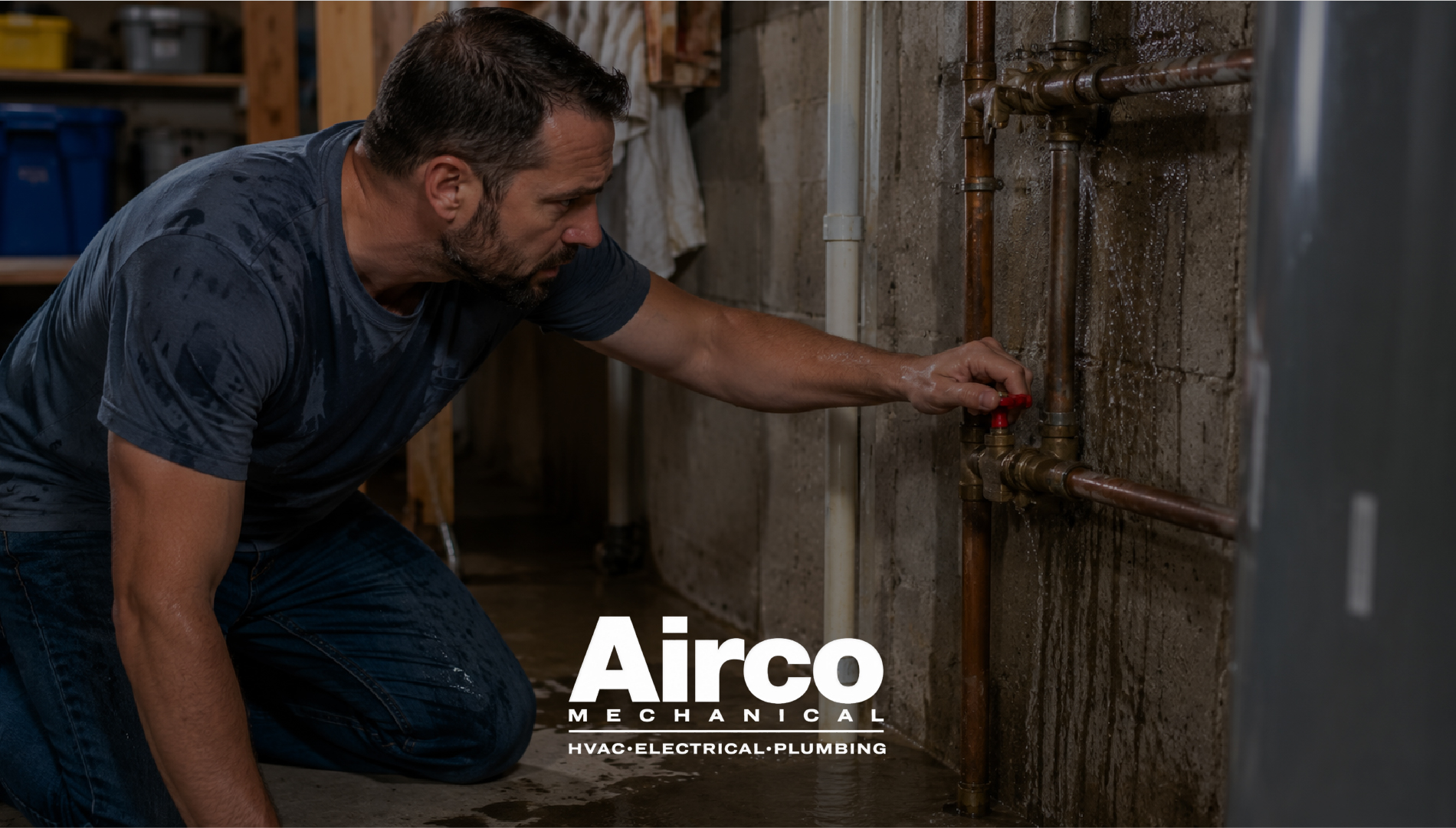
A hidden leak is dangerous because it often works silently. Water can travel through framing, drywall, flooring, insulation, cabinets, and crawl spaces before the homeowner notices a clear drip. By the time stains, odors, or soft flooring appear, the leak may already have affected nearby materials. For professional residential plumbing inspection, leak detection, repair, and prevention, homeowners can contact Airco Mechanical for trusted service.
The EPA WaterSense program states that household leaks can waste nearly one trillion gallons of water nationwide each year. It also recommends checking toilets, faucets, showerheads, and irrigation systems for leaks as part of its Fix a Leak Week guidance.
What Hidden Plumbing Leaks Really Mean
A hidden plumbing leak is not always a burst pipe. It can be a slow drip, failed seal, loose connection, cracked drainpipe, damaged supply line, worn toilet component, appliance hose leak, or underground pipe issue.
The leak may come from the clean water supply side or the wastewater drainage side. Supply leaks usually involve pressurized water. Drain leaks often appear only when a fixture or appliance is being used.
Main Leak Sources in a Home
| Leak Source | Where It Happens | Why It Is Hard to Notice |
|---|---|---|
| Supply pipe leak | Behind walls or under floors | Water may travel before appearing |
| Drainpipe leak | Under sinks, tubs, or behind walls | Leaks only when water drains |
| Toilet seal leak | Around or under toilet base | Water may enter subfloor |
| Faucet connection leak | Beneath sinks | Hidden inside cabinet |
| Dishwasher line leak | Behind or under appliance | Often covered by cabinetry |
| Refrigerator water line leak | Behind fridge | Slow leak can stay hidden |
| Shower valve leak | Inside wall | May show as stains below |
| Sewer or drain leak | Under slab or yard | May show as odor or soft ground |
| Sump system issue | Basement or crawl space | Appears during rain or high water |
A complete leak inspection looks at fixtures, valves, supply lines, drains, appliances, and moisture patterns.
Hidden Plumbing Leaks: 9 Warning Signs Homeowners Should Watch
The best way to reduce damage from hidden plumbing leaks is to recognize warning signs early. One sign may not confirm a leak, but several signs together should be taken seriously.
1. Unexplained Increase in Water Bills
A sudden water bill increase without a change in household use can indicate a hidden leak. Toilets, supply lines, irrigation lines, water heaters, and underground pipes can waste water without producing an obvious puddle.
What to Check
- Compare current bills with previous months
- Check whether usage changed
- Look for running toilets
- Listen for water when fixtures are off
- Check the water meter when no water is being used
Possible Leak Sources
| Bill Pattern | Possible Cause |
|---|---|
| Gradual increase | Small fixture leak or toilet leak |
| Sudden spike | Larger pipe or appliance leak |
| Increase after appliance installation | Connection or supply-line issue |
| Increase during dry weather | Irrigation or underground leak |
| Increase with no visible water | Hidden pipe leak |
If the bill rises and you cannot explain why, schedule a plumbing inspection.
2. Water Stains on Ceilings or Walls
Ceiling and wall stains are common signs of hidden water movement. A stain below a bathroom may indicate a toilet, tub, shower, sink, or drain leak. A stain below a kitchen may involve a sink, dishwasher, refrigerator line, or drain connection.
Stain Warning Signs
- Yellow or brown marks
- Bubbling paint
- Peeling drywall
- Soft wall surface
- Expanding stain edges
- Stain appears after shower or sink use
- Stain returns after repainting
Do not paint over the stain until the leak source is fixed. Cosmetic repair without plumbing repair allows the damage to continue.
3. Musty or Mold-Like Odors
A persistent musty smell may mean moisture is trapped behind walls, beneath flooring, under cabinets, or inside a crawl space. Even if you cannot see water, the odor can indicate that materials are staying damp.
Common Odor Locations
- Under kitchen sink
- Bathroom vanity
- Laundry area
- Around toilet base
- Basement or crawl space
- Near tub or shower wall
- Below dishwasher
- Around floor drains
If the smell is sewer-like instead of musty, the issue may involve a drain, trap, toilet seal, or sewer connection. Professional drains and sewers service may be needed if the odor comes from wastewater lines.
4. Warped Flooring or Soft Spots
Water beneath flooring can cause wood, laminate, vinyl, tile, and subfloor materials to shift, swell, loosen, or soften.
Flooring Warning Signs
- Buckling floors
- Loose tiles
- Soft spots near fixtures
- Peeling vinyl
- Swollen baseboards
- Dark seams between flooring
- Water appearing at floor edges
- Musty smell near the floor
Bathroom floors are especially vulnerable around toilets, tubs, and showers. Kitchen floors may be affected by sink leaks, dishwasher leaks, or refrigerator water-line leaks.
5. Damp Cabinets Under Sinks
Cabinets under kitchen and bathroom sinks often hide leaks because stored items block the view. A slow leak can damage the cabinet base before water becomes visible outside.
Check These Areas
- Faucet supply lines
- Shutoff valves
- Drain connections
- P-trap
- Garbage disposal
- Dishwasher hose
- Sink drain flange
- Faucet base
Professional kitchen plumbing repair may be needed if moisture appears under the kitchen sink, especially around the disposal or dishwasher connection. For bathroom vanities, bathroom plumbing service can help locate faucet, drain, toilet, or shower-related leaks.
6. Low Water Pressure
Low water pressure does not always mean a leak, but it can be a warning sign when it appears suddenly or affects multiple fixtures.
Pressure Clues
| Pressure Issue | Possible Cause |
|---|---|
| One faucet has weak flow | Aerator, cartridge, or local valve |
| Hot water only is weak | Water heater or hot line issue |
| Whole home has low pressure | Main line, pressure regulator, or hidden leak |
| Sudden pressure drop | Active leak or supply problem |
| Pressure changes throughout day | Municipal supply or valve issue |
If pressure drops along with stains, damp areas, or high water bills, a hidden leak becomes more likely.
7. Sounds of Running Water When Fixtures Are Off
If you hear water running, dripping, hissing, or rushing when no fixtures are in use, the system may have a leak.
Listen Near
- Toilets
- Water heater
- Walls behind bathrooms
- Kitchen sink cabinet
- Laundry room
- Basement or crawl space
- Outdoor hose bibs
- Main shutoff area
A running toilet can also create constant water sound, so toilets should be checked first. If toilets are quiet and the sound continues, call a plumber.
8. Toilet Base Moisture or Movement
A toilet can leak from the tank, supply line, shutoff valve, or base seal. A failed wax ring or seal may allow water to enter the floor every time the toilet is flushed.
Warning Signs
- Water around toilet base
- Toilet rocks when used
- Sewer odor near toilet
- Soft flooring nearby
- Staining around base
- Ceiling stain below upstairs bathroom
Do not ignore toilet movement. A loose toilet can break the seal and allow wastewater to damage the subfloor.
9. Basement or Crawl Space Moisture
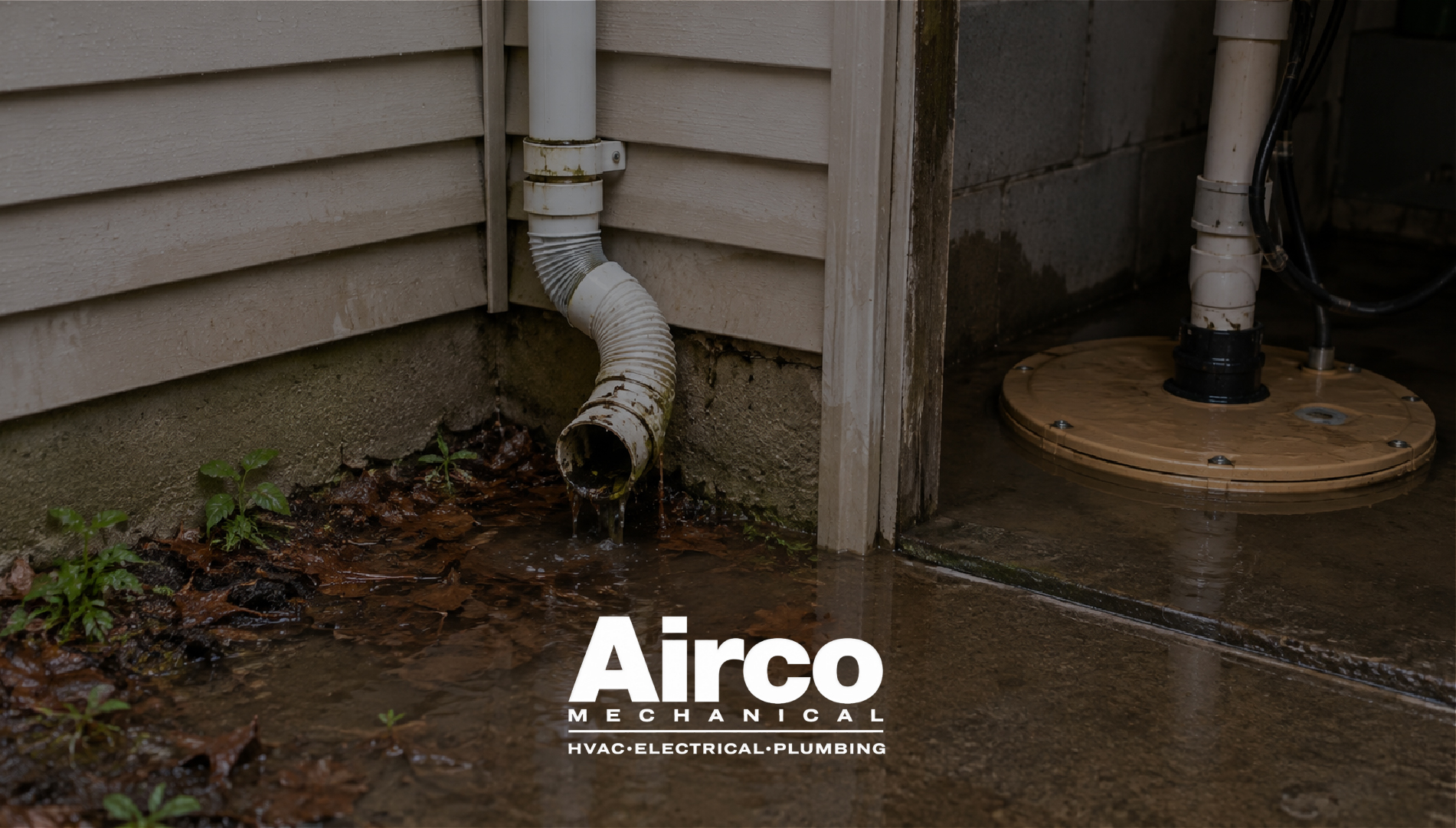
Moisture in a basement or crawl space may come from plumbing leaks, drainage problems, groundwater, foundation seepage, or sump pump failure.
Possible Sources
- Leaking pipes
- Condensation
- Drain backup
- Foundation water intrusion
- Sump pump failure
- Discharge pipe issue
- Sewer line leak
- Poor grading outside
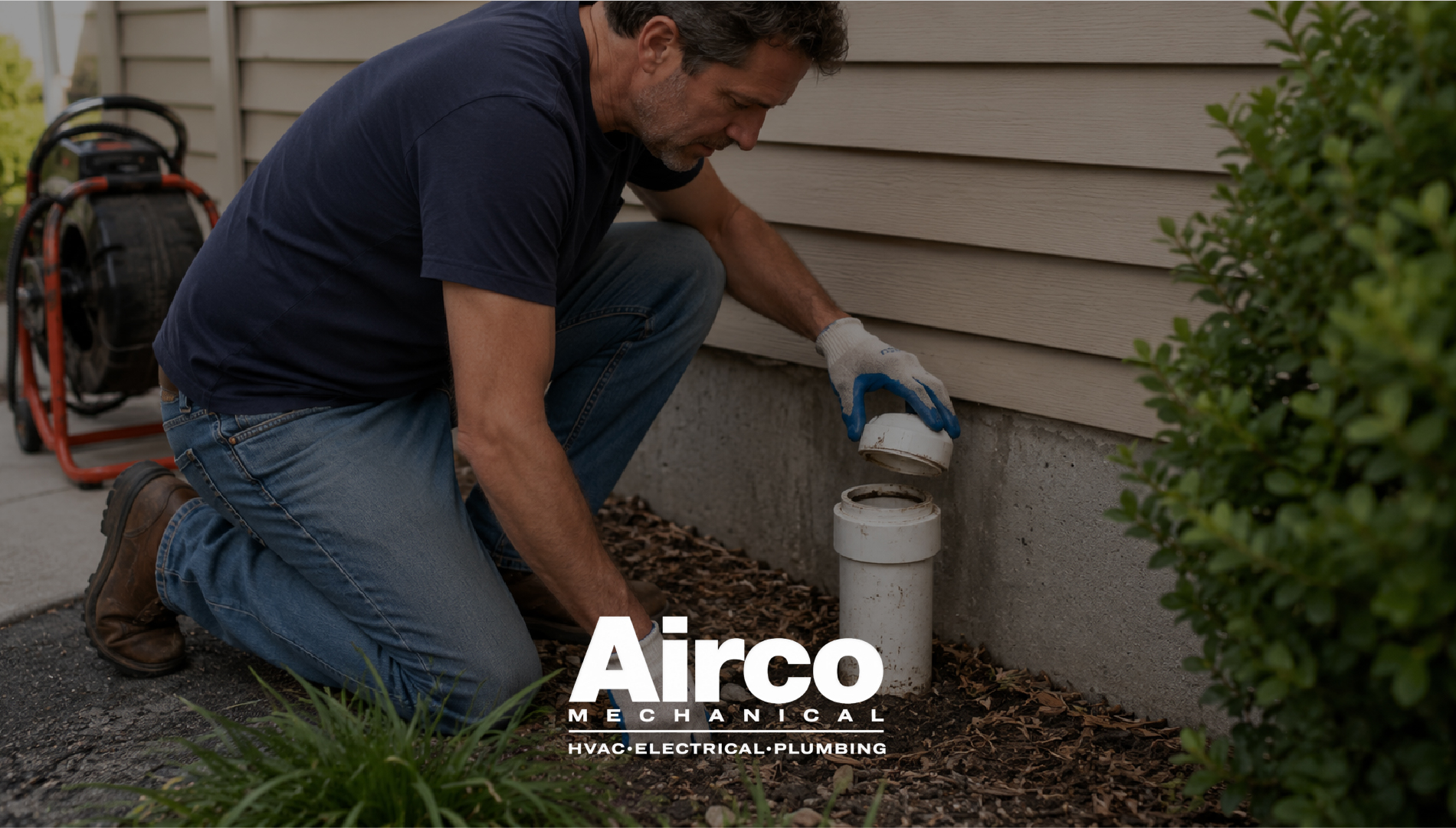
If water appears after rain, the issue may involve drainage or a sump system. Professional sump pump service can help test the pump, float switch, check valve, discharge line, and backup system.
Supply Leak vs. Drain Leak
Knowing the difference between supply leaks and drain leaks helps identify the problem faster.
| Type of Leak | When It Appears | Common Locations | Risk |
|---|---|---|---|
| Supply leak | Continuous or pressure-related | Pipes, valves, supply lines | Can waste water constantly |
| Drain leak | When fixture is used | Sink drains, tubs, showers | Can damage cabinets, floors, walls |
| Toilet leak | During or after flushing | Base, tank, supply line | Can damage flooring |
| Appliance leak | During operation | Dishwasher, washer, refrigerator | Often hidden behind appliance |
| Sump-related leak | During rain or high water | Basement, crawl space | Can cause flooding |
A supply leak may continue even when no fixture is being used. A drain leak may only show when water runs through the drain.
Process: How Plumbers Find Hidden Plumbing Leaks
Professional leak detection follows a structured process instead of guesswork.
Step 1: Review Symptoms
The plumber asks where stains, odors, sounds, or pressure problems appear and when they happen.
Step 2: Inspect Visible Plumbing
Fixtures, shutoff valves, supply lines, drains, toilets, appliances, and water heater connections are checked.
Step 3: Test Fixture Operation
Water is run through sinks, showers, tubs, toilets, dishwashers, and other fixtures to see when moisture appears.
Step 4: Check Water Meter Behavior
If the meter moves while all water is off, a supply-side leak may exist.
Step 5: Use Moisture Detection
Moisture meters or other tools may help identify wet areas behind surfaces.
Step 6: Isolate the Leak Source
The plumber determines whether the problem comes from a fixture, valve, drain, supply line, appliance, or sewer connection.
Step 7: Recommend Repair
The repair may involve replacing a valve, repairing a pipe, replacing a toilet seal, fixing a drain connection, repairing appliance plumbing, or investigating the sewer line.
This process helps locate hidden plumbing leaks without unnecessary demolition.
Common Areas Where Hidden Leaks Start
| Area | Common Leak Source | What to Watch |
|---|---|---|
| Kitchen | Sink, disposal, dishwasher, fridge line | Wet cabinets or floor damage |
| Bathroom | Toilet, shower, tub, vanity | Soft flooring or ceiling stains |
| Laundry room | Washer hoses, valves, drain line | Water behind appliance |
| Water heater area | Valves, pipes, tank, relief line | Puddles or corrosion |
| Basement | Pipes, sump pump, floor drains | Dampness or odors |
| Crawl space | Pipes, drains, sewer lines | Moisture or musty smell |
| Exterior wall | Hose bib or pipe | Wall stains or pressure changes |
Repair vs. Replacement for Hidden Leaks
| Leak Situation | Repair May Be Enough | Replacement May Be Better |
|---|---|---|
| One loose fitting | Tighten or replace fitting | Not usually needed |
| One damaged supply line | Replace line | Replace all aging lines if similar |
| Toilet seal failed | Replace seal | Replace toilet if cracked or unstable |
| Faucet connection leak | Repair connection | Replace old corroded faucet |
| Drainpipe leak | Replace section | Replace larger section if deteriorated |
| Repeated pipe leaks | Temporary repair | Repiping may be needed |
| Sump pump leak/failure | Repair valve or switch | Replace old unreliable pump |
The right decision depends on age, location, severity, material condition, and recurrence risk.
Prevention: How to Reduce Hidden Plumbing Leak Risk
The best way to manage hidden plumbing leaks is to prevent them through inspections and early repairs.
Homeowner Prevention Checklist
- Check under sinks monthly
- Replace aging supply lines
- Repair dripping faucets quickly
- Test toilets for running
- Watch for water stains
- Keep cabinets dry and clear
- Inspect appliance connections
- Know the main water shutoff location
- Test sump pumps before storm season
- Avoid ignoring sewer odors
- Schedule plumbing inspection for older homes
- Monitor water bills
- Check water meter when fixtures are off
High-Risk Areas to Inspect Regularly
- Under kitchen sink
- Under bathroom vanity
- Around toilet base
- Behind refrigerator
- Near dishwasher
- Near water heater
- Laundry room valves
- Basement and crawl space
- Around sump pump basin
Hidden Leak Inspection Checklist
| Question | Yes / No |
|---|---|
| Has your water bill increased unexpectedly? | |
| Are there stains on walls or ceilings? | |
| Do cabinets smell musty? | |
| Is flooring soft near fixtures? | |
| Do you hear water when fixtures are off? | |
| Is the toilet base dry and stable? | |
| Are appliance water lines dry? | |
| Is water pressure consistent? | |
| Is the sump pump working properly? | |
| Has a plumber inspected recurring moisture? |
If several answers point to moisture, schedule leak detection before the damage expands.
Conclusion
Hidden leaks can damage a home quietly before homeowners see obvious water. Stains, odors, soft flooring, damp cabinets, low pressure, running water sounds, toilet base moisture, high water bills, and basement dampness are all warning signs that should be checked early.
If you suspect hidden plumbing leaks, contact Airco Mechanical today. Airco Mechanical can inspect your plumbing system, locate the source, repair the issue, and help protect your home from water damage, mold risk, and costly repairs.
FAQs
1. What are hidden plumbing leaks?
They are leaks behind walls, under floors, inside cabinets, near appliances, under toilets, or in other areas that are not immediately visible.
2. How do I know if I have a hidden leak?
Look for water stains, musty odors, soft flooring, low pressure, running water sounds, or higher water bills.
3. Can a toilet cause hidden water damage?
Yes. A leaking toilet seal can allow water to enter the floor and damage the subfloor.
4. Are hidden leaks always from pipes?
No. They can come from fixtures, valves, drains, appliances, toilet seals, or sump systems.
5. When should I call a plumber for a hidden leak?
Call when stains, odors, moisture, pressure changes, or water bills suggest a leak you cannot clearly locate.