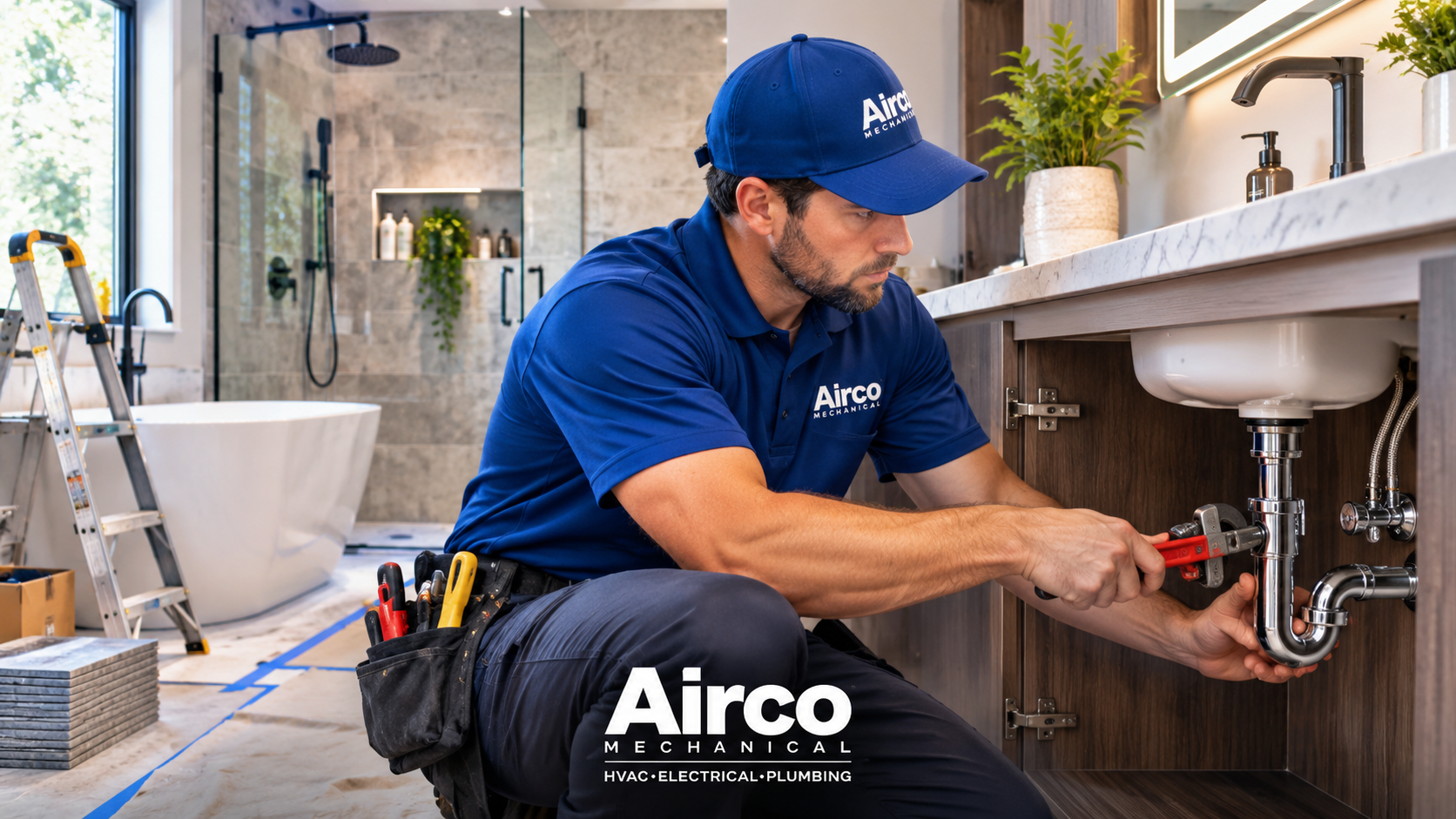
A plumbing maintenance plan can be worth it for homeowners who want regular inspections, fewer unexpected plumbing problems, and better control over household maintenance expenses. Rather than waiting for a leaking pipe, clogged drain, or malfunctioning water heater to interrupt daily activities, a maintenance plan provides a more organized approach to monitoring plumbing conditions. However, the value of a plan depends on its price, included services, inspection frequency, and the condition of your home’s plumbing system. Homeowners can explore professional general plumbing services to understand their maintenance options and determine which services are appropriate.
Regular plumbing care can help homeowners identify leaks, worn components, drainage concerns, and equipment problems before they become more serious. Airco Mechanical provides residential plumbing repairs, installations, replacements, and maintenance services for homeowners in Austin, Round Rock, and surrounding Central Texas communities. Understanding what a maintenance plan includes, how much value it provides, and when professional inspections are needed can help you decide whether ongoing service is a worthwhile investment.
What Is a Plumbing Maintenance Plan?
A plumbing maintenance plan is an arrangement with a plumbing service provider for scheduled inspections, preventive service, or other defined maintenance benefits.
Instead of contacting a plumber only when something breaks, homeowners may receive regular visits to evaluate important plumbing components.
The exact services depend on the contractor and the agreement. Some plans focus on inspections, while others include selected maintenance tasks, scheduling benefits, or discounts on additional repairs.
A typical residential plumbing system includes water supply piping, fixtures, shutoff valves, drains, sewer connections, and water heating equipment. These components experience regular use and may develop problems as they age.
A structured maintenance arrangement can make it easier to monitor their condition and decide when repairs or replacements are needed.
However, a maintenance agreement should not be confused with a warranty or insurance policy. Most plans do not automatically cover every repair, replacement part, or emergency plumbing problem.
What Does a Plumbing Maintenance Plan Usually Include?
The scope of a plumbing maintenance plan varies between service providers.
Some agreements include a comprehensive annual inspection, while others focus on selected systems or offer additional benefits for participating homeowners.
Before purchasing, it is important to understand exactly which plumbing components will be inspected and what services are included in the quoted price.
| Plumbing System | Possible Maintenance Service | Why It Matters |
|---|---|---|
| Water supply pipes | Visible leak and corrosion inspection | Helps identify developing pipe problems |
| Kitchen plumbing | Faucet, sink, connection, and valve inspection | Reduces the risk of unnoticed leaks |
| Bathroom plumbing | Toilet, shower, faucet, and supply inspection | Helps identify fixture problems |
| Water heater | Condition and connection checks | Supports reliable hot water operation |
| Drainage system | Review of recurring drainage concerns | Identifies potential blockage problems |
| Shutoff valves | Accessibility and operation assessment | Supports emergency water control |
| Water pressure | Pressure evaluation when included | Helps identify abnormal pressure conditions |
| Plumbing fixtures | Leak and function checks | Supports efficient daily operation |
Not every maintenance agreement includes all these services.
Drain cleaning, water heater flushing, sewer camera inspections, replacement parts, and emergency repairs may be billed separately.
A written service description is the best way to understand what you are actually purchasing.
Is a Plumbing Maintenance Plan Worth the Cost?
The value of a maintenance plan depends on more than the annual fee.
Homeowners should consider how often they need plumbing inspections, whether the plan includes services they would otherwise purchase individually, and whether the benefits are useful for their property.
For example, a home with older water supply pipes, a history of recurring leaks, and aging plumbing equipment may require more regular attention than a recently constructed property with newer systems.
A maintenance plan may provide additional value when the homeowner prefers a predictable service schedule and wants professional assistance monitoring equipment conditions.
However, a homeowner with relatively new plumbing and no recurring problems may prefer occasional inspections without an ongoing agreement.
Comparing Maintenance Costs With Individual Service Visits
A useful way to evaluate a maintenance plan is to compare its annual cost with the price of purchasing the included services separately.
Consider a hypothetical situation where a maintenance agreement costs $180 annually and includes one inspection that would otherwise cost $150, along with scheduling benefits.
The homeowner would be paying an additional $30 for those benefits.
Whether that is worthwhile depends on how often the benefits are used and whether additional services are included.
These figures are illustrative and are not Airco Mechanical’s plumbing plan prices.
| Cost Consideration | Maintenance Plan | Individual Service Visits |
|---|---|---|
| Payment | May involve recurring fees | Usually paid when service is needed |
| Inspection schedule | Often arranged in advance | Homeowner schedules visits |
| Budget planning | More predictable membership expense | Costs vary with service needs |
| Additional repairs | Coverage depends on agreement | Generally billed separately |
| Scheduling benefits | May include priority appointments | Depends on availability |
| Best fit | Homeowners wanting ongoing service | Homeowners preferring occasional visits |
A maintenance plan is most valuable when the included services and benefits justify its price.
Which Homeowners Benefit Most From Plumbing Maintenance?
Not every property has the same maintenance requirements.
The condition of the plumbing, frequency of previous problems, household size, and age of the building can all influence whether ongoing service makes sense.
Older Homes With Aging Plumbing
Older homes may have water supply pipes, valves, drains, or fixtures that have been in service for many years.
Although age alone does not mean a system is failing, older components may require closer attention when there are signs of wear or previous repair history.
Regular inspections can help identify corrosion, moisture, deteriorating fittings, and other visible concerns.
For homes with recurring pipe problems, maintenance visits can also help determine whether continued repairs remain practical or replacement should be considered.
Homes With Previous Plumbing Repairs
A home that has experienced several leaks or drainage problems may benefit from more consistent monitoring.
For example, a homeowner who recently repaired a pipe leak may want the surrounding connections evaluated during subsequent maintenance visits.
Similarly, recurring toilet problems or slow drains may justify checking whether previous repairs addressed the underlying cause.
A maintenance agreement can provide an organized way to follow up on these concerns.
Busy Households
Plumbing systems in larger or busier households often experience frequent use.
Multiple showers, laundry loads, dishwasher cycles, and daily kitchen activities place regular demands on fixtures and equipment.
While normal use should not cause a properly functioning plumbing system to fail, frequent operation can reveal worn components or developing maintenance needs.
Scheduled inspections may be convenient for homeowners who would otherwise forget to review their plumbing systems.
Homeowners Planning to Stay Long-Term
Homeowners who plan to remain in the same property for several years may value having a documented plumbing maintenance history.
Service records can help track recurring problems, completed repairs, water heater maintenance, and future replacement needs.
This information is useful when budgeting for larger improvements or evaluating the condition of aging equipment.
What Plumbing Problems Can Regular Maintenance Help Identify?
Preventive maintenance does not guarantee that plumbing emergencies will never happen.
However, it can help identify certain problems before they become more disruptive.
Leaking Pipes and Plumbing Connections
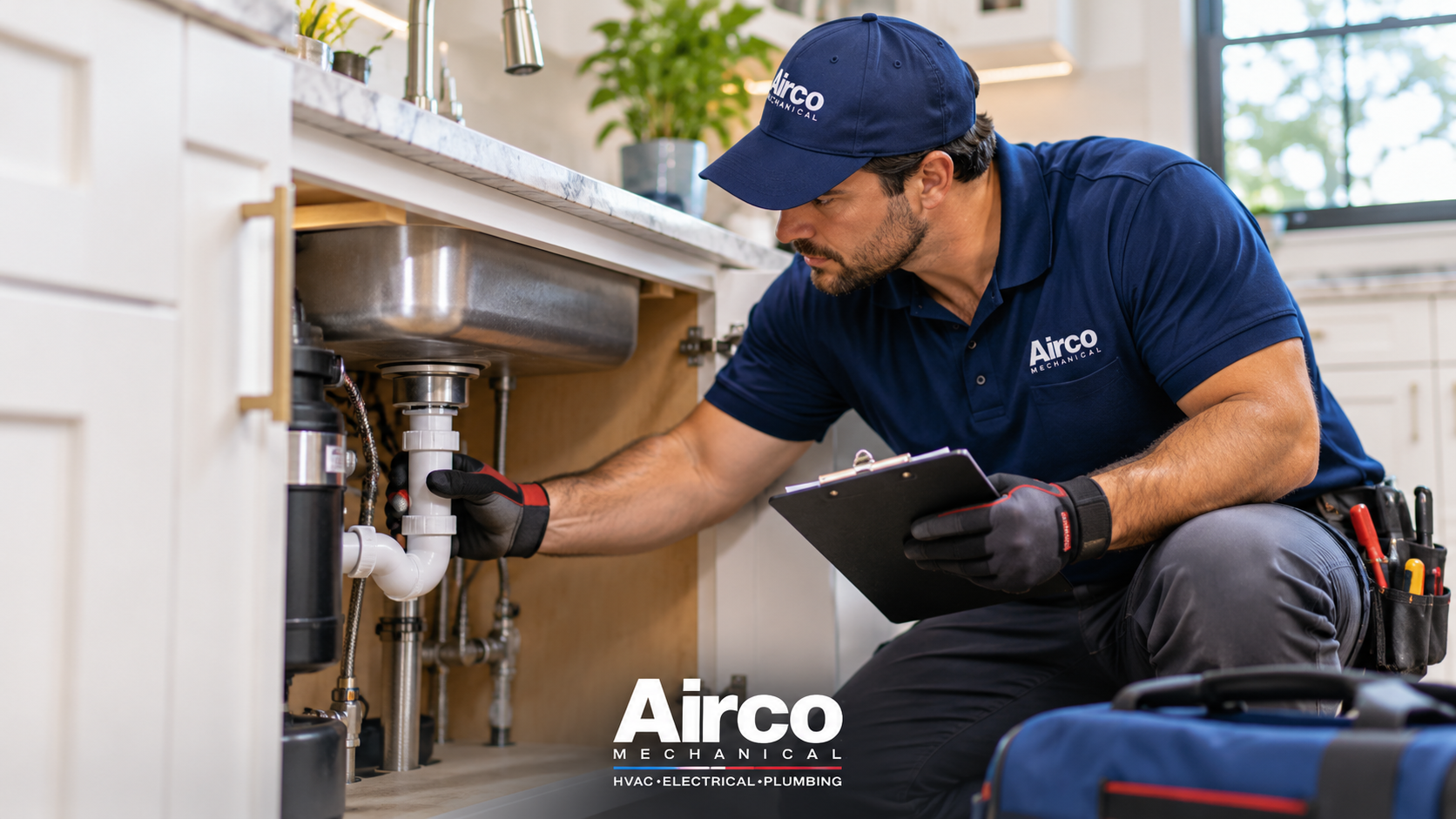
Small leaks may develop beneath sinks, around water heaters, behind accessible appliance connections, or near plumbing valves.
Some are easy to notice. Others can remain hidden until water stains, damp cabinets, or higher water bills appear.
A professional inspection can identify visible signs of leaking and determine whether additional investigation is needed.
According to the EPA WaterSense home maintenance guidance, homeowners should regularly check for leaks because water waste and property damage can develop when problems remain unaddressed.
Worn Toilet Components
A toilet that runs continuously may waste water even when no visible leak is present.
Worn flappers, faulty fill valves, and other internal components can prevent the toilet from operating correctly.
Regular monitoring can help identify these problems before they significantly increase water consumption.
Drainage Problems
Slow drainage may develop gradually as debris accumulates or the drainage system experiences other restrictions.
Maintenance inspections can help homeowners recognize recurring drainage patterns and decide whether professional cleaning or further diagnosis is needed.
However, routine drain cleaning is not automatically required for every home. The need depends on symptoms, system condition, and the contractor’s assessment.
Water Heater Problems
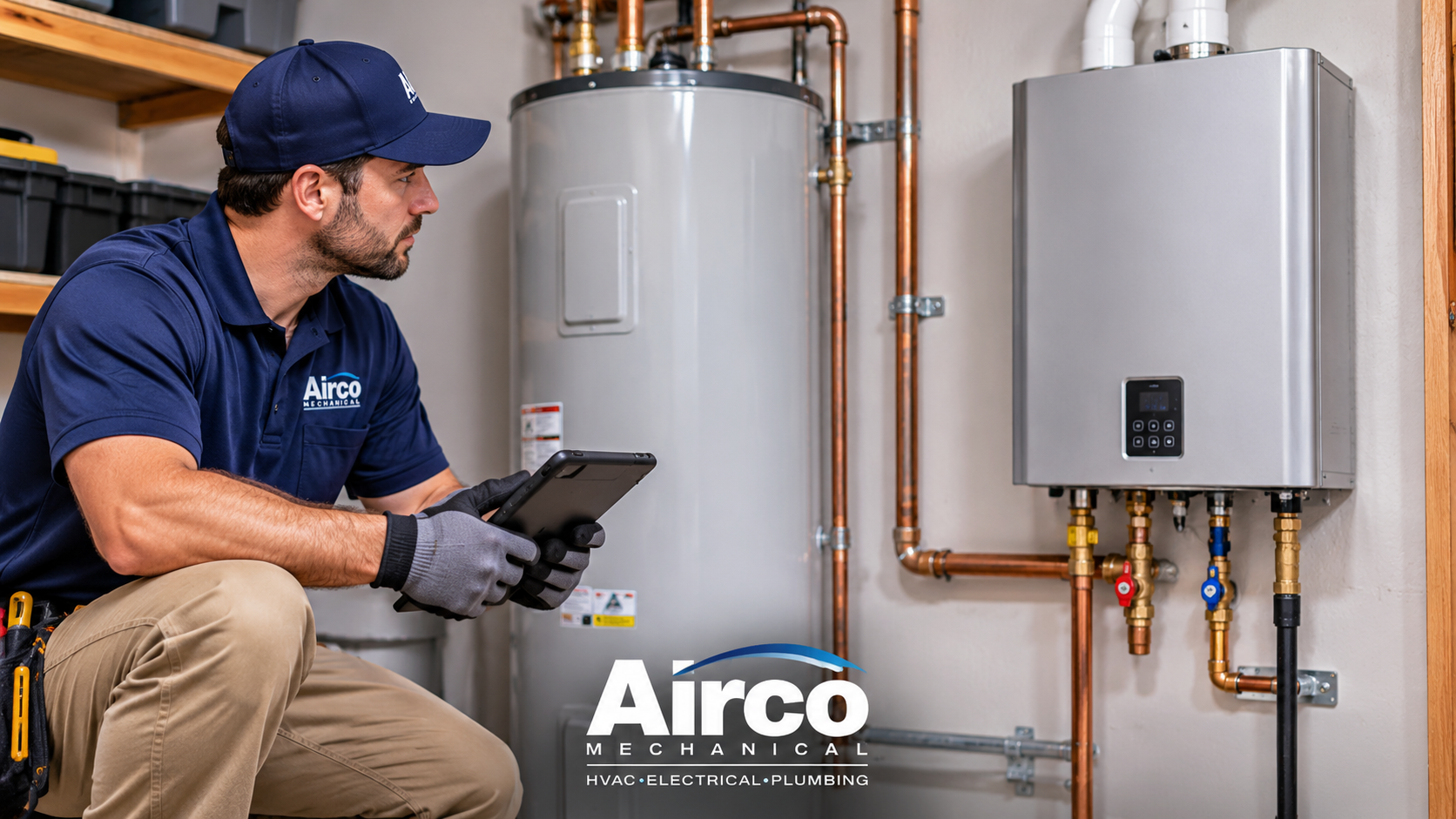
Water heaters require attention because they provide hot water for bathing, cleaning, laundry, and other daily activities.
A maintenance visit may include checking for visible leaks, corrosion, connection problems, unusual operating conditions, and other signs of deterioration.
The EPA also recommends considering professional water heater service at least annually to help maintain efficient operation.
The appropriate work depends on the heater type and manufacturer requirements.
Plumbing Maintenance vs. Emergency Plumbing Repairs
Preventive maintenance and emergency repairs serve different purposes.
Maintenance focuses on inspecting and servicing equipment while it is operating normally.
Emergency plumbing repairs address problems that require immediate attention, such as burst pipes, uncontrolled leaks, or significant wastewater backups.
A maintenance plan may help reduce some avoidable failures, but it cannot eliminate accidental damage, sudden component failures, or problems caused by external conditions.
For example, inspecting a worn shutoff valve may reveal that replacement is needed before it fails. However, an unexpected pipe rupture can still occur even when the system has received regular service.
The main benefit of preventive maintenance is earlier problem identification and better service planning, not a guarantee against future emergencies.
How Often Should Home Plumbing Be Inspected?
There is no single professional inspection schedule that applies to every home.
The appropriate frequency depends on plumbing age, equipment condition, previous repair history, water quality, and manufacturer maintenance recommendations.
Some homeowners may benefit from an annual professional review, while others may need more frequent attention to particular systems.
A home with recurring leaks, deteriorating pipes, or older water heating equipment may require a more personalized schedule.
Between professional appointments, homeowners should also monitor visible plumbing components.
Suggested Plumbing Maintenance Schedule
| Frequency | Maintenance Activity |
|---|---|
| Monthly | Look for obvious leaks, running toilets, and unusual drainage |
| Every few months | Inspect accessible sink connections and appliance supply hoses |
| Annually | Consider a professional plumbing inspection based on system condition |
| Annually or as recommended | Service water heater according to manufacturer requirements |
| After recurring problems | Request targeted inspection of the affected system |
| Before major remodeling | Evaluate existing pipes, valves, and fixture connections |
These are general planning suggestions, not mandatory service intervals.
A professional plumber can help determine which tasks are appropriate for your home.
Can Plumbing Maintenance Help Reduce Water Bills?
Regular plumbing maintenance can help reduce unnecessary water consumption when leaks or malfunctioning fixtures are discovered and repaired.
A dripping faucet may seem minor, but water loss continues throughout the day.
Running toilets can waste considerably more water without obvious warning signs.
The EPA reports that the average household’s leaks can account for more than 9,300 gallons of wasted water annually.
Fixing readily correctable household leaks can save homeowners approximately 10% on their water bills, depending on the amount of water previously being wasted.
More information is available in the EPA’s Fix a Leak Week resources.
These savings come from correcting existing water waste, not simply purchasing a maintenance agreement.
The value of a plan therefore depends on whether the inspections and services lead to useful maintenance or repairs.
Does a Plumbing Maintenance Plan Cover Replacement Parts?
Homeowners should never assume that a maintenance membership automatically includes replacement components.
Some agreements cover inspections only. Others may include selected repairs, discounts, or specific parts under defined conditions.
A plan might cover the inspection of a faucet without including the cost of replacing the faucet.
Similarly, a water heater inspection may be included while flushing, repairs, or equipment replacement are charged separately.
Before signing an agreement, review the written terms carefully.
Important questions include whether parts and labor are included, whether there are service call fees, how emergency appointments are handled, and what exclusions apply.
Understanding these details helps avoid misunderstandings when repairs become necessary.
What Should You Ask Before Buying a Plumbing Maintenance Plan?
A maintenance plan should be evaluated in the same way as any other household service agreement.
The homeowner needs to understand what is included and whether the membership provides practical value.
Rather than purchasing a plan based only on its advertised benefits, compare the actual scope of work with your home’s maintenance requirements.
Plumbing Maintenance Plan Buying Checklist
| Question | Why It Matters |
|---|---|
| What is the annual or monthly cost? | Helps determine the total expense |
| How many inspections are included? | Establishes the service frequency |
| Which plumbing systems are covered? | Clarifies the scope |
| Is water heater maintenance included? | Prevents assumptions about equipment care |
| Is drain cleaning included? | Identifies potential extra charges |
| Are replacement parts covered? | Helps estimate future repair expenses |
| Is there a service call fee? | Affects the cost of requesting assistance |
| Does the plan offer priority scheduling? | May provide additional convenience |
| Are emergency visits included? | Clarifies urgent service costs |
| Can the agreement be canceled? | Helps assess flexibility |
| Does the agreement renew automatically? | Avoids unexpected recurring charges |
Requesting written details is particularly important when comparing plans from different contractors.
Is a Plumbing Maintenance Plan Better Than Paying for Repairs as Needed?
The right approach depends on the homeowner’s priorities and the condition of the property.
Paying for repairs as needed can be practical when the plumbing system is relatively new, operating properly, and has no history of recurring issues.
However, this approach requires the homeowner to remember regular inspections and respond promptly when small problems appear.
A maintenance plan may offer convenience through scheduled visits and defined service arrangements.
For older homes or homeowners who prefer structured preventive care, that convenience may be valuable even when the immediate financial savings are limited.
The decision should consider inspection costs, membership benefits, equipment condition, and the likelihood of needing professional service.
A maintenance plan should be judged by its actual services, not by the assumption that it will always cost less than individual appointments.
Can Plumbing Maintenance Extend the Life of Your Equipment?
Routine maintenance can support reliable operation and help identify problems that may otherwise contribute to premature equipment failure.
For example, addressing a leaking connection can prevent damage around a fixture.
Maintaining water heaters according to manufacturer recommendations can help manage sediment-related concerns and identify deteriorating components.
Checking accessible valves and supply connections can also reveal conditions that need repair.
However, maintenance cannot reverse extensive corrosion, repair a structurally damaged pipe without intervention, or make equipment last indefinitely.
The useful life of a plumbing component depends on product quality, installation, water conditions, usage, and maintenance history.
Preventive care is most effective when inspections lead to timely repairs and informed replacement decisions.
What About Homes With Hard Water?
Water quality can affect plumbing maintenance requirements.
Hard water contains dissolved minerals, particularly calcium and magnesium, which may contribute to scale buildup on fixtures and inside certain water-using equipment.
In areas where hard water is a concern, homeowners may notice mineral deposits around faucets, showerheads, and other plumbing components.
Scale can also affect water heater maintenance needs.
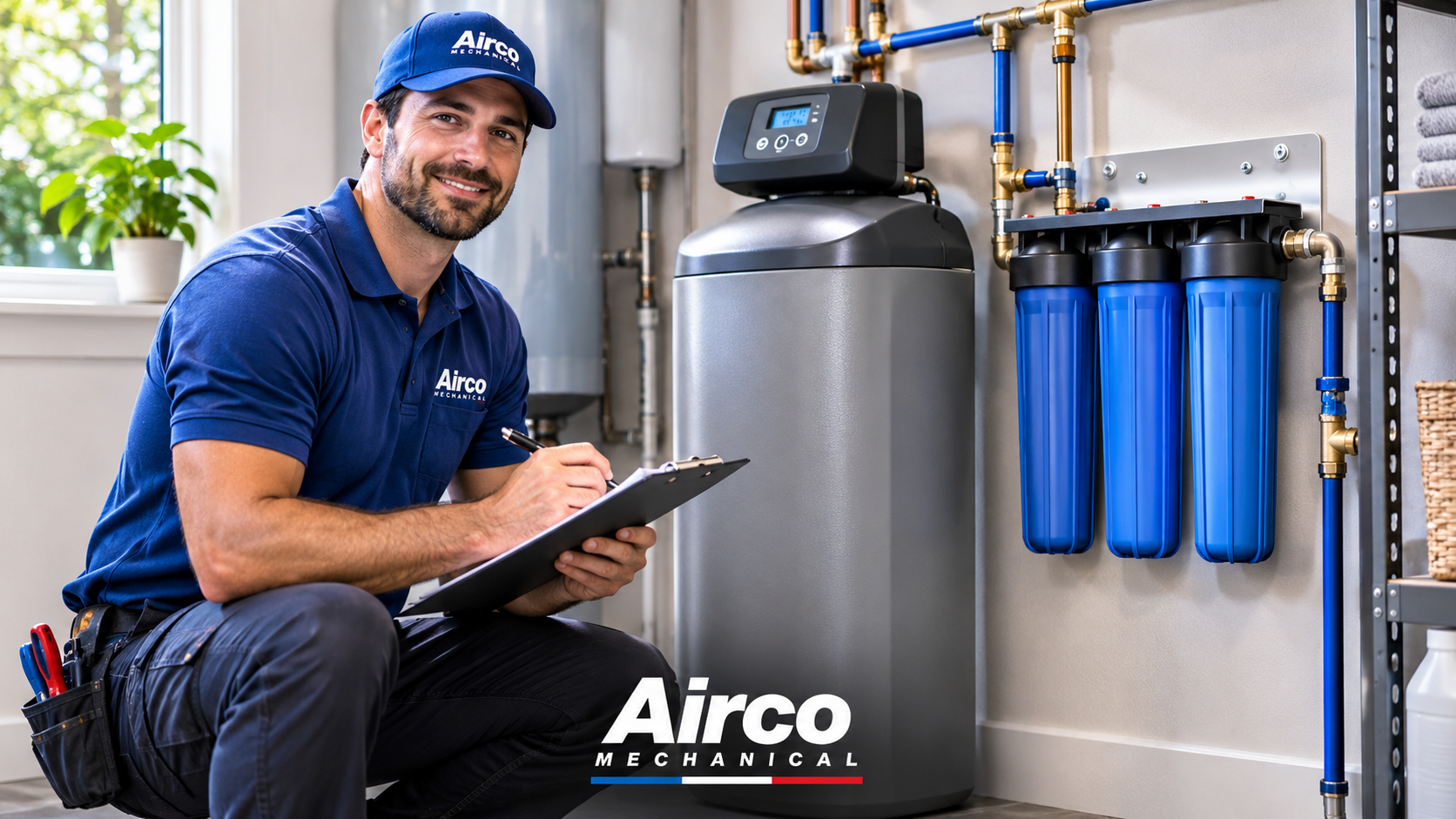
A professional assessment may help determine whether the home would benefit from a water softener or another appropriate treatment system.
However, water treatment equipment requires its own maintenance, and homeowners should consider these additional responsibilities when evaluating an ongoing plumbing service arrangement.
What Does Airco Mechanical Offer for Plumbing Maintenance?
Airco Mechanical’s residential General Plumbing service page includes plumbing maintenance for systems such as water heaters, pipes, drains, and sewer lines.
The company also encourages homeowners to inquire about its maintenance plans and available service benefits.
Homeowners should contact Airco Mechanical to confirm the current scope, cost, eligibility, and plumbing-specific services included in any maintenance agreement.
This is important because the company’s separately advertised residential preventive maintenance membership primarily describes heating and cooling inspections. Its listed benefits should not automatically be interpreted as coverage for all residential plumbing repairs or maintenance services.
Airco Mechanical also provides plumbing installation, replacement, and repair services for homeowners who need assistance outside a maintenance arrangement.
Whether you want a scheduled plumbing inspection or help with a specific problem, discussing your home’s condition with a qualified professional can help determine the most appropriate service.
When Is a Plumbing Maintenance Plan Not Necessary?
An ongoing maintenance agreement may not be the best option for every homeowner.
For example, someone living in a recently constructed home with newer plumbing, no recurring issues, and clearly documented manufacturer warranties may prefer to arrange inspections individually.
A homeowner who already follows an effective maintenance schedule and has reliable access to professional service may also find a recurring membership unnecessary.
However, even a newer home requires attention to leaks, fixture operation, appliance connections, and equipment maintenance.
Choosing not to purchase a plan should not mean ignoring the plumbing system until something breaks.
The goal is to select a maintenance approach that matches your home’s needs and budget.
How to Choose the Right Plumbing Maintenance Service in Austin
When comparing plumbing maintenance services in Austin, look for a contractor that clearly explains its inspection process, service recommendations, and agreement terms.
A useful maintenance visit should provide information about the condition of the system and any problems that need attention.
Homeowners should understand whether a recommended repair is urgent, preventive, or optional.
It is also important to consider the contractor’s qualifications, service area, communication, and ability to address repairs or replacements when needed.
For homeowners in Austin and Round Rock, Airco Mechanical provides residential plumbing services covering installation, repairs, replacements, and maintenance.
A professional discussion about the home’s plumbing history and existing equipment can help identify whether ongoing service or an individual inspection makes more sense.
Conclusion
A plumbing maintenance plan can be a worthwhile investment for homeowners who want scheduled inspections, easier maintenance planning, and help identifying developing plumbing problems.
However, the value depends on the services included, the annual price, contract terms, and condition of the home’s plumbing.
For some households, a maintenance agreement offers useful convenience and ongoing professional support. Others may find that individual inspections provide sufficient protection without recurring membership fees.
Before purchasing, compare the services you actually need with the benefits offered by the plan. Regularly checking plumbing fixtures, addressing leaks promptly, and maintaining water heating equipment remain important regardless of the option you choose.
If you want to discuss plumbing maintenance, inspections, repairs, or service options for your home, contact Airco Mechanical. The company provides residential plumbing support throughout Austin, Round Rock, and surrounding Central Texas communities.
Call (512) 537-1234 or visit Airco Mechanical to learn more about available services and request an appointment.
Frequently Asked Questions
Is a plumbing maintenance plan worth the money?
It can be worthwhile when the included inspections and service benefits match your home’s needs. Compare the annual cost with the services you would otherwise purchase separately.
How often should a home’s plumbing system be inspected?
Inspection frequency depends on the age, condition, and repair history of the plumbing. Many homeowners consider an annual professional review, with additional inspections when problems appear.
Does plumbing maintenance prevent expensive repairs?
Maintenance can help identify developing problems early, but it cannot prevent every plumbing failure or guarantee lower repair expenses.
What is usually included in a plumbing maintenance plan?
Plans may include scheduled inspections of pipes, fixtures, valves, drains, and water heating equipment. Exact services and coverage vary by contractor.
Does Airco Mechanical offer plumbing maintenance services?
Yes. Airco Mechanical offers residential plumbing maintenance, repair, replacement, and installation services. Homeowners should contact the company to confirm available plumbing maintenance plan details and coverage.