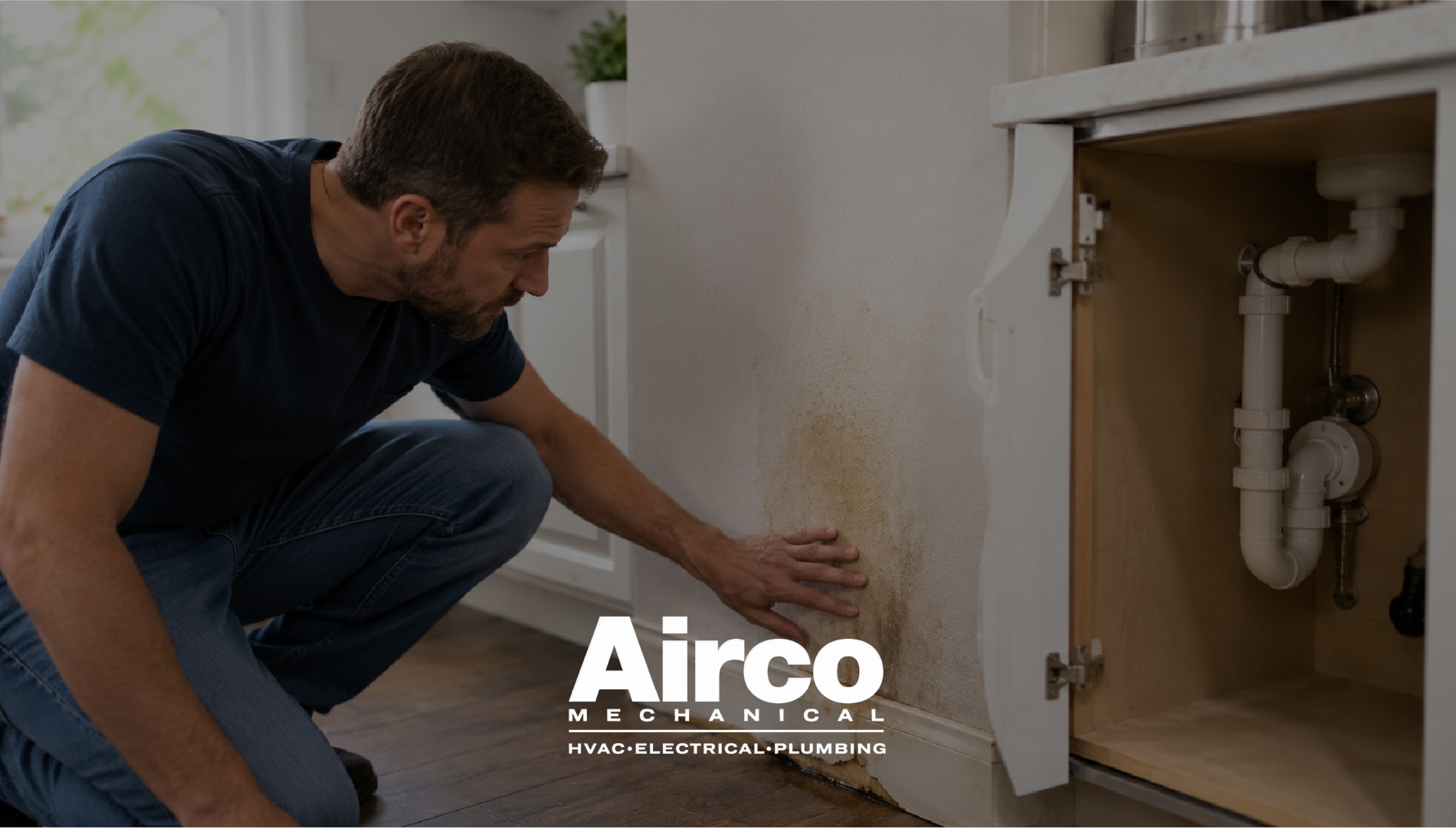
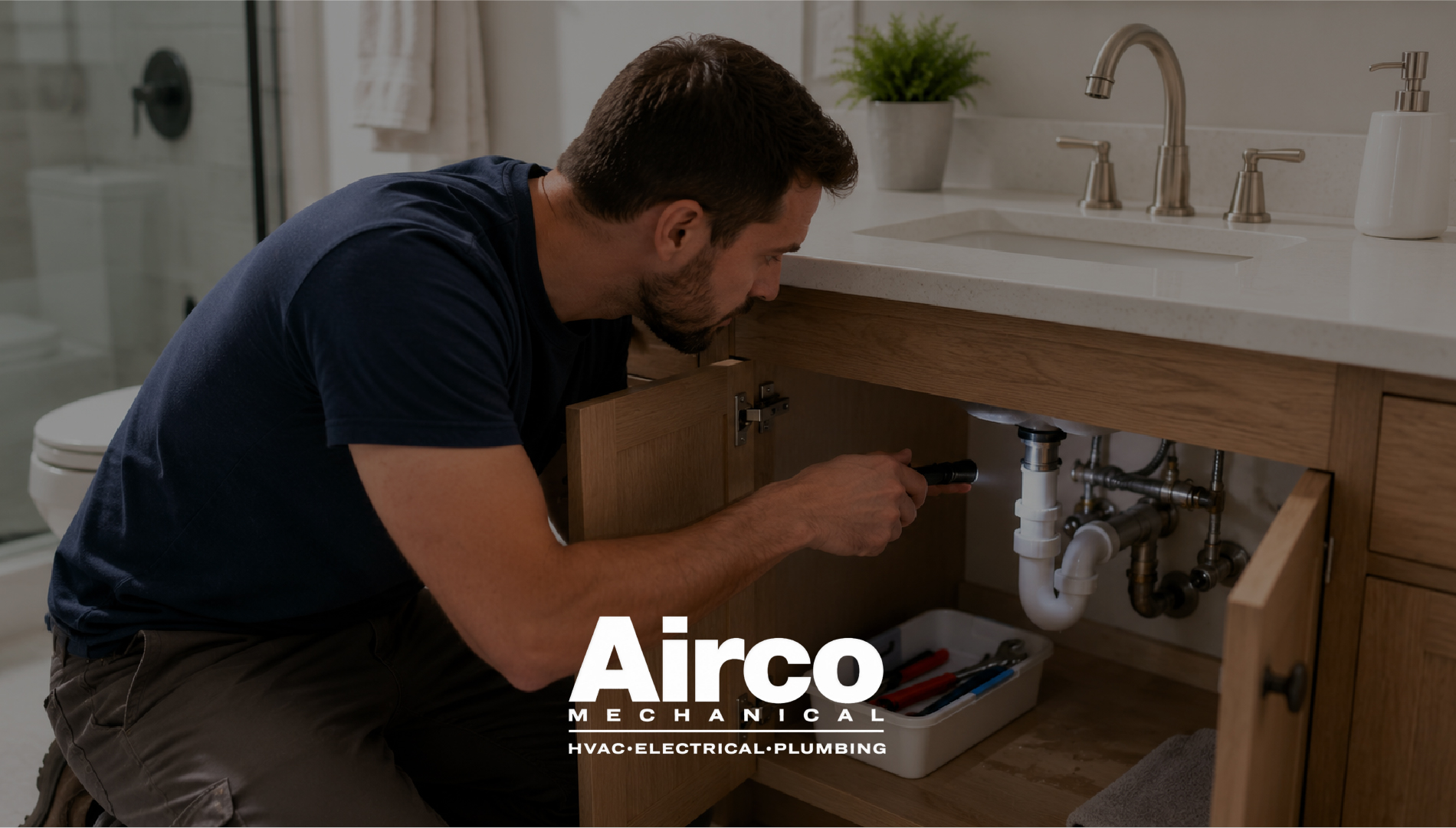
Common Furnace Problems and Solutions are important for homeowners and businesses looking to maintain reliable heating, improve energy efficiency, and avoid costly winter breakdowns. Furnace issues such as weak airflow, ignition failure, dirty filters, or thermostat malfunctions can reduce comfort and increase operating costs if not addressed early. Investing in dependable heating systems like Most dependable HVAC units heat pump – 7 best picks and following proper maintenance practices can significantly improve furnace performance and extend equipment lifespan.
What Is a Furnace System? (Entity Level)
A furnace is a heating system designed to generate and distribute warm air throughout a building using ductwork and blowers. Furnaces typically use natural gas, propane, oil, or electricity as fuel sources to produce heat during colder months.
Understanding Common Furnace Problems and Solutions begins with recognizing that furnaces rely on multiple interconnected components such as burners, heat exchangers, blowers, filters, thermostats, and ignition systems.
Key Attributes That Affect Furnace Performance (Attribute Level)
Several important attributes influence furnace efficiency and reliability:
- Airflow quality
- Burner performance
- Heat exchanger condition
- Thermostat accuracy
- Filter cleanliness
- Fuel supply consistency
- Electrical connection stability
Weakness in any of these areas can create furnace performance issues.
How Furnaces Work (Process Level)
- Thermostat detects indoor temperature drop
- Furnace ignition system activates burners
- Heat exchanger warms incoming air
- Blower distributes heated air through ducts
- System cycles off once target temperature is reached
Understanding this process helps identify where furnace problems commonly occur.
Common Furnace Problems and Solutions
1. Dirty or Clogged Air Filters
Dirty filters restrict airflow and force furnaces to work harder.
Symptoms
- Weak airflow
- Uneven heating
- Higher energy bills
- Frequent cycling
Solution
Replace filters every 1–3 months depending on usage and indoor air quality.
2. Furnace Not Producing Heat
A furnace may stop generating heat due to thermostat or ignition issues.
Possible Causes
- Thermostat malfunction
- Pilot light failure
- Ignition system problems
- Electrical issues
Solution
Check thermostat settings, inspect ignition systems, and verify power supply.
3. Frequent Furnace Cycling
Short cycling increases wear and reduces efficiency.
Causes
- Dirty filters
- Incorrect thermostat placement
- Overheating issues
- Improper system sizing
Solution
Improve airflow and inspect thermostat calibration.
4. Weak or Uneven Heating
Poor heat distribution affects indoor comfort.
Causes
- Duct leaks
- Blocked vents
- Blower motor issues
- Poor airflow balancing
Solution
Inspect ductwork and maintain proper airflow.
5. Furnace Blower Runs Continuously
Continuous blower operation increases energy consumption.
Causes
- Thermostat fan settings
- Relay switch issues
- Electrical malfunctions
Solution
Adjust thermostat settings and inspect electrical components.
6. Strange Furnace Noises
Noises often indicate mechanical problems.
Common Sounds
- Banging
- Squealing
- Rattling
- Grinding
Solution
Inspect belts, motors, and loose components immediately.
7. Ignition or Pilot Light Problems
Modern furnaces use electronic ignition systems instead of standing pilot lights.
Common Causes
- Dirty flame sensors
- Gas supply issues
- Ignition component failure
Solution
Clean sensors and inspect ignition systems professionally.
8. Thermostat Malfunctions
Thermostat problems cause inconsistent heating.
Symptoms
- Incorrect temperatures
- Furnace not starting
- Frequent cycling
Solution
Recalibrate or upgrade the thermostat system.
9. Dirty Burners
Dirty burners reduce combustion efficiency.
Effects
- Weak heating
- Increased fuel consumption
- Delayed ignition
Solution
Schedule professional burner cleaning.
10. Heat Exchanger Problems
Cracked heat exchangers are serious safety concerns.
Warning Signs
- Unusual odors
- Carbon monoxide concerns
- Reduced heating efficiency
Solution
Immediate professional inspection and repair.
11. Poor Furnace Installation
Improper installation causes long-term efficiency issues.
Installation Problems Include
- Incorrect sizing
- Poor airflow design
- Weak duct layout
- Inadequate ventilation
Professional installation during the HVAC system installation process significantly reduces future furnace problems.
Common Furnace Problems and Solutions vs Properly Maintained Systems (Comparison Level)
| Feature | Maintained Furnace | Neglected Furnace |
|---|---|---|
| Heating Efficiency | High | Reduced |
| Airflow | Balanced | Restricted |
| Repair Frequency | Lower | Higher |
| Energy Costs | Lower | Higher |
| Equipment Lifespan | Extended | Shortened |
This comparison highlights the value of preventive furnace care.
How Furnace Maintenance Improves Efficiency
Routine maintenance improves:
- Airflow performance
- Combustion efficiency
- Indoor comfort
- Safety
- Equipment lifespan
Preventive servicing reduces emergency repairs and operational costs.
Signs Your Furnace Needs Immediate Attention
Warning Signs
- Burning smells
- Frequent cycling
- Rising energy bills
- Loud noises
- Uneven heating
Ignoring these symptoms often leads to larger repair expenses.
Energy Efficiency and Furnace Performance
According to the U.S. Department of Energy:
https://www.energy.gov/energysaver/home-heating-systems
proper furnace maintenance and efficient heating practices significantly reduce winter energy consumption.
Preventing Furnace Problems (Prevention Level)
Best Practices
- Replace filters regularly
- Schedule annual inspections
- Clean ducts and vents
- Monitor thermostat performance
- Address unusual noises quickly
Preventive maintenance is the best way to avoid major furnace breakdowns.
How Indoor Air Quality Relates to Furnace Efficiency
Dirty filters and poor airflow reduce both furnace performance and indoor air quality.
Indoor Air Quality Benefits
- Cleaner airflow
- Reduced allergens
- Better humidity control
- Improved comfort
Maintained furnaces improve both heating and indoor air conditions.
Conclusion
Common Furnace Problems and Solutions help homeowners and businesses maintain reliable heating, reduce energy costs, and improve indoor comfort during colder months. By understanding common furnace issues and applying preventive maintenance strategies, property owners can extend equipment lifespan and avoid expensive breakdowns.
Call-to-Action
Need professional furnace repair or maintenance? Contact Airco Mechanical today for expert heating system inspections, repairs, and energy-efficient HVAC solutions tailored to your needs.
5 FAQs
1. What is the most common furnace problem?
Dirty air filters are among the most common furnace issues.
2. Why is my furnace blowing cold air?
Possible causes include thermostat issues, ignition problems, or airflow restrictions.
3. How often should furnace filters be replaced?
Typically every 1–3 months.
4. Why is my furnace making loud noises?
Loose components or blower issues are common causes.
5. Does furnace maintenance improve energy efficiency?
Yes, proper maintenance reduces energy consumption and improves heating performance.