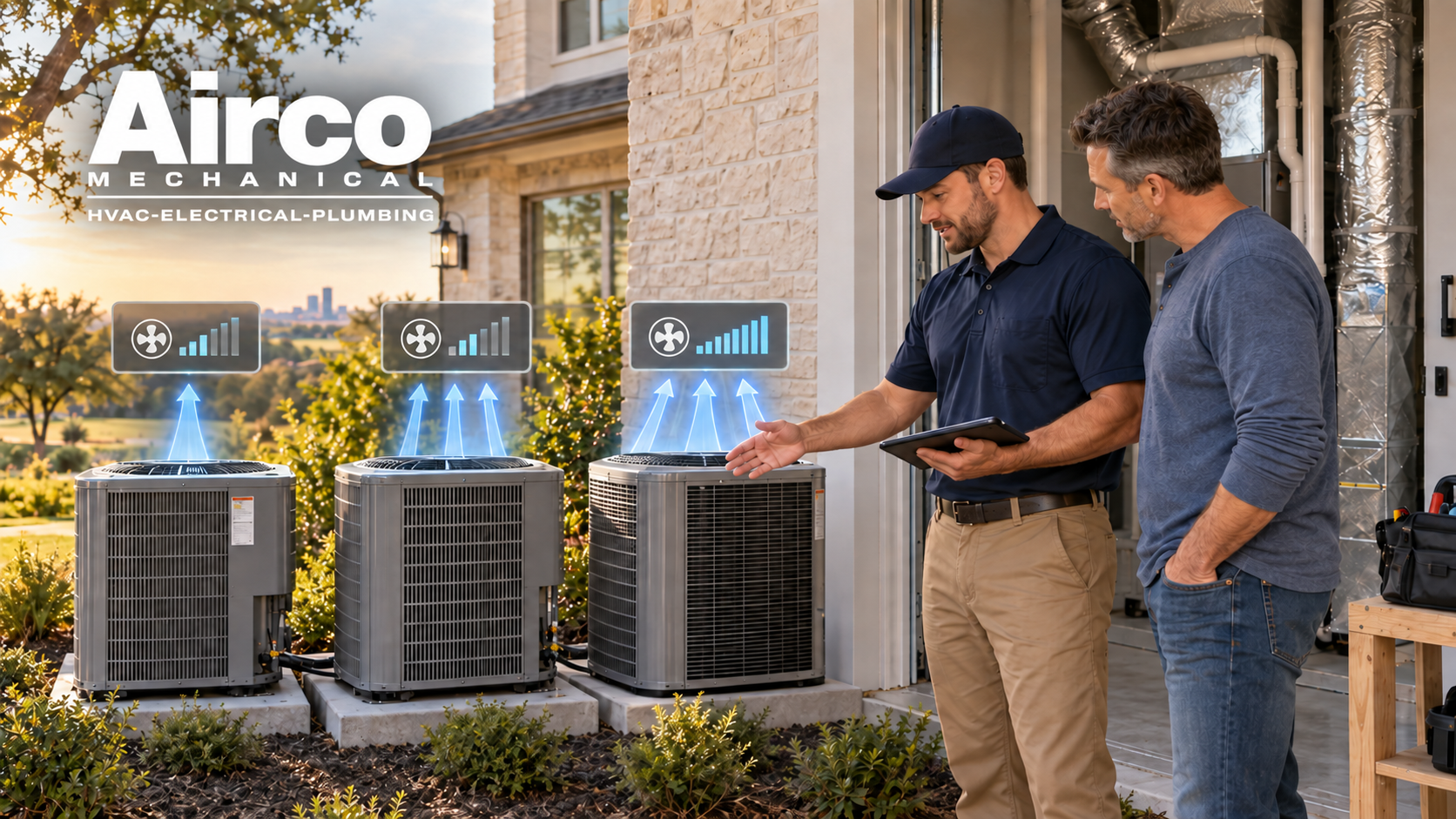
When winter temperatures plunge below freezing, not every heat pump for cold climates can keep your home warm and efficient. The good news? In 2025, technology has made cold climate heat pumps stronger, smarter, and more reliable than ever before.
Whether you live in Minnesota, Colorado, or upstate New York, choosing the best heat pump for cold climates can mean the difference between year-round comfort and constant frustration. This guide walks you through everything you need to know from advanced compressor types and SEER2 ratings to brand reliability and cost-saving rebates.
Why Cold Climates Need Specialized Heat Pumps
Most standard heat pumps start losing efficiency once outdoor temperatures drop below 35°F. That’s because the refrigerant struggles to extract heat from frigid air.
Heat Pump for Cold Climates, however, are engineered with advanced inverter compressors, vapor injection technology, and enhanced refrigerant flow allowing them to deliver reliable heat even when temperatures fall as low as -13°F.
These units also include:
- Variable-speed inverter compressors for adaptive performance
- Smart defrost cycles to prevent icing on coils
- Backup electric or gas heating integration for extreme cold
If you live in areas that experience long, harsh winters, investing in one of these heat pump for cold climates models isn’t just smart, it’s essential for efficiency, comfort, and reliability.
How to Choose the Best Heat Pump for Cold Climates
Before diving into models, it’s important to understand the core factors that make a system ideal for colder climates.
1. Compressor Type
Variable-speed or two-stage compressors are a must for steady heating in sub-zero conditions. Unlike single-stage models that turn on and off abruptly, variable-speed systems adjust capacity gradually, maintaining comfort while saving energy.
(You can learn more about how this technology compares in our guide on Variable-Speed vs Single-Stage Heat Pumps)
2. HSPF2 Rating (Heating Seasonal Performance Factor)
For cold climates, look for HSPF2 ratings above 10. The higher this number, the more efficiently your system can heat your home during long winters.
3. Defrost Efficiency
Frost accumulation can cripple performance. Modern heat pumps use intelligent defrost controls to minimize system downtime and maintain airflow.
4. Backup Heat Source Compatibility
Some homes pair their heat pump with an auxiliary electric or gas furnace, a system known as a dual-fuel setup to ensure dependable warmth even during extreme cold snaps.
5. SEER2 Rating and Energy Savings
While heating performance matters most, don’t ignore cooling efficiency. Models with SEER2 ratings of 20 or higher deliver year-round savings.
Top 5 Best Heat Pumps for Cold Climates in 2025
1. Mitsubishi Hyper-Heating H2i
- HSPF2: 12.0
- SEER2: 22.0
- Operating Range: -13°F
- Why It’s Great: Mitsubishi’s Hyper-Heating technology is specifically built for cold regions. It maintains 100% heating capacity down to extreme temperatures, making it a top pick for homeowners in northern states.
- Bonus: Exceptionally quiet operation and compatible with ductless and multi-zone setups.
2. Trane XV20i Variable Speed
- HSPF2: 10.0
- SEER2: 23.5
- Operating Range: -10°F
- Highlight: Uses TruComfort™ inverter technology for precise temperature control, ensuring you stay warm without excessive energy use.
- Why It Stands Out: Trane’s reliability and long-term performance make it one of the most dependable HVAC brands for cold climates.
3. Carrier Infinity 24 with Greenspeed Intelligence
- HSPF2: 11.5
- SEER2: 24.0
- Operating Range: -13°F
- Key Advantage: Carrier’s variable-speed compressor dynamically adjusts to your home’s heating needs, reducing wear while maintaining steady comfort.
- Perfect For: Homeowners seeking quiet, Energy Star-certified heating with top-tier efficiency.
4. Lennox SL25XPV
- HSPF2: 11.8
- SEER2: 24.0
- Operating Range: -10°F
- Why It’s Ideal: Lennox combines powerful inverter technology with a corrosion-resistant Quantum Coil great for humid or coastal cold climates.
- Downside: Higher cost for parts and professional service.
5. Daikin Fit Premium Cold Climate Model
- HSPF2: 10.5
- SEER2: 21.5
- Operating Range: -8°F
- Best Feature: Compact side-discharge design saves space without compromising performance.
- Bonus: Affordable entry-level cold-weather heat pump for smaller homes.
Energy Efficiency vs Cost in Cold Climates
When shopping for the best heat pump for cold climates, it’s crucial to balance efficiency with upfront investment.
| Model | Approx. Cost (Installed) | HSPF2 Rating | Energy Savings (vs 14 SEER baseline) |
| Mitsubishi H2i | $9,000–$12,000 | 12.0 | 40%+ |
| Carrier Infinity 24 | $10,000–$13,000 | 11.5 | 38% |
| Trane XV20i | $8,500–$11,000 | 10.0 | 35% |
| Lennox SL25XPV | $10,000–$12,000 | 11.8 | 36% |
| Daikin Fit Premium | $7,000–$9,000 | 10.5 | 32% |
While higher-end models cost more upfront, they deliver superior efficiency, lower noise, and longer lifespans often paying for themselves within 7–9 years.
Cold Climate Technology: What Sets These Systems Apart
The best heat pump for cold climates in 2025 relies on three main innovations:
- Inverter-Driven Compressors – These automatically adjust speed to maintain efficiency even during sub-zero conditions.
- Enhanced Vapor Injection (EVI) – Helps maintain heating capacity at very low temperatures.
- Cold-Resistant Lubricants and Coils – Prevent freezing and maintain refrigerant flow.
To explore how these technologies connect to overall dependability, you can read our in-depth pillar resource:
Best Picks For HVAC Units Heat Pump
Rebates and Incentives in 2025
Homeowners can save thousands through federal and state rebates for cold climate systems. Under the Inflation Reduction Act (IRA), qualifying models especially those certified by ENERGY STAR® Cold Climate may earn:
- Up to $2,000 federal tax credit
- Utility company rebates up to $1,500
- Potential state-level incentives for high-efficiency installations
To confirm eligibility and find certified cold-climate systems, visit the official ENERGY STAR Heat Pump for Cold Climates
Installation and Maintenance Considerations
Even the best heat pump for cold climates won’t perform well if poorly installed.
Here’s what matters most:
- Proper sizing and load calculations (Manual J)
- Correct refrigerant charge and airflow calibration
- Insulated ductwork and sealed returns
- Annual servicing by certified HVAC technicians
Regular maintenance ensures the compressor and coils perform optimally, preventing frost buildup and extending system life.
FAQs About Heat Pump for Cold Climates
Q1. Can a heat pump really work below 0°F?
Yes. Modern inverter-driven models like Mitsubishi H2i and Carrier Infinity 24 maintain high efficiency even down to -13°F.
Q2. Are heat pumps for cold climates more expensive?
They cost 20–30% more initially but offer 30–40% lower energy use, resulting in long-term savings.
Q3. Do I still need backup heat?
In extreme cold, yes. Dual-fuel systems with auxiliary heating provide reliability during deep freezes.
Q4. What’s the average lifespan?
Most last 12–15 years, provided they receive annual maintenance and firmware updates.
Q5. Which brand is the most reliable for heat pump for cold climates?
Carrier, Trane, and Mitsubishi consistently rank highest for reliability, efficiency, and long-term performance in northern climates.
Final Thoughts
Choosing the best heat pump for cold climates in 2025 is about balancing innovation with dependability.
If you prioritize maximum comfort, lower bills, and long-term reliability, models like the Carrier Infinity 24 or Mitsubishi Hyper-Heating H2i stand out as unbeatable options.
Do you have questions, or are you ready to start your next project? Explore our services at Airco Mechanical!