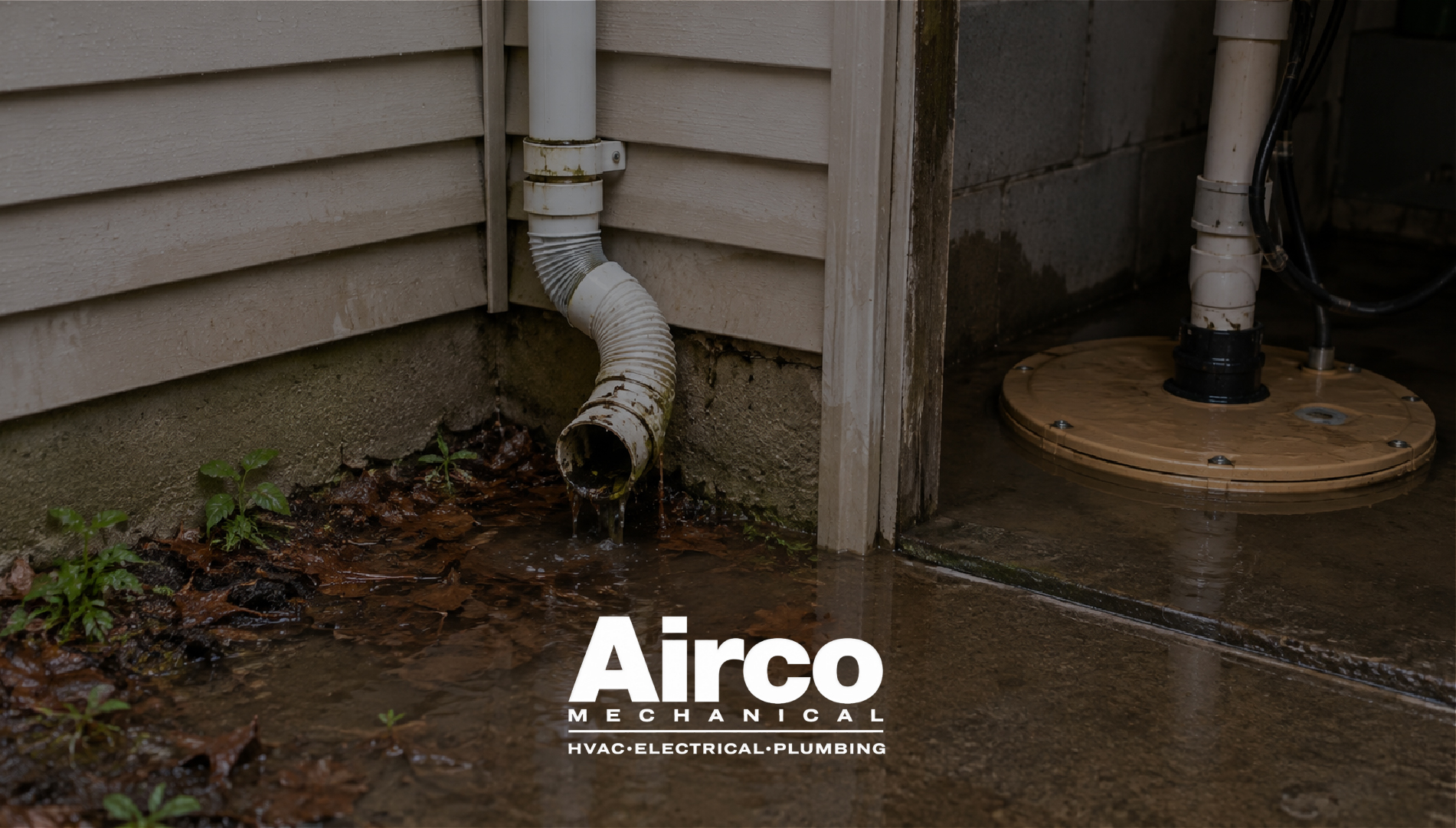
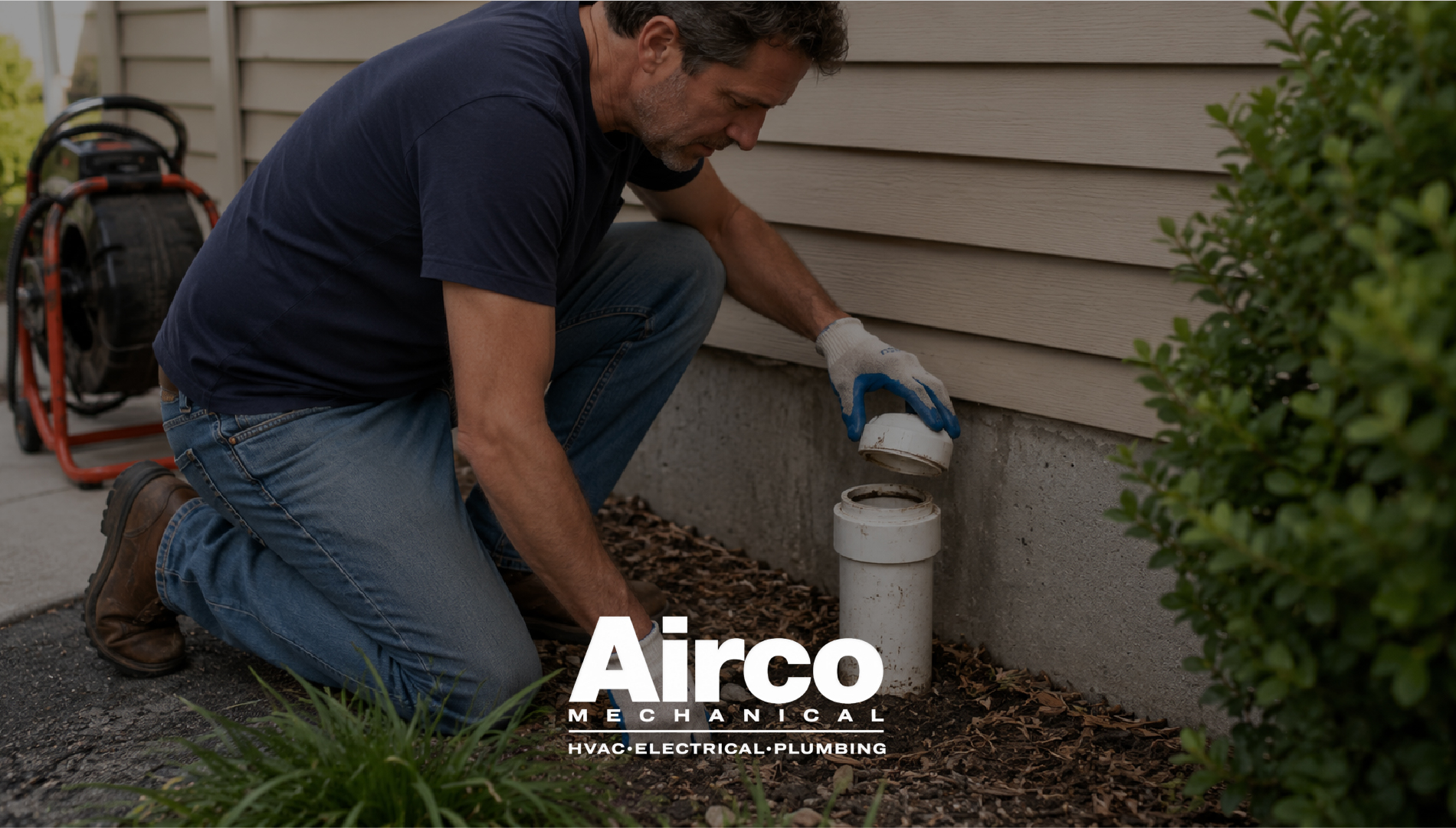
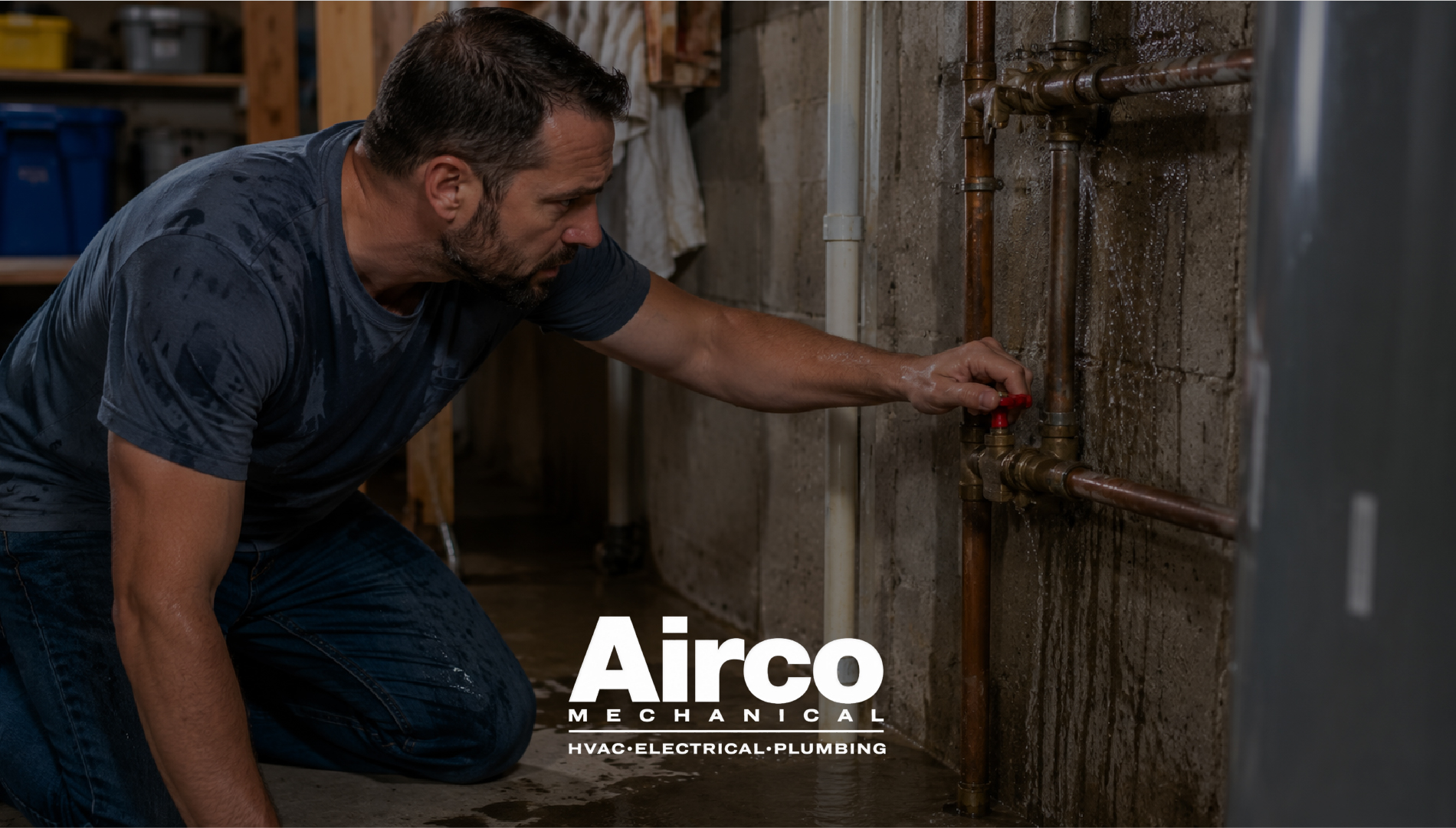
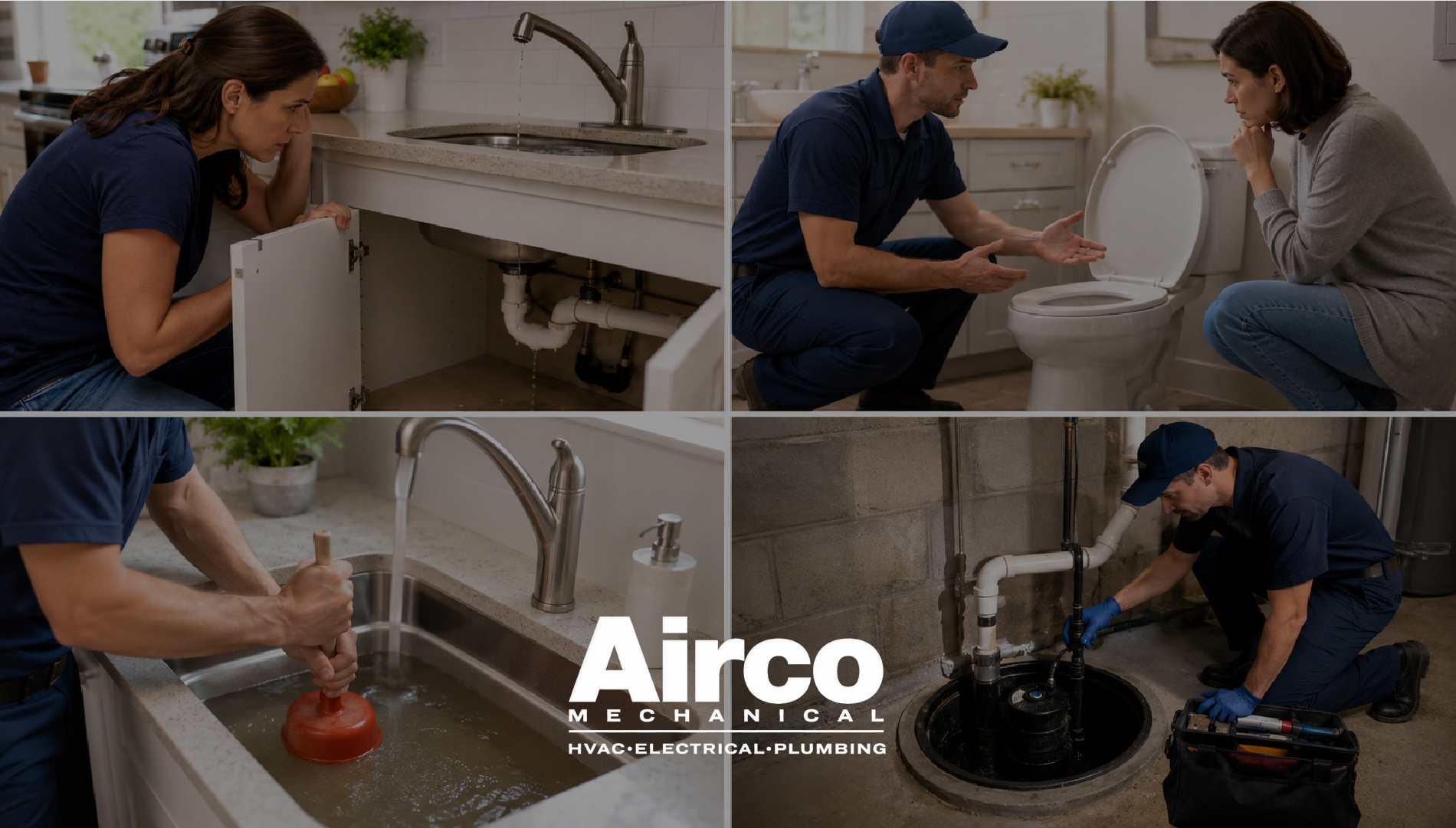
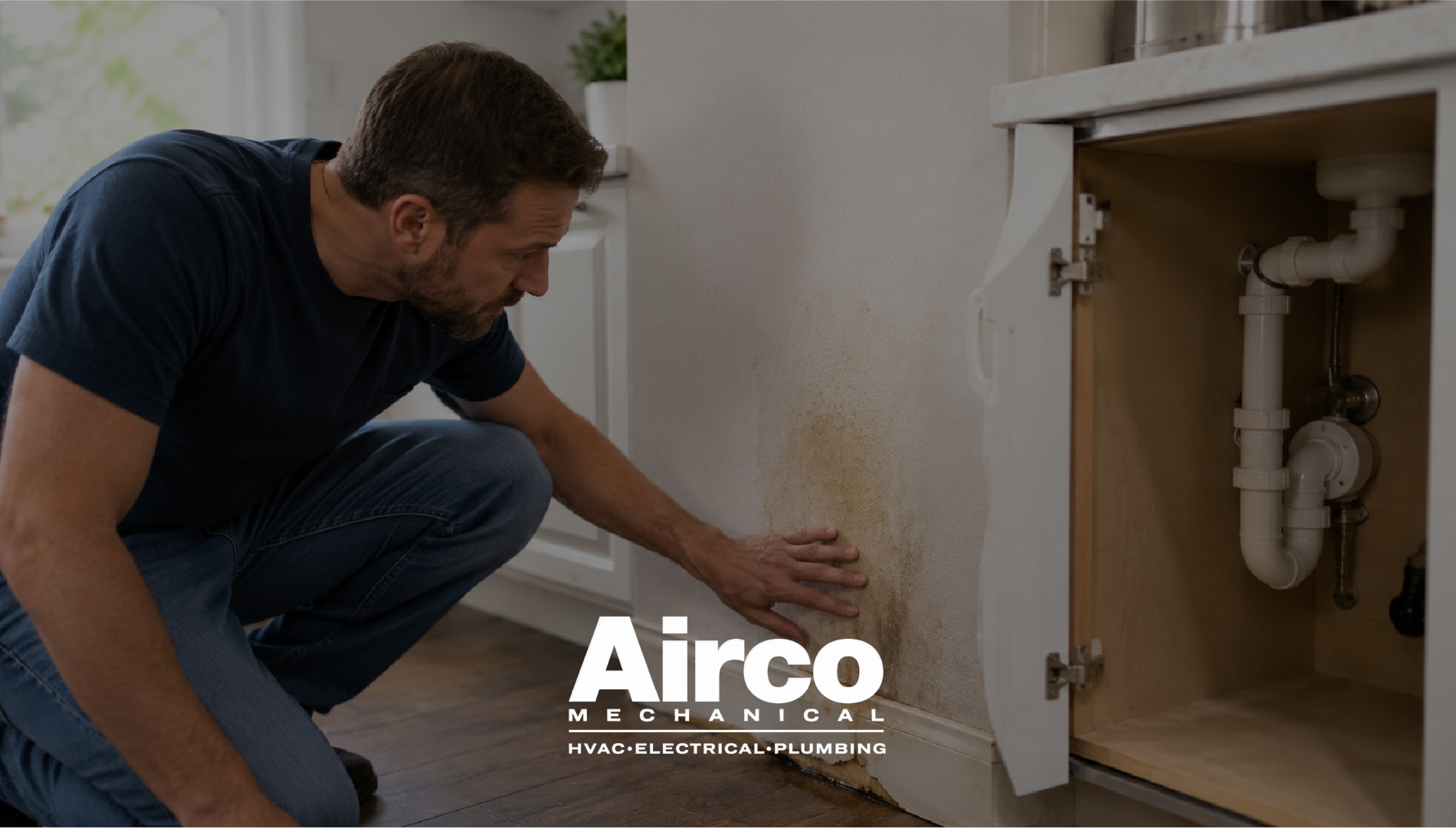
Knowing when to call a plumber can help homeowners prevent water damage, sewer backups, fixture failure, basement flooding, and costly emergency repairs. You should call a plumber when leaks return, toilets keep running, drains clog repeatedly, sewage backs up, water pressure drops suddenly, shutoff valves fail, sump pumps stop working, or water stains appear on walls, ceilings, or floors. Airco Mechanical provides professional kitchen plumbing, bathroom plumbing, drains and sewers, and sump pump services for homeowners.
Some simple checks are safe, such as cleaning a faucet aerator, checking a GFCI outlet near a disposal, or removing visible hair from a drain cover. However, plumbing work involving hidden leaks, sewer lines, pressurized pipes, valves, appliance water lines, sewage, or sump pump failure should be handled professionally. For complete home plumbing support, contact Airco Mechanical before a minor warning sign becomes serious damage.
The EPA WaterSense program reports that household leaks can waste nearly one trillion gallons of water annually nationwide, so early detection and repair are important. Its Fix a Leak Week guidance explains common leak sources and detection methods.
Why Timing Matters
Calling a plumber early can prevent:
- Cabinet damage
- Flooring damage
- Ceiling stains
- Mold-like odors
- Sewer contamination
- Appliance damage
- Basement flooding
- Higher water bills
- Pipe failure
- Emergency service costs
The best time to call is before water spreads or wastewater backs up.
When to Call a Plumber: Main Warning Signs
1. Water Is Leaking
Call if you see:
- Active dripping under sinks
- Water around toilet base
- Wet ceiling stains
- Water near appliances
- Damp walls
- Pipe corrosion with moisture
- Water around water heater
- Shutoff valve leaking
A small leak can cause hidden damage if it continues.
2. Drains Keep Clogging
One minor clog may be manageable. Recurring clogs need professional diagnosis.
Call If:
- Clog returns after cleaning
- Multiple drains are slow
- Drain gurgles
- Sewer odor appears
- Water backs up into tub or shower
- Plunger does not help
- Clog affects kitchen and bathroom fixtures
This may indicate deeper drain or sewer trouble.
3. Sewage Backs Up
Sewage backup is always a reason to call immediately.
Immediate Steps
- Stop using water
- Do not flush toilets
- Avoid contact with wastewater
- Keep children and pets away
- Call a plumber
Austin Water explains that blockages can cause wastewater to back up and overflow through drains, cleanouts, or manholes.
4. Toilet Keeps Running or Clogging
A running toilet may waste water. A toilet that clogs repeatedly may point to a fixture, drain, vent, or sewer issue.
Call If:
- Toilet runs after every flush
- Toilet refills randomly
- Toilet rocks at the base
- Water appears around toilet
- Multiple toilets clog
- Toilet bubbles when other fixtures drain
Professional bathroom plumbing service can help identify the cause.
5. Kitchen Sink or Disposal Problems Continue
Kitchen plumbing issues can involve sink drains, disposals, dishwasher hoses, refrigerator lines, and shutoff valves.
Call If:
- Disposal hums but does not turn
- Water backs up into sink
- Dishwasher does not drain
- Sink cabinet is wet
- Faucet base leaks
- Refrigerator line leaks
- Drain smells bad
Professional kitchen plumbing repair can prevent cabinet and flooring damage.
6. Water Pressure Drops Suddenly
Sudden pressure loss may indicate a leak, valve issue, pipe restriction, or main supply problem.
| Pressure Problem | Possible Cause |
|---|---|
| One fixture weak | Aerator, cartridge, local valve |
| Hot water weak | Water heater or hot line |
| Whole home weak | Main supply, regulator, hidden leak |
| Sudden drop | Pipe or supply issue |
| Pressure fluctuates | Valve or regulator problem |
A sudden whole-home pressure change should not be ignored.
7. Sewer Odors Continue
Sewer odors may come from dry traps, damaged drainpipes, blocked vents, failed toilet seals, or sewer-line problems.
Call If:
- Odor persists after running water
- Multiple rooms smell
- Odor comes from floor drain
- Toilet base smells
- Drain gurgles with odor
- Sewer smell appears outdoors
Professional drains and sewers service may be needed.
8. Sump Pump Fails or Sounds Wrong
A sump pump should be ready before heavy rain.
Call If:
- Pump does not turn on
- Basin fills too high
- Pump runs constantly
- Pump cycles rapidly
- Pump makes loud noises
- Backup battery alarm sounds
- Discharge line is clogged
- Basement feels damp
Professional sump pump service can help prevent flooding.
9. Shutoff Valve Will Not Close
A shutoff valve that does not work can turn a small leak into a large water-damage event.
Important Shutoff Valves
- Main water valve
- Sink valves
- Toilet valves
- Dishwasher valve
- Refrigerator line valve
- Washing machine valves
- Water heater valve
Call a plumber if any valve leaks, sticks, or fails to stop water.
10. Water Bill Increases Suddenly
A sudden water bill increase can indicate hidden leakage.
Possible Sources
- Running toilet
- Irrigation leak
- Pipe leak
- Dripping faucet
- Water heater leak
- Outdoor faucet leak
- Appliance hose leak
The EPA notes that average household leaks can account for nearly 10,000 gallons of water wasted every year.
11. Plumbing Problems Return After DIY Fixes
If a problem keeps returning, the visible symptom is probably not the root cause.
| Repeated Symptom | Possible Hidden Cause |
|---|---|
| Slow drain | Branch or sewer restriction |
| Dripping faucet | Worn valve body |
| Running toilet | Multiple tank parts failing |
| Low pressure | Hidden leak or regulator issue |
| Sewer odor | Vent or drain defect |
| Wet cabinet | Supply or drain leak |
Knowing when to call a plumber helps prevent repeat damage and wasted time.
12. You Are Installing or Replacing Fixtures
Professional installation is recommended for:
- Faucets
- Toilets
- Sinks
- Disposals
- Dishwashers
- Refrigerator lines
- Shower valves
- Sump pumps
- Drain piping
- Shutoff valves
Correct installation reduces leaks, drainage problems, and fixture failure.
Emergency vs. Scheduled Plumbing Service
| Issue | Scheduled Service | Emergency Service |
|---|---|---|
| Slow single drain | Yes | If wastewater backs up |
| Faucet drip | Yes | If water spreads |
| Running toilet | Yes | If shutoff fails |
| Sump pump maintenance | Yes | If flooding risk is active |
| Sewer odor | Prompt service | If sewage appears |
| Pipe leak | Prompt service | If water cannot be stopped |
| Low pressure | Yes | If sudden with water damage |
| Valve replacement | Yes | If valve fails during leak |
Prevention: Call Before It Becomes an Emergency
Homeowners should not wait for a complete failure.
Preventive Reasons to Call
- Home is older
- Plumbing has not been inspected
- Drains clog frequently
- Sump pump is untested
- Shutoff valves are old
- Fixtures are corroded
- Water pressure is inconsistent
- Renovations are planned
- Appliances are being replaced
The best answer to when to call a plumber is often: when the symptom appears more than once or involves water damage risk.
Conclusion
Plumbing problems can move quickly from small inconvenience to costly damage. Leaks, recurring clogs, sewer odors, sewage backups, low pressure, running toilets, kitchen drainage issues, sump pump failure, and broken shutoff valves should be handled early.
If you are unsure when to call a plumber, contact Airco Mechanical. Their residential plumbing team can inspect the issue, explain the cause, and provide repair, replacement, installation, or maintenance support to protect your home.
FAQs
1. Should I call a plumber for a slow drain?
Yes, if it returns often, affects multiple drains, smells bad, or causes backups.
2. Is a leaking faucet urgent?
It may not be an emergency, but it should be repaired to prevent water waste and worsening damage.
3. When is a toilet problem serious?
Call if it runs constantly, clogs repeatedly, leaks at the base, or affects other drains.
4. Should I call for sewer odor?
Yes, especially if the odor persists or appears in multiple rooms.
5. When should a sump pump be serviced?
Service it before heavy rain seasons or anytime it fails testing, makes noise, or does not activate.