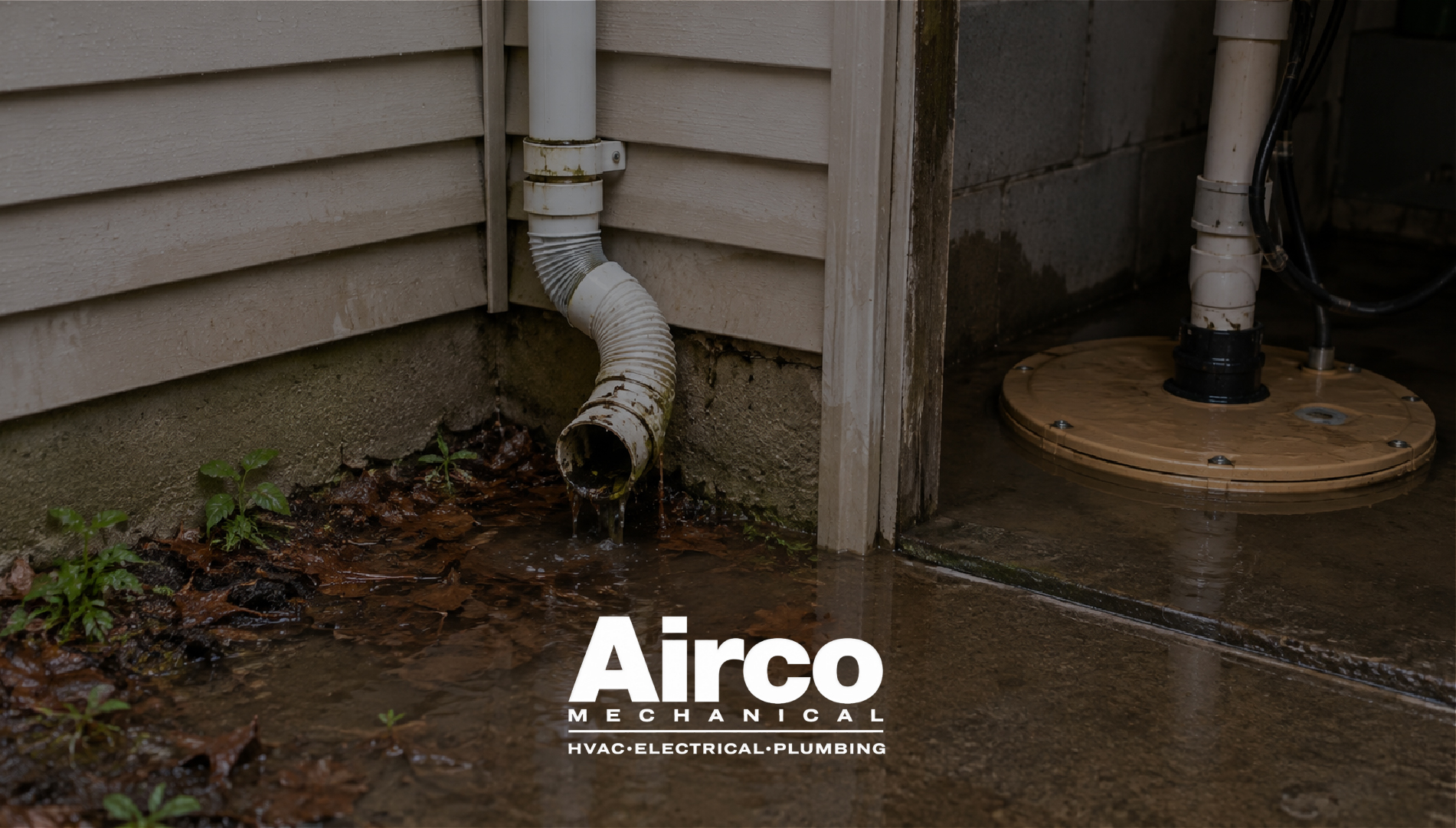
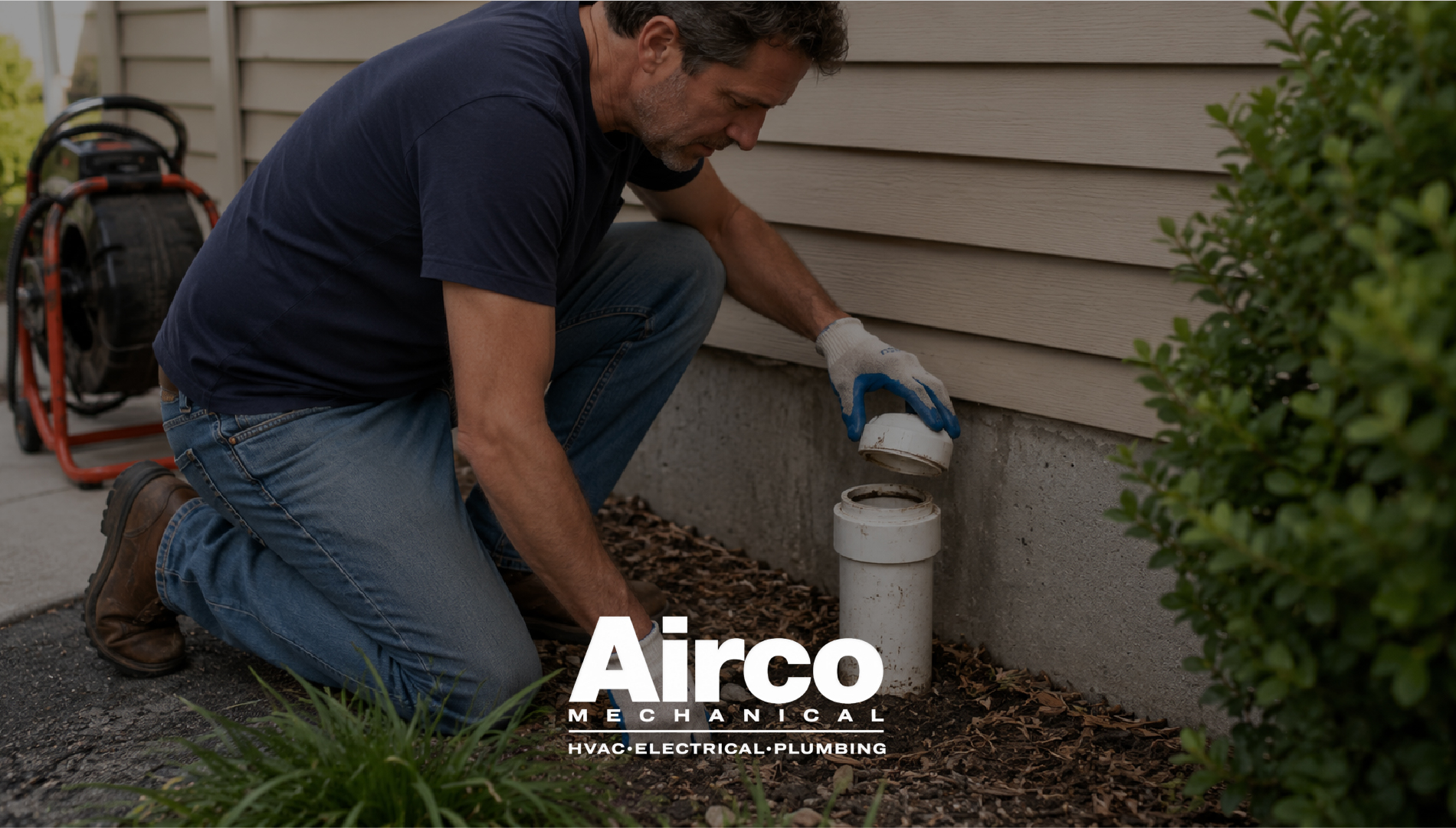
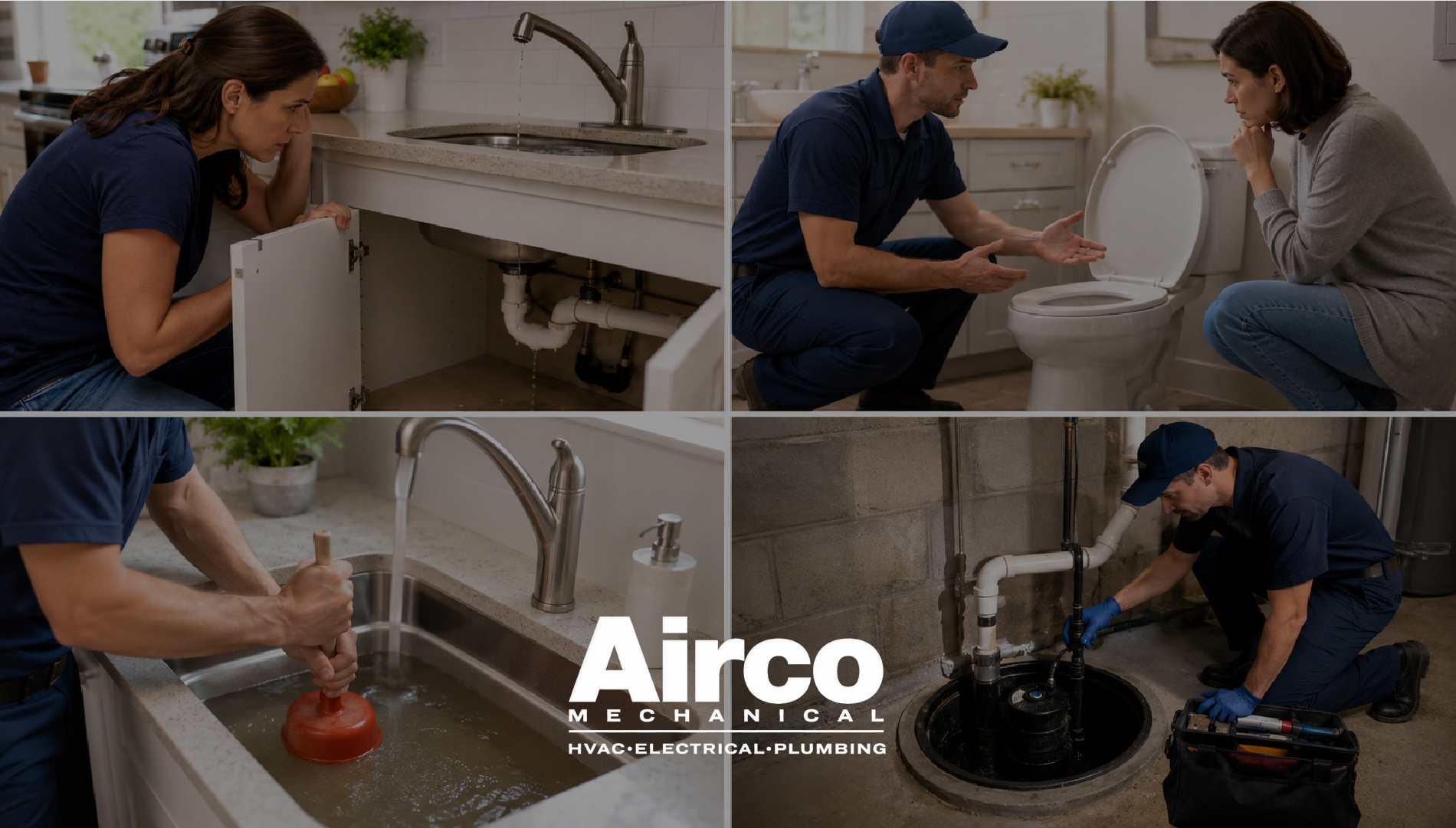
Emergency Plumbing: 7 Critical Steps to Transform Disaster Into Control When Pipes Burst
Emergency plumbing situations can escalate within minutes when a pipe bursts, causing water damage, structural risks, and costly repairs. Knowing how to respond during an emergency plumbing event — including shutting off water, protecting electrical systems, draining remaining water, and contacting professionals for proper home plumbing setup and installation — can significantly reduce damage and restore safety quickly. Acting fast is the difference between minor repair and major restoration.
What Is Emergency Plumbing?
Emergency plumbing refers to urgent plumbing situations that require immediate action to prevent structural damage, flooding, mold growth, or safety hazards.
Common emergency plumbing incidents include:
- Burst pipes
- Major leaks
- Sewer backups
- Overflowing fixtures
- Frozen pipe ruptures
Among these, burst pipes are one of the most destructive plumbing failures homeowners face.
Why Pipes Burst
Understanding pipe bursts helps reduce future risk.
Primary Causes
- Freezing temperatures (water expands when frozen)
- Corrosion inside aging pipes
- Excessive water pressure
- Poor installation
- Clogs increasing internal pressure
- Tree root intrusion
Water pressure above 80 PSI significantly increases failure risk.
| Cause | Risk Level | Preventability |
| Frozen pipes | High | Yes |
| Corrosion | Medium–High | Yes |
| High water pressure | High | Yes |
| Physical damage | Medium | Yes |
| Poor installation | High | Yes |
Improper venting can also stress systems over time. Learn more about the importance of proper drain venting and how it protects plumbing infrastructure.
Emergency Plumbing: What to Do Immediately When Pipes Burst
When dealing with emergency plumbing, follow these steps immediately:
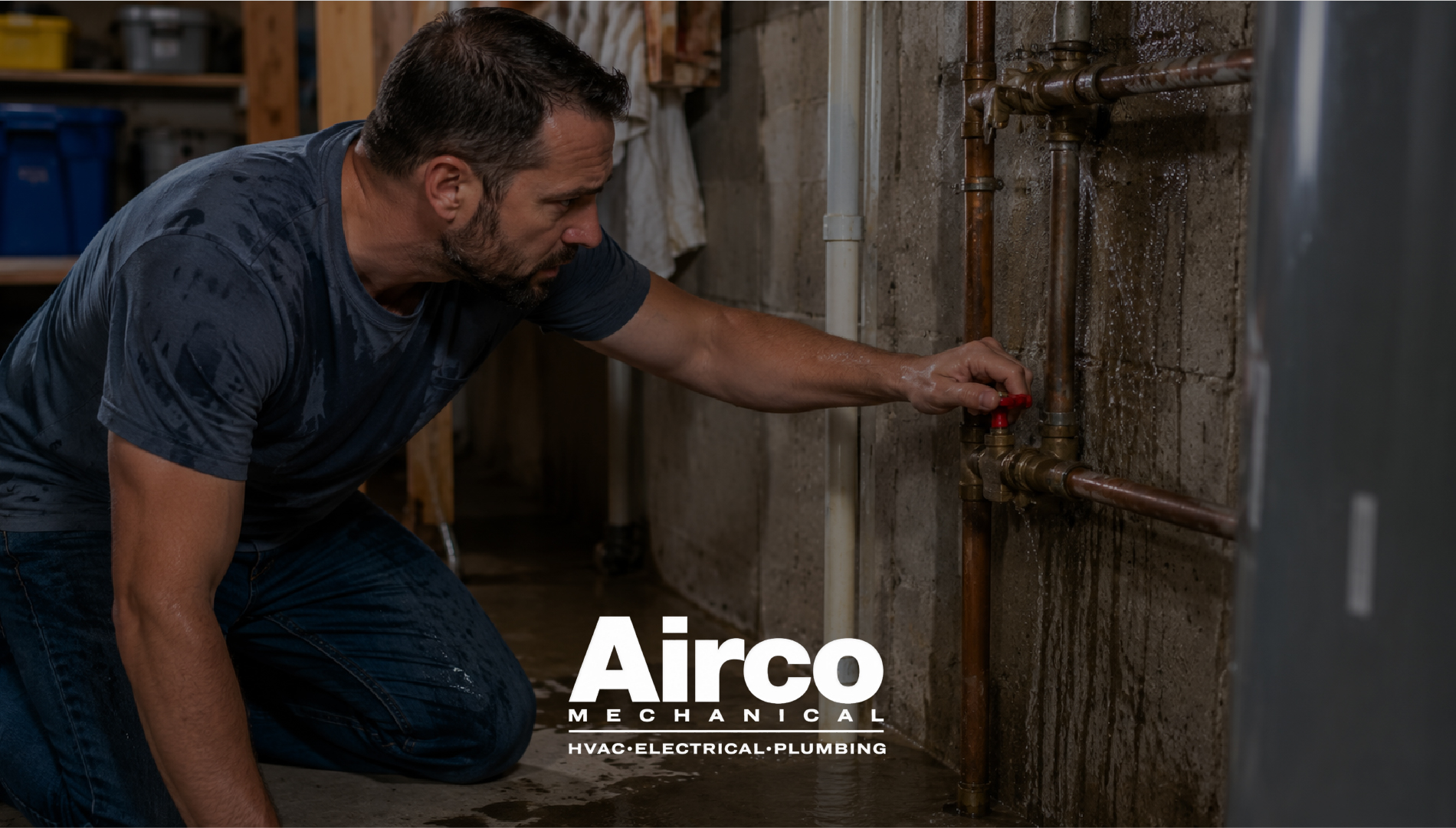
1. Shut Off the Main Water Supply
Locate the main shut-off valve (usually near the water meter or basement entry point).
Why this matters:
Stops water flow instantly and limits flooding.
2. Turn Off Electricity in Affected Areas
If water is near outlets or appliances:
- Shut off breakers
- Avoid standing water
- Do not touch electrical devices
Safety comes first during any emergency plumbing situation.
3. Drain Remaining Water
Open all faucets:
- Flush toilets
- Turn on cold taps first
- Then hot taps
This relieves pressure and empties lines.
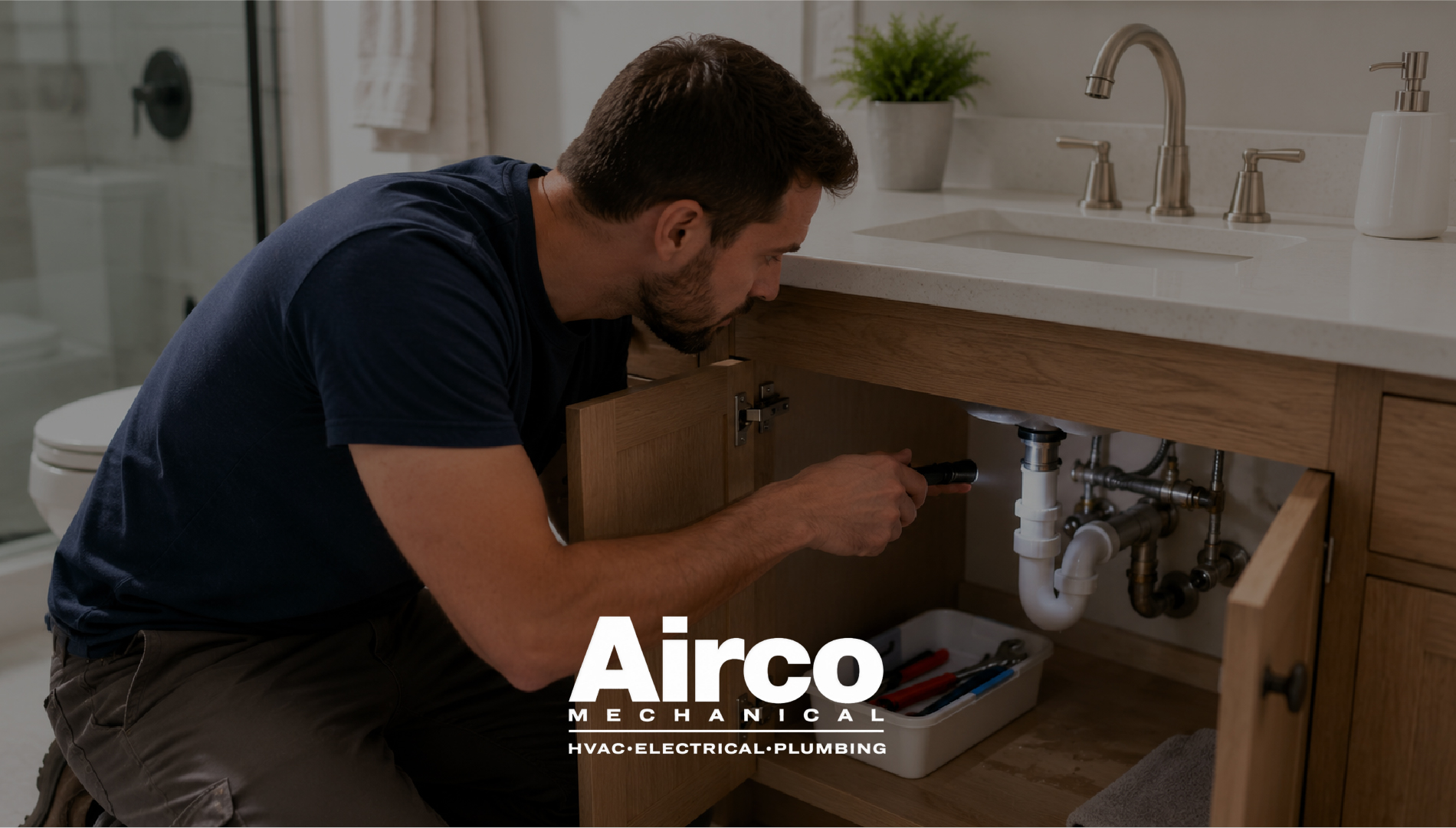
4. Locate the Burst Pipe
Check for:
- Visible cracks
- Bulging sections
- Corroded joints
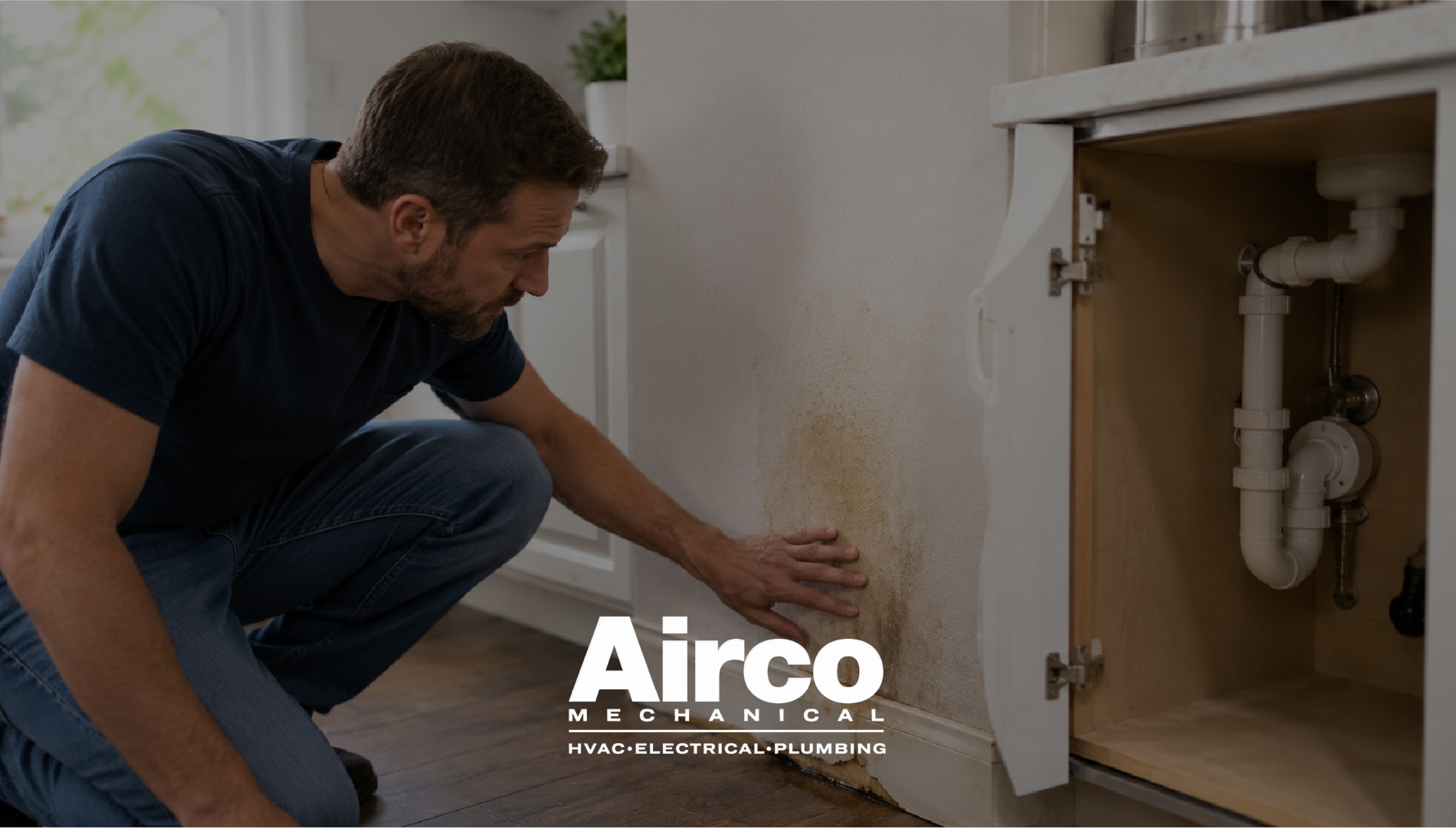
- Wet drywall or ceilings
Temporary patching can reduce leaking until professionals arrive.
5. Contain the Water Damage
Use:
- Buckets
- Towels
- Wet/dry vacuum
- Fans and dehumidifiers
The faster moisture is removed, the lower the mold risk.
6. Call a Professional Emergency Plumbing Service
Even if the leak appears small, hidden structural damage may exist behind walls or under floors. Professional inspection ensures long-term safety.
Immediate vs Delayed Action
| Response Time | Likely Damage |
| Within 5 minutes | Minimal structural impact |
| Within 30 minutes | Flooring and drywall damage |
| 1–2 hours | Mold risk begins |
| 24 hours | Major structural compromise |
Quick emergency plumbing response dramatically reduces total repair costs.
Signs You May Have a Hidden Burst Pipe
Sometimes burst pipes are not immediately visible.
Watch for:
- Sudden drop in water pressure
- Water stains on ceilings
- Musty odors
- Unexpectedly high water bills
- Warped flooring
These subtle signs often indicate internal damage.
Long-Term Prevention Strategies
Preventing emergency plumbing scenarios requires proactive measures.
1. Insulate Pipes
Especially in:
- Basements
- Attics
- Exterior walls
2. Monitor Water Pressure
Install a pressure regulator to maintain 40–60 PSI.
3. Replace Aging Pipes
Older homes with galvanized steel piping are more vulnerable.
4. Install Leak Detection Systems
Smart sensors automatically shut off water when leaks occur.
5. Schedule Regular Inspections
Professional evaluations identify corrosion or weak joints before failure.
For official water damage safety guidance, refer to FEMA’s flood safety recommendations
The Cost of Ignoring Emergency Plumbing
Ignoring burst pipes can lead to:
- Mold growth within 24–48 hours
- Structural weakening
- Electrical hazards
- Insurance complications
- Foundation damage
What begins as a small leak can escalate into thousands of dollars in repairs.
When to Call for Immediate Emergency Plumbing Help
Call immediately if:
- Water is actively flooding
- Ceiling begins sagging
- Electrical panels are exposed
- Sewage is backing up
- Pipe rupture is visible
Professional emergency plumbing technicians have specialized tools for detection, repair, and full system restoration.
Conclusion
Burst pipes are among the most damaging plumbing emergencies homeowners face. Acting quickly — shutting off water, protecting electrical systems, draining pipes, and calling professional emergency plumbing experts — can significantly reduce damage and restore safety.
Don’t wait for small leaks to become disasters.
If you’re facing an urgent plumbing issue or want preventative inspection services, contact Airco Mechanical today. Our experienced team is ready to respond quickly and protect your home from costly damage.
5 Short FAQs
- How do I know if a pipe burst behind a wall?
Look for stains, bubbling paint, or sudden water pressure loss. - Can a small crack cause major damage?
Yes. Even minor leaks can lead to mold and structural weakening. - Should I attempt DIY pipe repair?
Temporary patches are fine, but professional repair is essential. - How quickly does mold grow after a burst pipe?
Within 24–48 hours in moist environments. - Does homeowners insurance cover burst pipes?
Often yes, but coverage depends on policy and maintenance history.