Your home’s drainage system is designed to move wastewater smoothly and efficiently. But when buildup, clogs, or pipe issues begin developing silently, your drains send early warning signals—signals most homeowners overlook until the problem becomes expensive. Recognizing these drain cleaning signs early allows you to prevent backups, water damage, and costly repairs.
1. Slow-Moving Drains Throughout the Home
A single slow drain often indicates localized buildup. But when multiple drains—such as the kitchen sink, bathroom sink, shower, or laundry room—start draining slowly at the same time, it’s a sign of a deeper blockage in the main sewer line.
Common causes include:
- Grease accumulation
- Soap scum and hair
- Mineral buildup
- Tree root intrusion
- Foreign objects lodged in the drain
If your drains are taking longer than usual to clear, you’re likely dealing with a progressive clog that requires professional cleaning—not just a DIY chemical solution.
2. Frequent Clogging or Recurring Backups
If you’re unclogging the same drain repeatedly, that’s a red flag. Temporary fixes only clear surface-level obstructions. The underlying cause—usually deeper in the pipe—continues to grow until a full blockage forms.
Typical reasons for recurring clogs:
- Collapsed or damaged pipes
- Deep blockages unreachable with basic tools
- FOG (fat, oil, grease) buildup
- Structural sewer issues
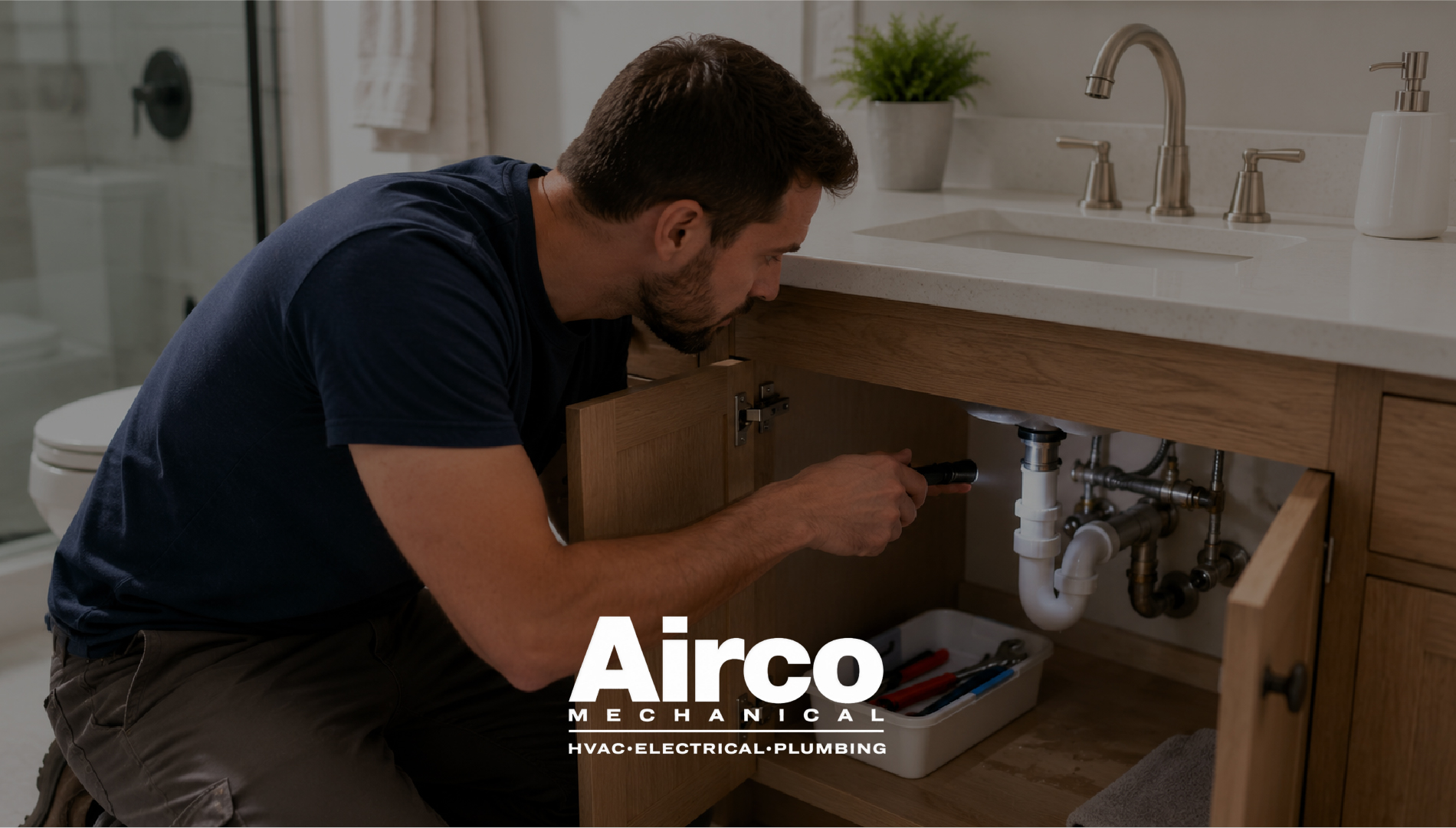
A professional plumber can perform a camera inspection, identify the root cause, and recommend whether standard drain cleaning or advanced cleaning like hydro jetting is required. Learn more about this powerful method by reading what is hydro jetting.
3. Unpleasant Odors Coming From Drains
Persistent foul smells coming from your drains typically indicate:
- Organic waste buildup
- Sewer gas escaping through damaged piping
- Bacterial growth inside the drain line
- A failing P-trap
These odors are not only unpleasant but can signify a serious hygiene issue inside your plumbing system. Professional cleaning removes deep debris and sanitizes the internal pipe walls.
4. Gurgling Noises or Air Bubbles in Fixtures
Gurgling or bubbling sounds usually occur when air gets trapped due to blockages. When water struggles to move past a clog, it forces air back up through the drain.
You may hear gurgling in:
- Toilets
- Bathroom sinks
- Bathtubs
- Shower drains
These noises typically indicate a developing clog or improper venting—and both require professional diagnosis.
5. Water Backing Up Into Other Fixtures
One of the most concerning signs of drain or sewer problems is water backing up in another fixture. For example:
- Running your washing machine causes water to rise in the shower
- Flushing a toilet makes the sink bubble
- Using the kitchen sink fills the bathtub with dirty water
This is a strong indicator of a sewer line blockage that cannot be fixed with plungers or chemicals. You need a licensed professional immediately.
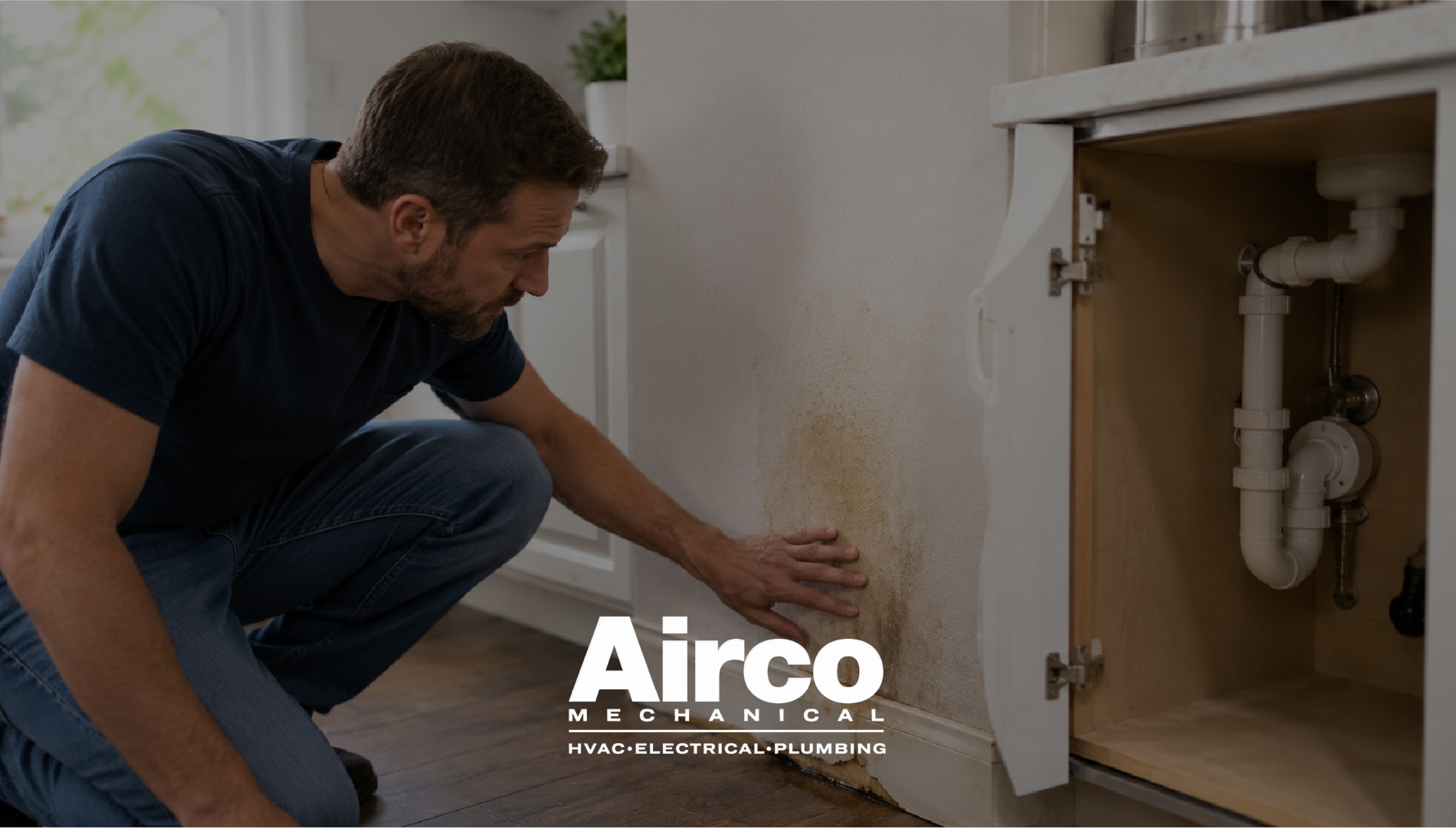
6. Mold Growth or Moist Areas Near Drains
Moisture seeping from damaged drain lines can cause mold growth around walls, floors, or cabinetry. Even a small crack in the pipe can cause enough leakage to create long-term damage.
If you spot mold around drain areas, it’s time for a drain and sewer inspection and cleaning.
7. Increase in Pest Activity Around Drains
Drain flies, cockroaches, and sewer pests thrive in dirty or partially clogged drains. If pests congregate around sinks or floor drains, the organic buildup inside your pipes is likely attracting them.
A professional cleaning eliminates the buildup that pests rely on.
Signs & What They Typically Mean
| Sign | Possible Issue | Severity Level | Recommended Action |
| Slow drains | Pipe buildup, grease | Moderate | Professional drain cleaning |
| Gurgling noises | Air trapped due to clogs | High | Full inspection & cleaning |
| Bad smells | Bacteria, sewer gas | High | Drain sanitizing + cleaning |
| Frequent clogs | Deep blockage | High | Hydro jetting |
| Water backups | Main sewer blockage | Critical | Immediate professional service |
When to Call a Professional
If any of these issues are recurring, worsening, or happening in multiple drains, your home likely needs a full drain line cleaning. Working with an experienced drains and sewers cleaning company ensures proper inspection, advanced cleaning tools, and long-term prevention strategies.
FAQs
1. What is the most common sign that I need drain cleaning?
The most common sign you need drain cleaning is slow drainage in sinks, tubs, or showers. When water takes longer to move through your plumbing, it usually means buildup is starting to restrict flow. Early drain cleaning helps prevent full clogs, foul smells, and pipe damage.
2. Are chemical drain cleaners safe to use?
Chemical drain cleaners are not a safe long-term solution. They contain harsh ingredients that can weaken or damage your pipes. Professional drain cleaning uses safe mechanical tools that remove clogs completely without harming your plumbing system.
3. How often should drains be professionally cleaned?
Most homes benefit from professional drain cleaning every 12 to 18 months. The ideal frequency depends on household size and plumbing usage. Routine drain cleaning prevents tough clogs, keeps water flowing properly, and extends the life of your pipes.
4. Is hydro jetting better than snaking?
Hydro jetting is often the better option for thorough drain cleaning. Snaking removes only the immediate blockage, while hydro jetting uses high-pressure water to clean the full pipe diameter. This removes grease, sludge, roots, and buildup for longer-lasting results.
5. Can I prevent clogs myself?
You can reduce clogs with simple habits like using strainers, avoiding grease, and running hot water regularly. These steps help maintain your drains, but professional drain cleaning is still required for deep or stubborn blockages.
6. How long does professional drain cleaning take?
Most professional drain cleaning appointments take 30 to 90 minutes depending on the blockage. Simple clogs clear quickly, while heavier buildup or root intrusion may take longer. A professional ensures the drain is fully cleaned and restored.
7. What happens if I delay professional drain cleaning?
Delaying professional drain cleaning can lead to bigger problems like complete blockages, sewer backups, water damage, mold growth, and costly pipe repairs. Early drain cleaning removes buildup before it hardens or spreads through the system, helping you avoid major plumbing emergencies and expensive restoration work.