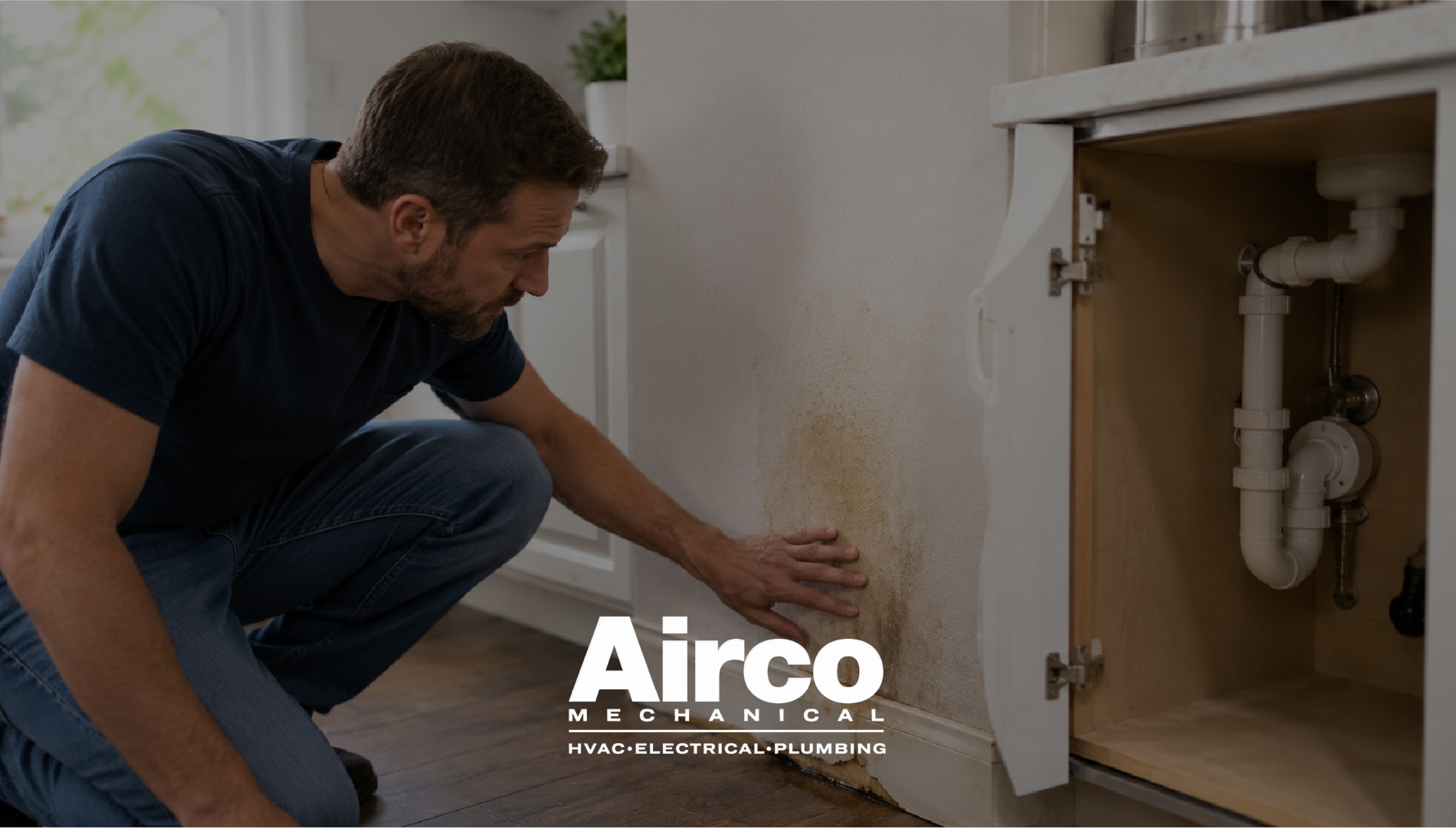
From sudden freezes to heavy rainstorms, extreme weather events can wreak havoc on your home’s plumbing system. Burst pipes, sewer backups, and flooding are all too common when systems aren’t prepared. By following proven plumbing strategies for extreme weather, homeowners can safeguard their property, save money on costly repairs, and maintain year-round peace of mind.
In this guide, we’ll explore 8 essential plumbing strategies for extreme weather and how to keep your system running smoothly no matter what Mother Nature brings.
Insulate Your Pipes for Cold Weather Protection
One of the most common problems homeowners face during winter is frozen or burst pipes. When water freezes inside pipes, it expands and causes immense pressure that can split even durable piping.
Effective strategies to prevent frozen pipes include:
- Pipe insulation: Wrap exposed pipes in basements, crawl spaces, attics, and garages with foam insulation sleeves.
- Heat tape or heating cables: Apply electric heat tape for pipes in unheated areas.
- Seal air leaks: Prevent cold air from entering through cracks near plumbing lines.
These simple but critical plumbing strategies for extreme weather can prevent costly water damage and emergency repairs. Insulation doesn’t just protect pipes; it also improves energy efficiency, lowering utility bills.
Pro Tip: When extreme cold is forecast, leave a trickle of water running in faucets to keep water moving and reduce freezing risk.
Install a Sump Pump to Prevent Basement Flooding
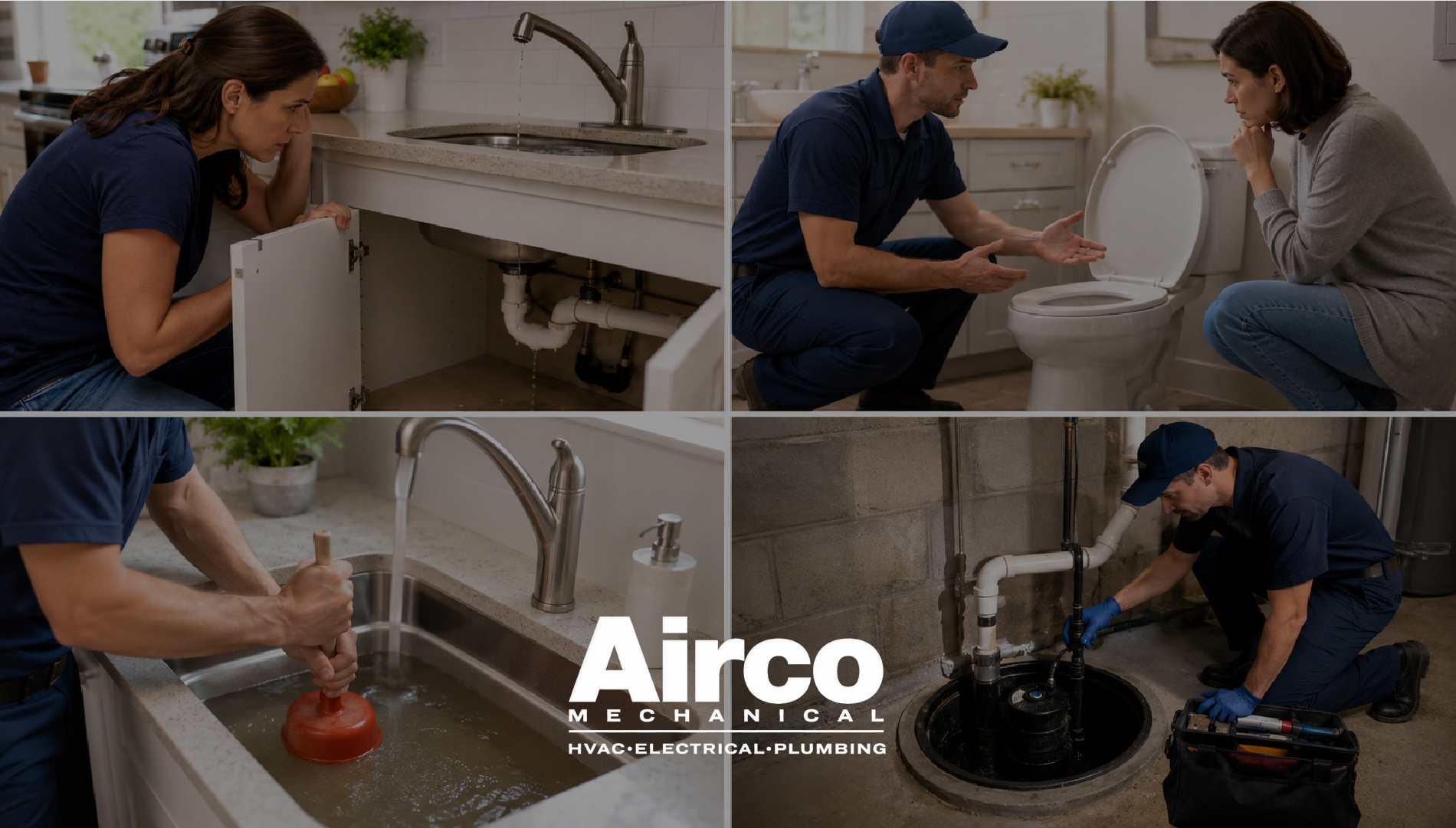
Heavy rain and snowmelt can overwhelm your home’s drainage system, leading to flooded basements. Installing a sump pump is one of the smartest plumbing strategies for extreme weather, particularly for homes in flood-prone areas.
Key benefits of a sump pump include:
- Redirecting water away from your foundation.
- Preventing basement flooding and mold growth.
- Protecting valuable appliances like furnaces and water heaters.
For maximum reliability, homeowners should also consider installing a battery backup sump pump. This ensures your pump keeps working even during a power outage, which often occurs during storms. There’s more you can learn about plumbing strategies for extreme weather.
Learn more about our Sump Pump Installation Services.
Also, The Federal Emergency Management Agency (FEMA) highlights sump pumps as an effective flood-prevention measure for residential properties.
Inspect and Maintain Your Sewer Line
During storms or rapid snowmelt, sewer systems can become overloaded, leading to backups inside your home. Not only is this unpleasant, but it also poses serious health hazards. Preventing this requires proactive plumbing strategies for extreme weather that focus on your sewer line.
Steps to protect your sewer system include:
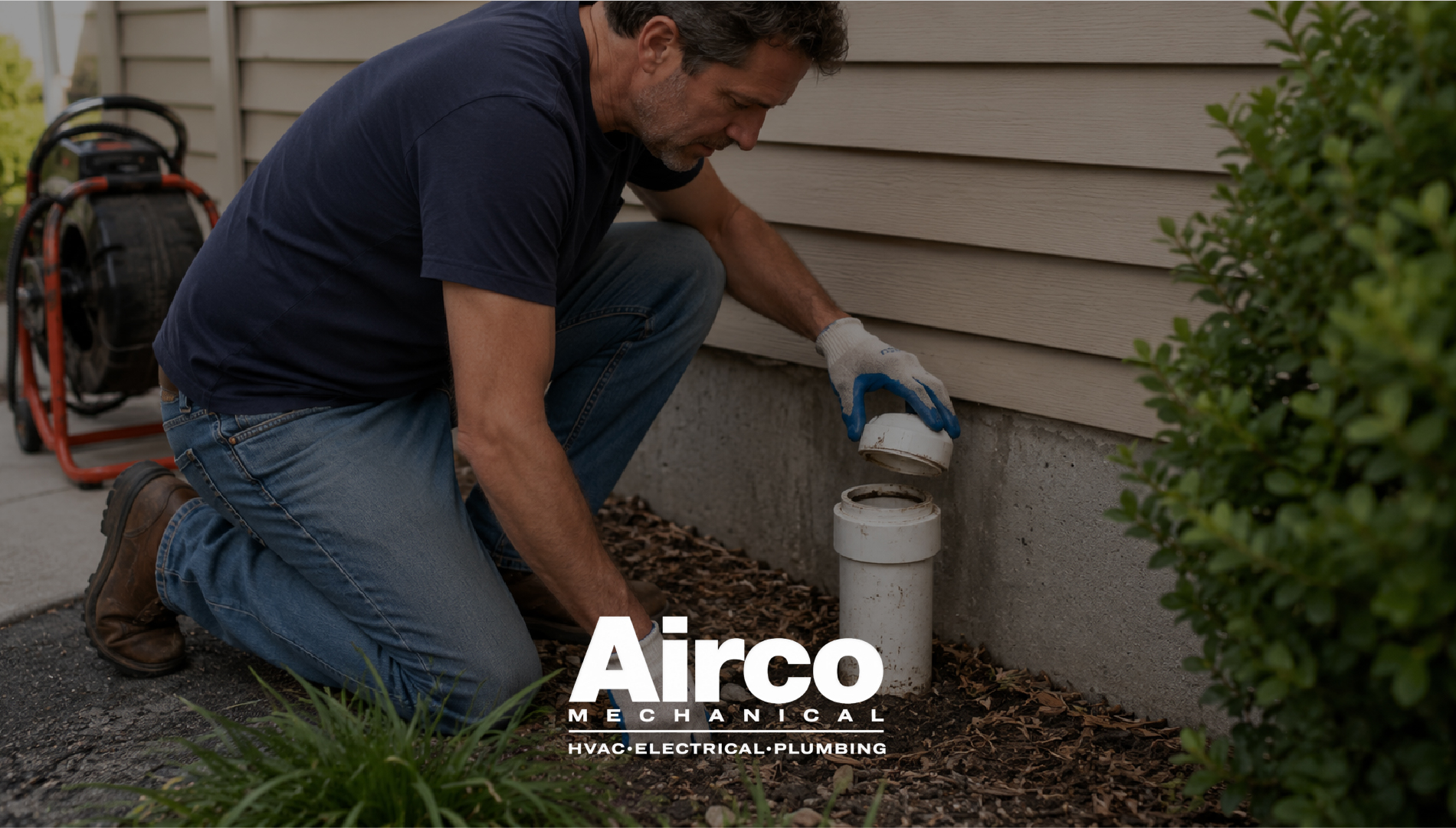
- Regular inspections: Hire a licensed plumber to perform a video camera inspection of your sewer line at least once every two years.
- Tree root control: Roots often invade sewer pipes, especially older clay or cast-iron lines. Professional root removal can prevent costly blockages.
- Backwater valve installation: This device prevents sewage from flowing backward into your home during heavy rain.
If you notice slow drains, gurgling toilets, or foul odors, these are early warning signs of sewer problems. Addressing them quickly is far more cost-effective than waiting for a full backup.
For related advice, check out our blog on 5 Signs Your Home’s Drain and Sewer System Needs Professional Attention.
Check Outdoor Drains and Gutters
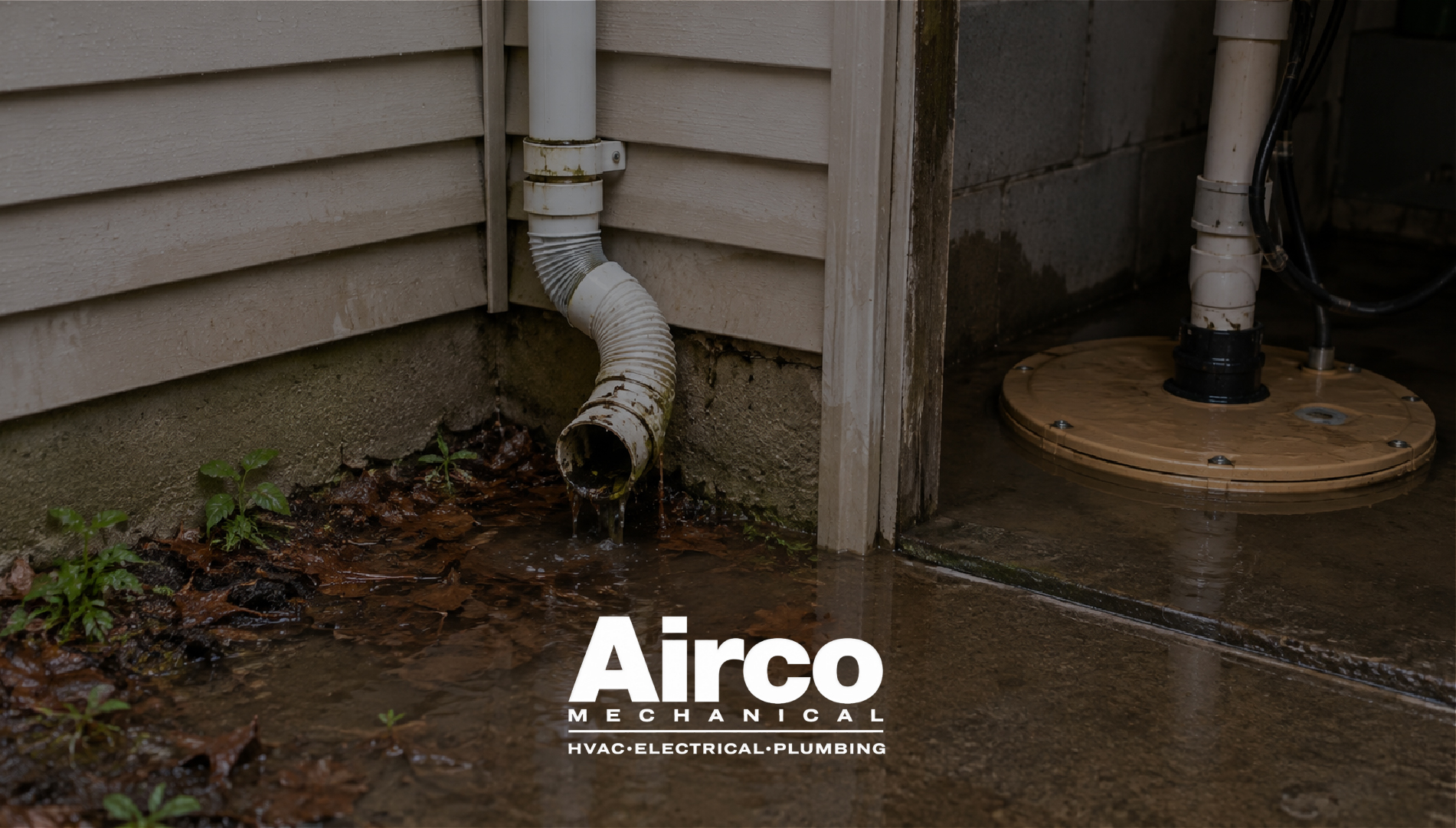
When extreme weather brings heavy rainfall, clogged drains and gutters are often the first culprits behind flooding around your property. If water cannot flow freely away from your home, it will pool near the foundation and eventually seep into your basement or crawlspace.
Plumbing strategies for extreme weather should always include outdoor maintenance. Here’s what you can do:
- Clean gutters and downspouts regularly to remove leaves, dirt, and debris that block water flow.
- Install gutter guards to reduce buildup and minimize cleaning.
- Check slope and grading around your home to ensure water drains away from the foundation.
- Inspect outdoor drains to make sure they are free of obstructions.
By keeping drainage systems clear, you reduce the risk of structural damage and foundation cracks caused by pooling water. Homeowners often overlook outdoor drains until a storm hits but routine upkeep can prevent costly surprises.
Protect Outdoor Plumbing Fixtures
Outdoor faucets, sprinkler systems, and garden hoses are highly vulnerable during freezing weather. If left unprotected, water trapped inside these fixtures can freeze, expand, and damage your plumbing lines.
To safeguard outdoor plumbing, consider these plumbing strategies for extreme weather.
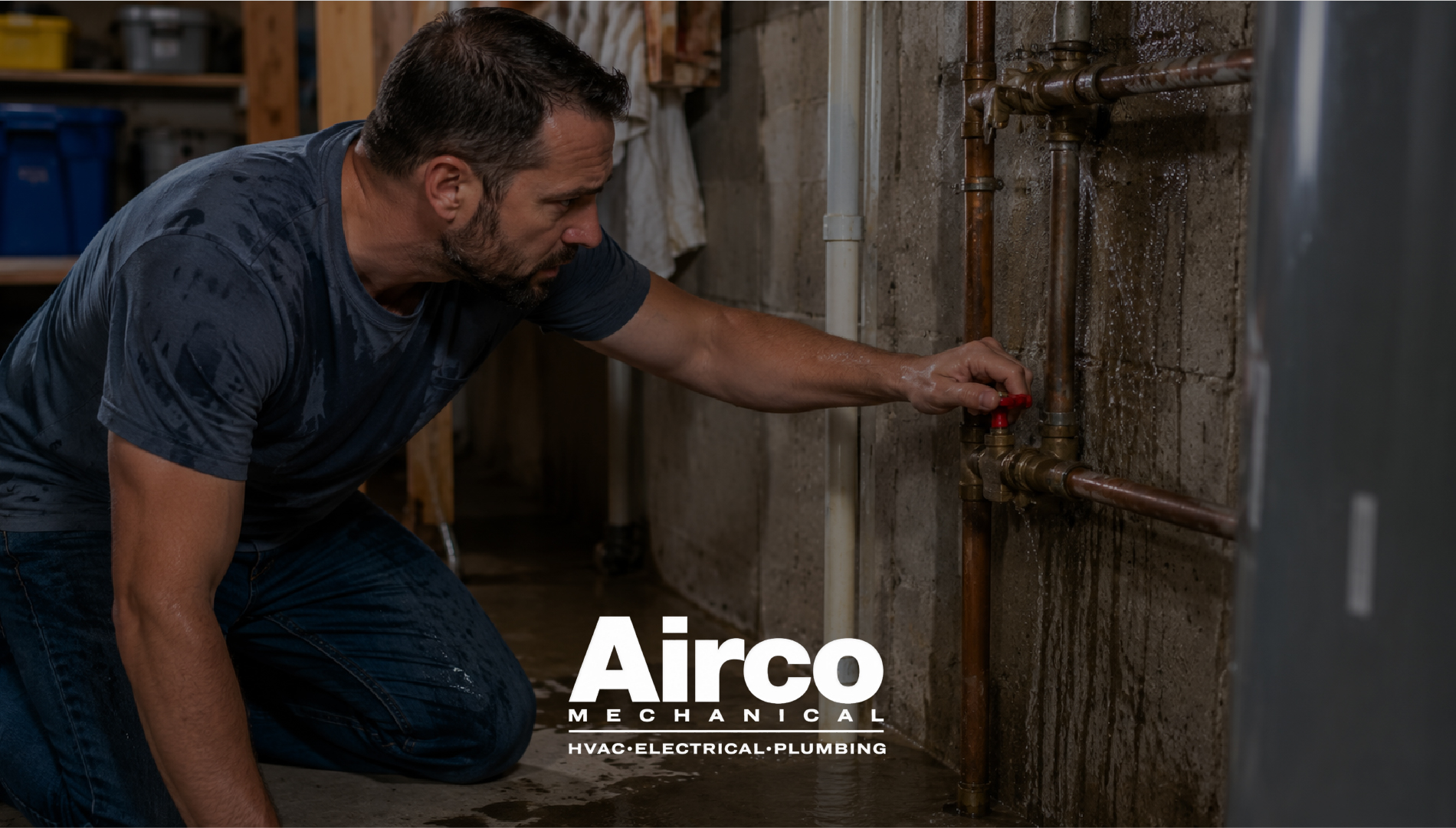
- Shut off outdoor water lines before winter sets in. Use shut-off valves (usually located inside your basement) to drain water completely.
- Install frost-proof spigots to minimize freezing risks.
- Disconnect garden hoses and store them indoors when not in use.
- Insulate hose bibs with covers for added protection.
These simple but effective plumbing strategies for extreme weather can save homeowners from unexpected leaks and costly pipe replacements once spring arrives.
For indoor systems, you can also explore our Residential General Plumbing Services for year-round protection.
Pro Tip: Always test outdoor faucets in the spring before regular use. If water pressure seems weak, it could indicate a crack that formed during winter.
Maintain Water Heaters and Boilers
During extreme cold, water heaters and boilers work overtime to provide consistent hot water. If they are not maintained, they may fail when you need them most. Sudden breakdowns can leave your home without heat or hot water, compounding the effects of freezing weather.
Key steps to protect your system:
- Flush the tank annually to remove sediment buildup that reduces efficiency.
- Insulate water heater tanks and pipes to retain heat and reduce energy demand.
- Inspect safety valves and thermostats before winter storms.
Plumbing strategies for extreme weather must include water heating systems because frozen pipes often result from poorly performing heaters. A properly maintained water heater ensures steady hot water supply, reducing the risk of frozen or burst pipes in your kitchen and bathroom.
While keeping your plumbing and heating systems in top shape, don’t overlook indoor cooling solutions for warmer months. Check out our guide on the 7 Best Window ACs for Vertical Windows to ensure your home stays comfortable year-round.
Backflow Prevention and Sewer Protection
Extreme storms often overwhelm municipal sewer systems, causing wastewater to flow backward into residential drains. This not only creates foul odors but also introduces dangerous contaminants into your home.
Homeowners can protect against this by:
- Installing a backflow prevention device on main sewer lines.
- Sealing basement drains with backwater valves.
- Scheduling professional inspections before heavy rainfall seasons.
Backflow issues are some of the most overlooked plumbing emergencies. Yet, they are critical in any list of plumbing strategies for extreme weather because they can prevent thousands of dollars in flood damage and protect your family’s health.
For more preventive steps, explore our blog on 8 Seasonal Plumbing Maintenance Tips Every Homeowner Should Follow.
Consider a Backup Sump Pump System
A sump pump is one of the most essential tools for keeping basements dry during extreme weather. However, many homeowners rely on a single system, leaving their homes vulnerable if the pump fails or if a power outage occurs.
Smart plumbing strategies for extreme weather should always include redundancy:
- Install a battery backup sump pump to ensure protection during blackouts.
- Test sump pumps regularly to confirm they’re functioning.
- Keep discharge lines clear so water flows away from the foundation.
For tailored installation or repairs, see our Residential Sump Pump Services.
Conclusion
Extreme weather events are becoming more frequent, and homeowners must stay proactive to protect their property. From insulating pipes to maintaining water heaters and installing sump pump backups, these eight plumbing strategies for extreme weather can make the difference between peace of mind and costly repairs.
By investing in regular maintenance, staying prepared for seasonal shifts, and working with licensed professionals, you can safeguard your home’s plumbing system all year round. Remember, choosing the right plumbing strategies for extreme weather isn’t just about preventing damage it’s about ensuring long-term comfort and security for your family.
For authoritative information, you can also review the EPA’s Guide on Flood Preparedness, which includes additional steps to protect water systems during storms.
FAQs About Plumbing Strategies for Extreme Weather
Q1.How often should I schedule plumbing maintenance for extreme weather?
At least once a year, preferably before winter or storm season, to inspect pipes, drains, and water heaters.
Q2. Can I prevent frozen pipes without professional help?
Yes. Insulating exposed pipes, sealing cracks, and keeping indoor temperatures consistent all reduce the risk of freezing.
Q3. Do sump pumps require yearly maintenance?
Yes. Test them before heavy rain seasons and ensure discharge lines are clear.
Q4. How do I know if my sewer needs backflow prevention?
If your home is in a low-lying area or prone to flooding, installing a backflow valve is highly recommended.
Q5. Is insulating pipes expensive?
Pipe insulation is relatively inexpensive and can be done DIY. However, professional installation ensures complete coverage and better protection.
Do you have questions, or are you ready to start your next project? Explore our services at Airco Mechanical!