Smart homes are no longer futuristic concepts they’re the new reality. From voice-activated lights to automated water shut-off valves, smart home plumbing and electrical integration is transforming the way we live. This synergy allows homeowners to monitor water usage, control appliances remotely, and prevent costly damage with real-time alerts.
In this blog, we’ll explore 9 powerful ways plumbing and electrical work together in smart homes, and why choosing professional installation is essential for long-term performance.
Smart Leak Detection Systems
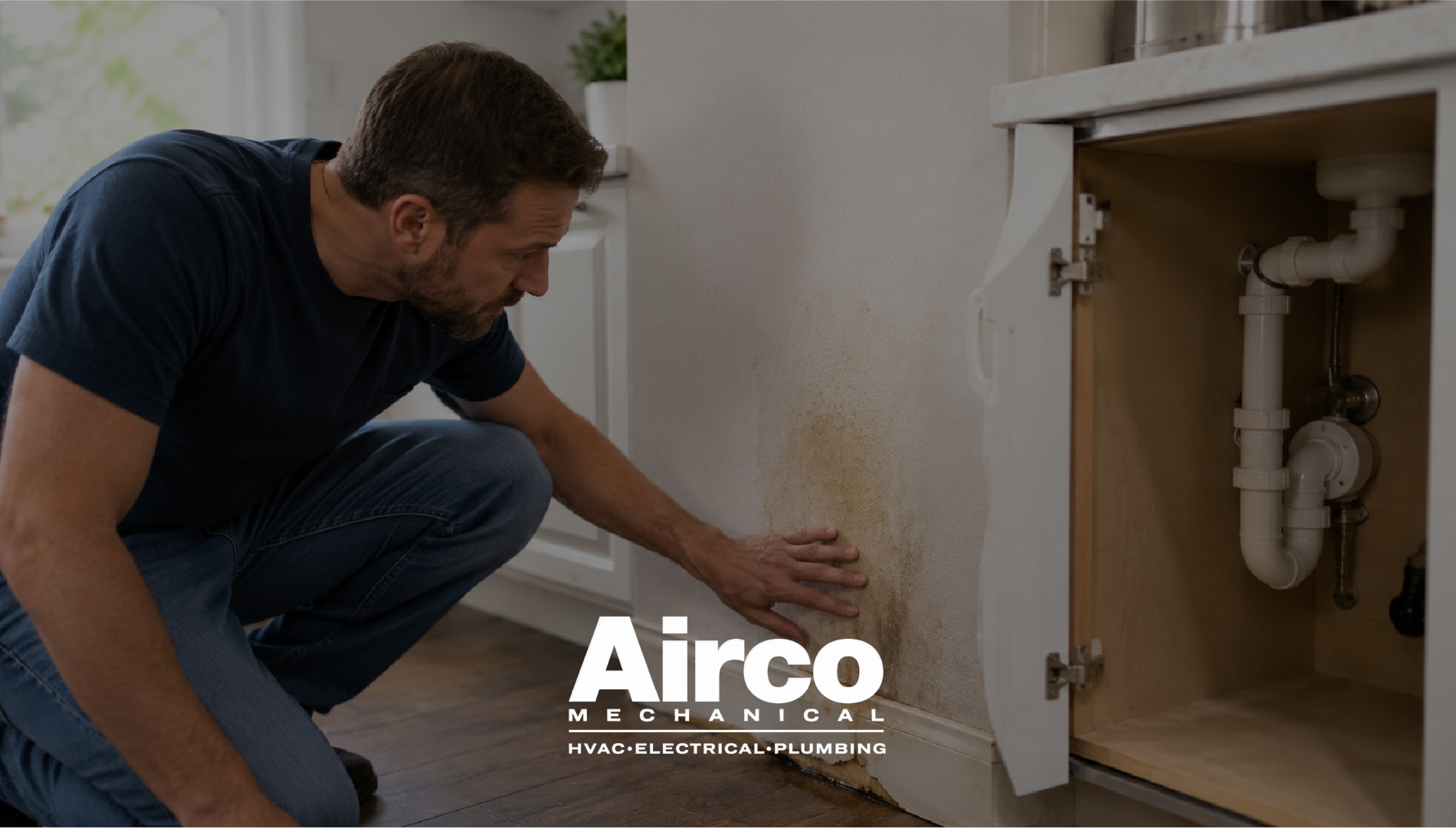
One of the most valuable outcomes of smart home plumbing and electrical integration is advanced leak detection. Electrical sensors installed near plumbing fixtures or water lines can instantly detect leaks and send alerts to your smartphone.
Benefits include:
- Prevents costly water damage.
- Automatically shuts off water supply in emergencies.
- Provides peace of mind for homeowners.
This is where kitchen plumbing services become even more valuable, since smart leak detection can be integrated with sinks, faucets, and dishwashers.
Automated Water Shut-Off Valves
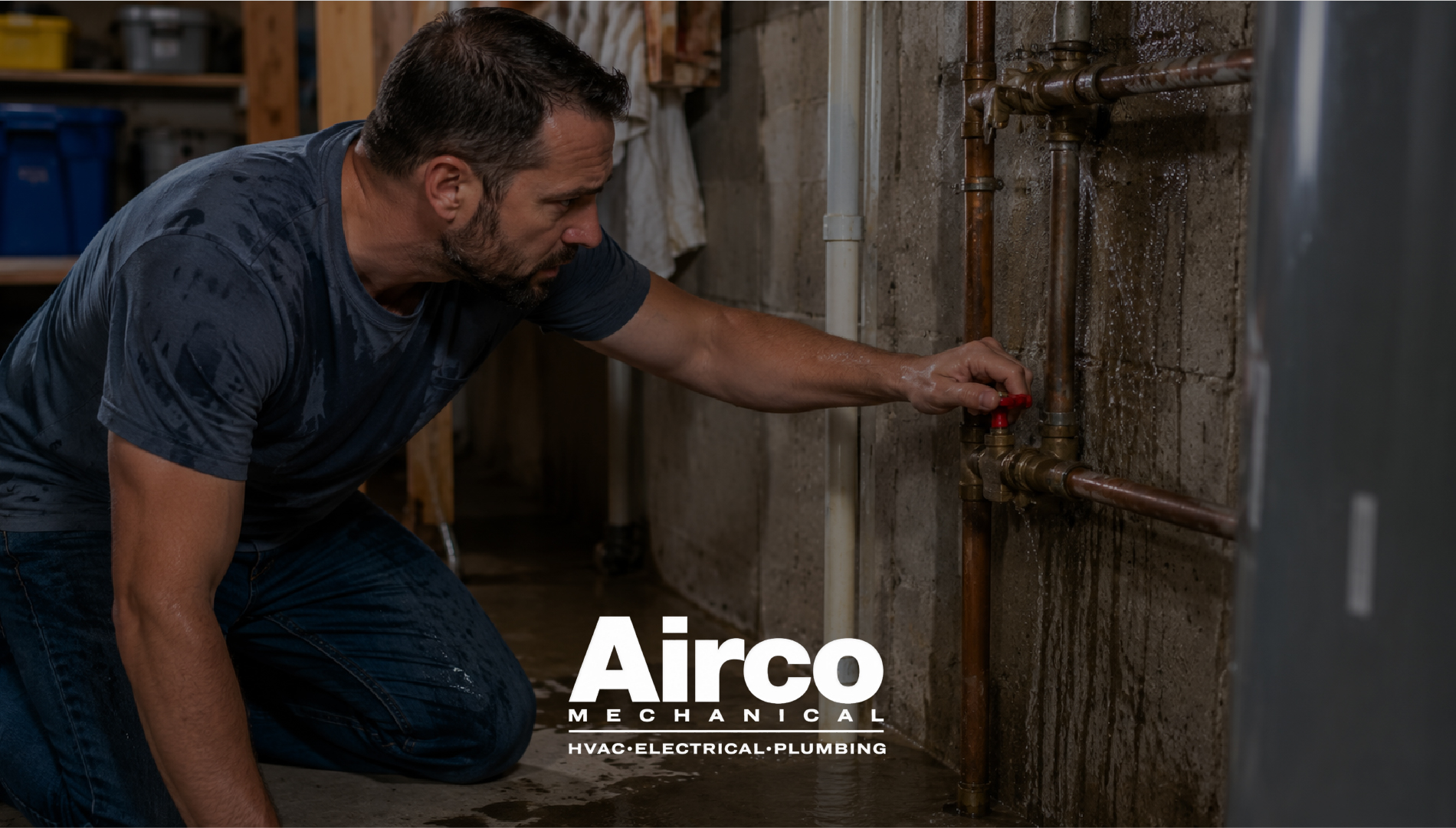
Plumbing and electrical systems work together to power automated shut-off valves, which cut off the water supply when leaks or bursts are detected. These devices are an essential part of smart home plumbing and electrical integration, protecting basements, bathrooms, and kitchens from flooding.
Pointer tips:
- Pair with moisture sensors for faster response.
- Ideal for vacation homes or rental properties.
Smart Water Heaters
Modern water heaters showcase how smart home plumbing and electrical integration improves daily living. These connected devices allow you to schedule heating cycles, monitor energy use, and receive maintenance alerts all controlled from your smartphone.
Smart water heaters reduce both energy costs and water waste, making them essential in energy-efficient households.
Energy-Efficient Dishwashers and Washing Machines
Appliances like dishwashers and washing machines depend on both plumbing and electricity. With smart home plumbing and electrical integration, these machines can:
- Optimize water and energy usage.
- Send cycle-complete notifications.
- Sync with solar panels or smart grids for savings.
This combined approach helps homeowners cut utility bills while promoting sustainability.
Greywater Recycling Systems
Greywater recycling systems highlight sustainability in smart home plumbing and electrical integration. Electrical pumps and sensors filter and redirect water from sinks, showers, and washing machines to be reused for irrigation or toilet flushing.
This setup not only saves money but also conserves water resources. (EPA WaterSense Program).
Smart Irrigation Systems
Smart irrigation is a great example of plumbing and electrical integration together. Electrical controllers connect to Wi-Fi and use real-time weather data, while the plumbing system distributes water through sprinklers or drip lines.
Benefits include:
- Reduces water waste by up to 50%.
- Ensures lawns and gardens get the right amount of water.
- Can be controlled from your smartphone.
For homeowners who want a more eco-friendly yard, this integration is one of the most impactful upgrades.
Integrated Smart Faucets and Showers
Smart faucets and showers combine electrical sensors with plumbing fixtures to deliver convenience and efficiency. Voice or motion-activated controls allow users to set precise water temperatures, track usage, and even conserve water automatically.
These systems are often part of bathroom plumbing services, where upgrades can transform a standard bathroom into a high-tech comfort zone.
Water Quality Monitoring Systems
Electrical sensors within your plumbing system can test water quality in real time, detecting contaminants like chlorine, lead, or bacteria. These devices provide instant results on your smartphone, helping you take action before water safety becomes a concern.
Paired with filtration systems, this integration ensures your family has clean, safe drinking water at all times.
Smart Appliance Integration
From refrigerators with water dispensers to voice-controlled coffee machines, many kitchen appliances now rely on both plumbing and electrical systems. With smart integration, these devices can be connected to central home automation hubs for easier monitoring and control.
This is especially important in modern kitchens, where efficiency and convenience are top priorities. For more kitchen-specific upgrades, check out our blog on 10 Smart Home Plumbing Upgrades That Will Transform Your Kitchen.
Conclusion
The future of modern living lies in the seamless integration of plumbing and electrical systems. From leak detection to smart water heaters, these technologies not only make your home more efficient but also safer and more sustainable.
Whether you’re planning a bathroom remodel or upgrading your kitchen, integrating smart systems ensures your investment pays off in the long run. Our experts at Airco Mechanical can help you design and install the best smart home plumbing and electrical solutions tailored to your needs.
FAQs About Smart Home Plumbing and Electrical Integration
Q1. Are smart plumbing and electrical upgrades worth the cost?
Yes. They save money on utility bills, reduce repair risks, and increase your home’s value.
Q2. Can I install smart home plumbing devices myself?
Some devices are DIY-friendly, but larger systems like smart water heaters or shut-off valves should be installed by licensed professionals.
Q3. Do smart systems require Wi-Fi?
Most modern systems connect to Wi-Fi for remote control, monitoring, and updates.
Q4. Which rooms benefit most from smart plumbing and electrical integration?
Kitchens, bathrooms, and basements benefit most, as these spaces use the most water and power.
Q5. What’s the most eco-friendly upgrade?
Smart irrigation and greywater recycling systems are excellent choices for reducing water waste and supporting sustainability.
Do you have questions, or are you ready to start your next project? Explore our services at Airco Mechanical!