Your home’s plumbing system is one of the hardest-working parts of your house, but it often gets overlooked until something goes wrong. Seasonal changes from freezing winters to heavy summer water use can put real stress on pipes, drains, and fixtures. That’s why regular plumbing maintenance is critical. By following a seasonal checklist, you can prevent costly repairs, extend the life of your system, and keep your household running smoothly.
In this guide, we’ll explore 8 seasonal plumbing maintenance tips every homeowner should follow. Each step is simple but makes a big difference in keeping your plumbing safe and efficient year-round
Inspect Pipes and Faucets for Seasonal Wear and Tear
As temperatures shift from hot to cold, your plumbing system contracts and expands, which can weaken joints, crack pipes, or cause leaks. Spring and fall are ideal times to give everything a thorough check.
Pointers to follow:
- Run water through each faucet and check for unusual noises or weak pressure.
- Inspect exposed pipes in your basement or crawl spaces for condensation, rust, or leaks.
- Check outdoor spigots after winter for freeze damage.
A quick inspection is one of the simplest plumbing maintenance tasks you can do, and it helps you catch small problems before they turn into big emergencies.
Clean Gutters and Outdoor Drains in the Fall
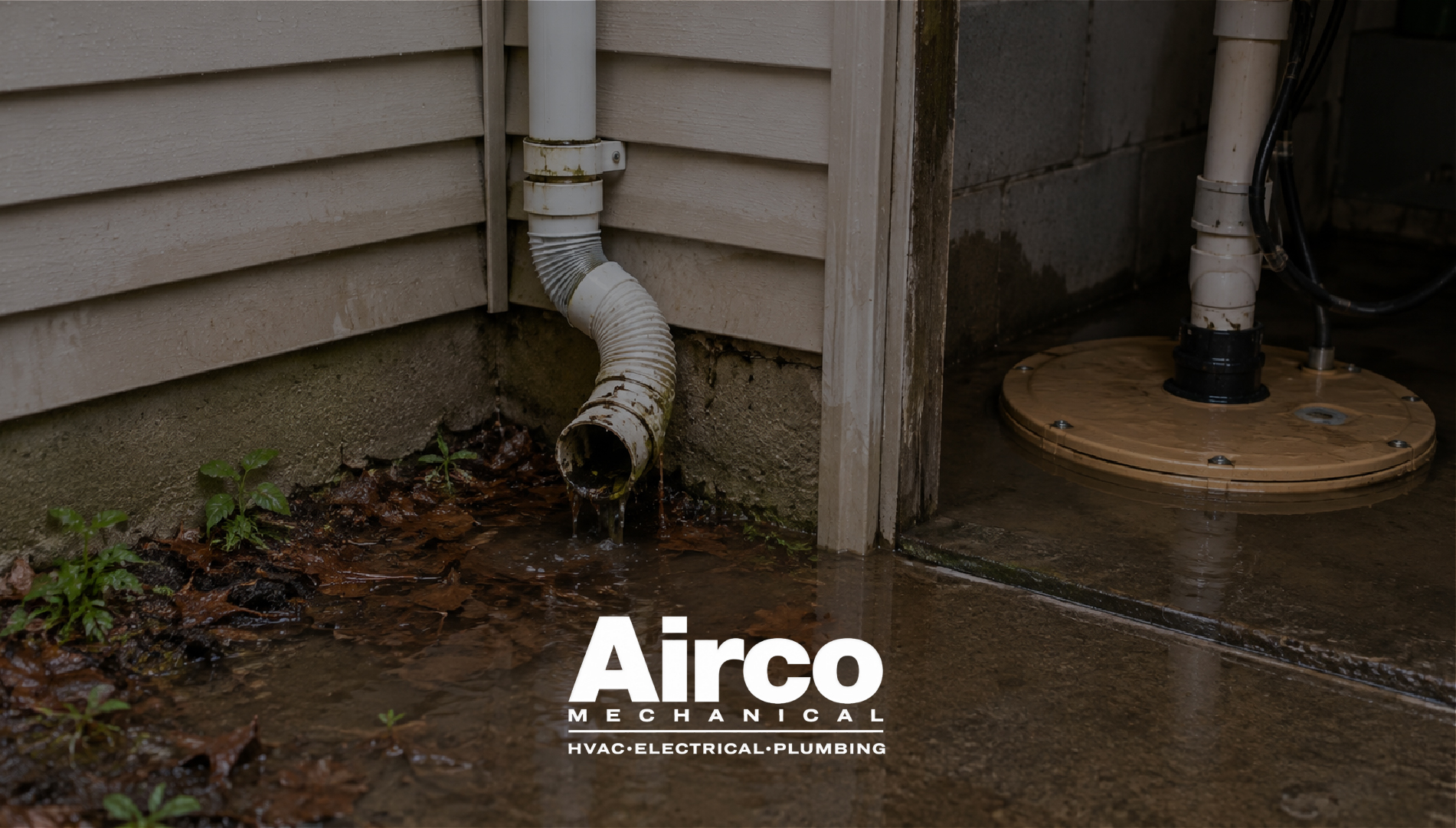
Clogged gutters and drains are more than just a seasonal nuisance. They can push water back toward your home and overload your plumbing system. Leaves, sticks, and debris tend to build up in the fall, so clearing them out should be part of your yearly plumbing maintenance checklist.
Quick checklist:
- Remove leaves and debris from gutters at least twice each fall.
- Ensure downspouts direct water at least 5–10 feet away from your home.
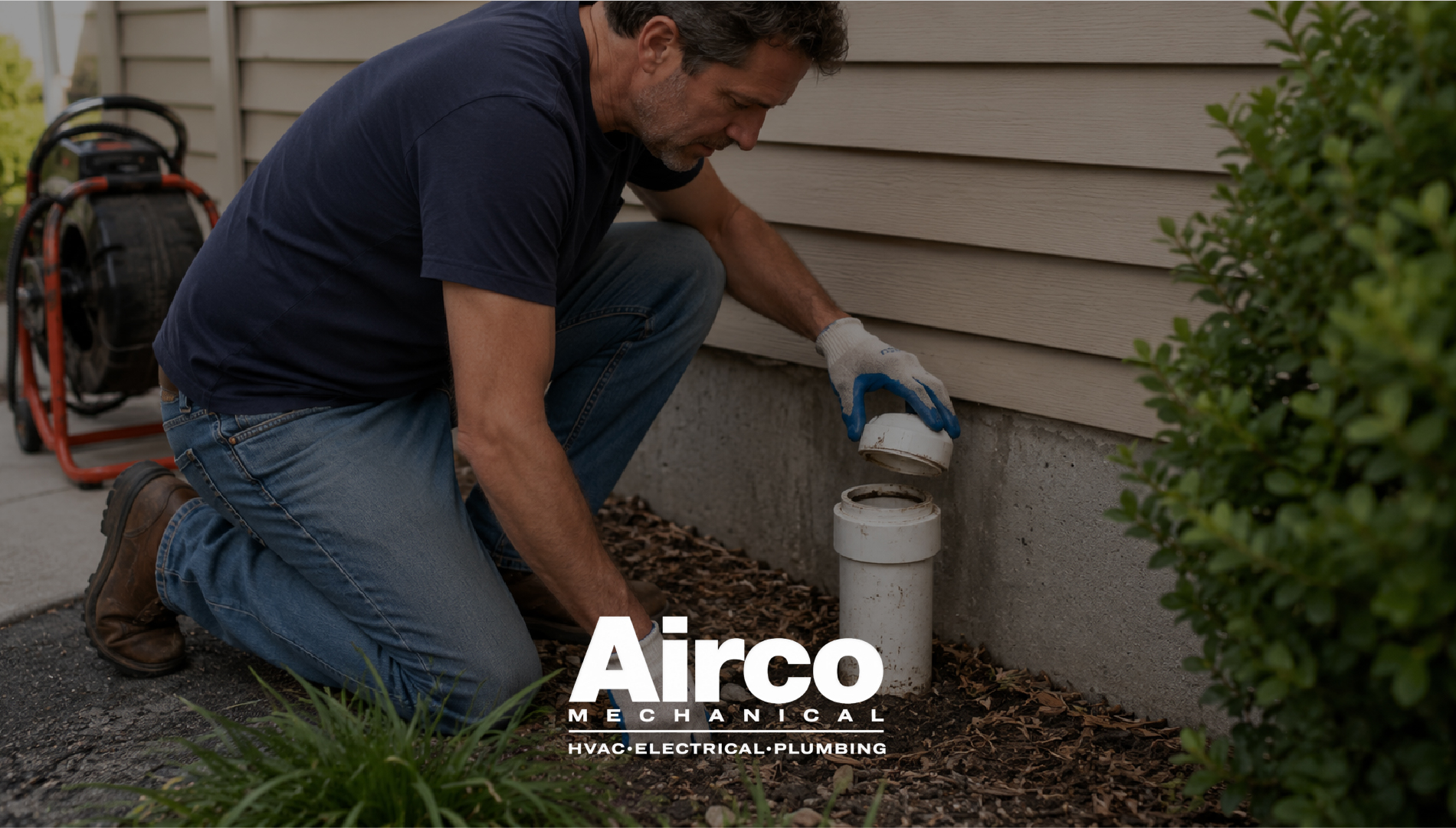
- Clear outdoor drains before seasonal rains and storms arrive.
By keeping water moving away from your foundation, you not only protect your home’s structure but also reduce the risk of unnecessary stress on your drains.
Protect Pipes from Freezing During Winter
One of the biggest seasonal threats homeowners face is frozen pipes. When water freezes, it expands putting pressure on pipes that can cause them to burst and flood your home. Preventing this should always be a top plumbing maintenance priority in colder months.
Proactive steps to prevent freezing:
- Insulate pipes in unheated spaces such as attics, garages, and crawl spaces.
- Keep your home heated at a minimum of 55°F, even when you’re away.
- Allow faucets to drip slightly overnight during extreme cold to relieve pressure.
Taking time to winterize your plumbing system ensures peace of mind and saves you from emergency repairs when temperatures drop.
Need help winterizing your system? Our residential plumbing services include expert seasonal care to protect your home.
Flush Your Water Heater in the Spring
Over time, sediment builds up inside your water heater, reducing its efficiency and sometimes causing strange noises or discolored water. Spring is the perfect time to flush your water heater as part of routine plumbing maintenance.
Pointers to follow:
- Turn off the power supply or gas line to your water heater.
- Drain a few gallons of water from the tank to remove sediment.
- For heavy buildup, consider a full flush by attaching a hose to the drain valve.
Regular flushing not only extends the life of your water heater but also helps lower energy costs. If you’re unsure about tackling this on your own, call a professional plumber to handle it safely.
Test Your Sump Pump Before Rainy Season
Your sump pump protects your basement or crawl space from flooding during heavy rainstorms. The last thing you want is to discover it’s not working during a downpour. Add sump pump checks to your plumbing maintenance list each spring and fall.
Quick steps to test:
- Pour a bucket of water into the sump pit.
- Ensure the pump activates, removes the water, and shuts off properly.
- Inspect the discharge pipe to confirm water is being directed away from your home.
If your pump struggles or fails, it’s time to schedule service or even consider a new installation. A well-maintained sump pump can save thousands in water damage repairs.
Check for Hidden Leaks During Summer
Warm weather means higher water usage, and even small leaks can waste gallons of water daily. Part of good plumbing maintenance is finding hidden leaks before they run up your water bill or damage your home.
How to spot leaks:
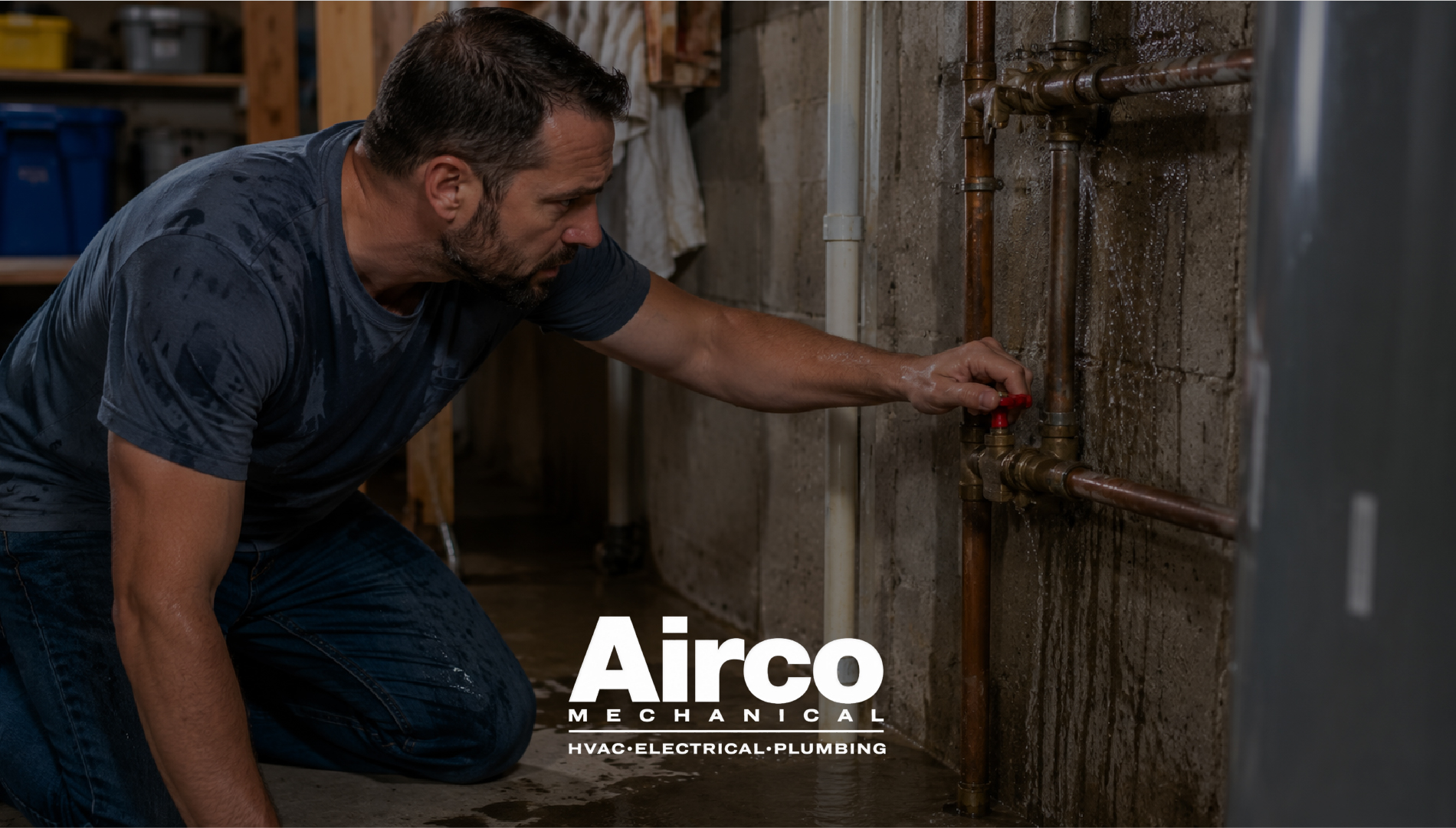
- Monitor your water meter: if it moves when no water is running, you likely have a leak.
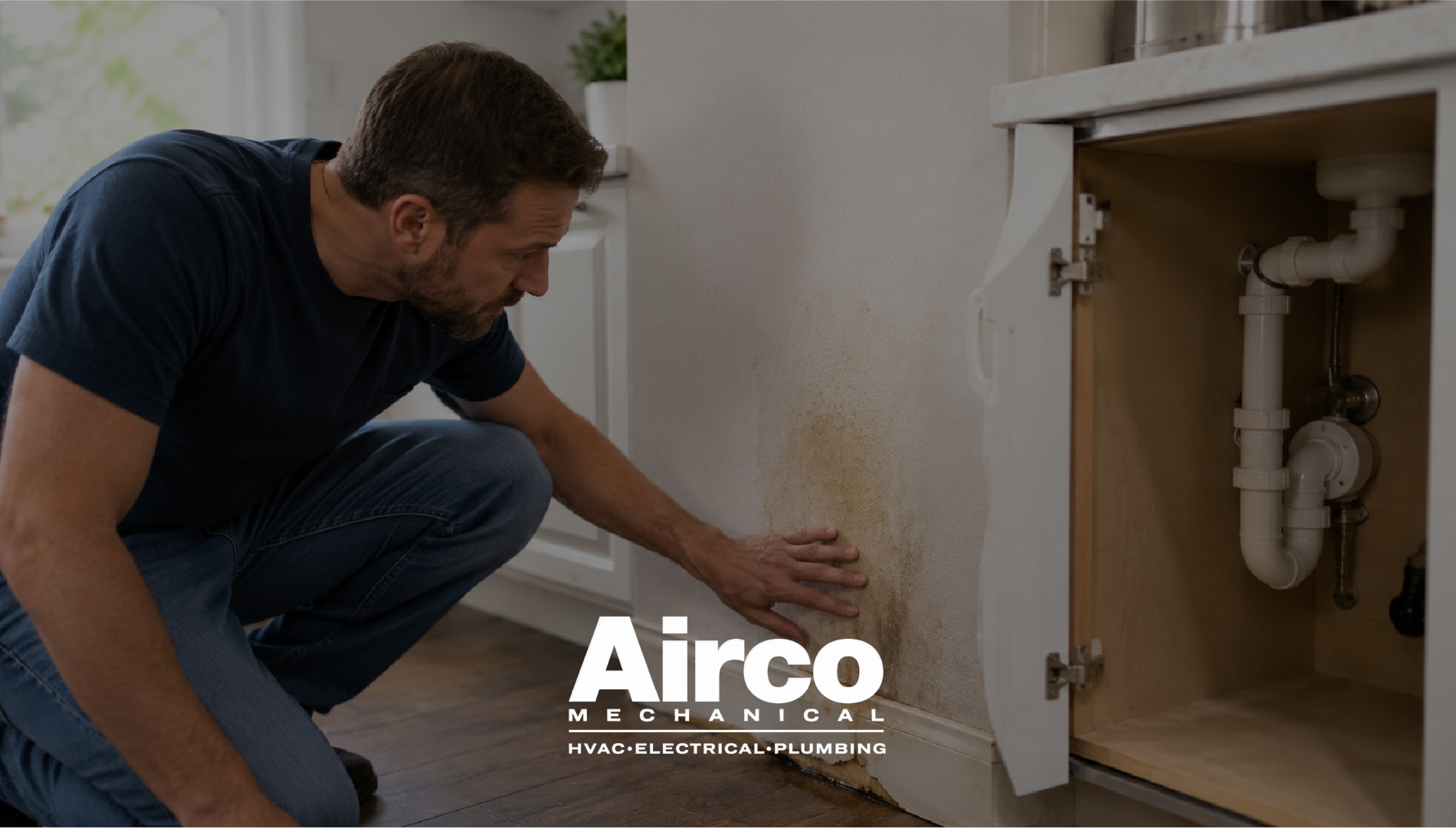
- Look for damp spots on walls, ceilings, or floors.
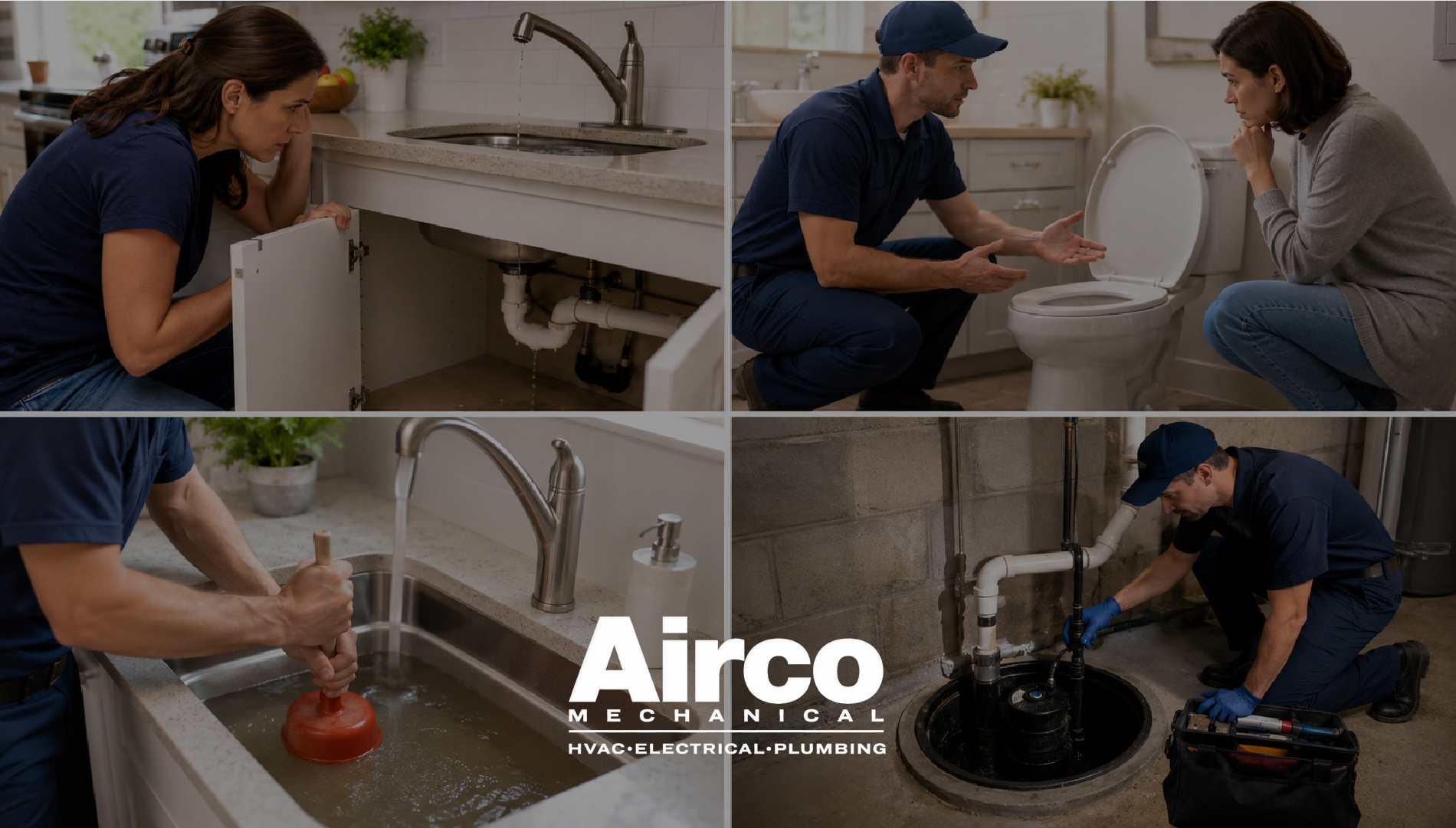
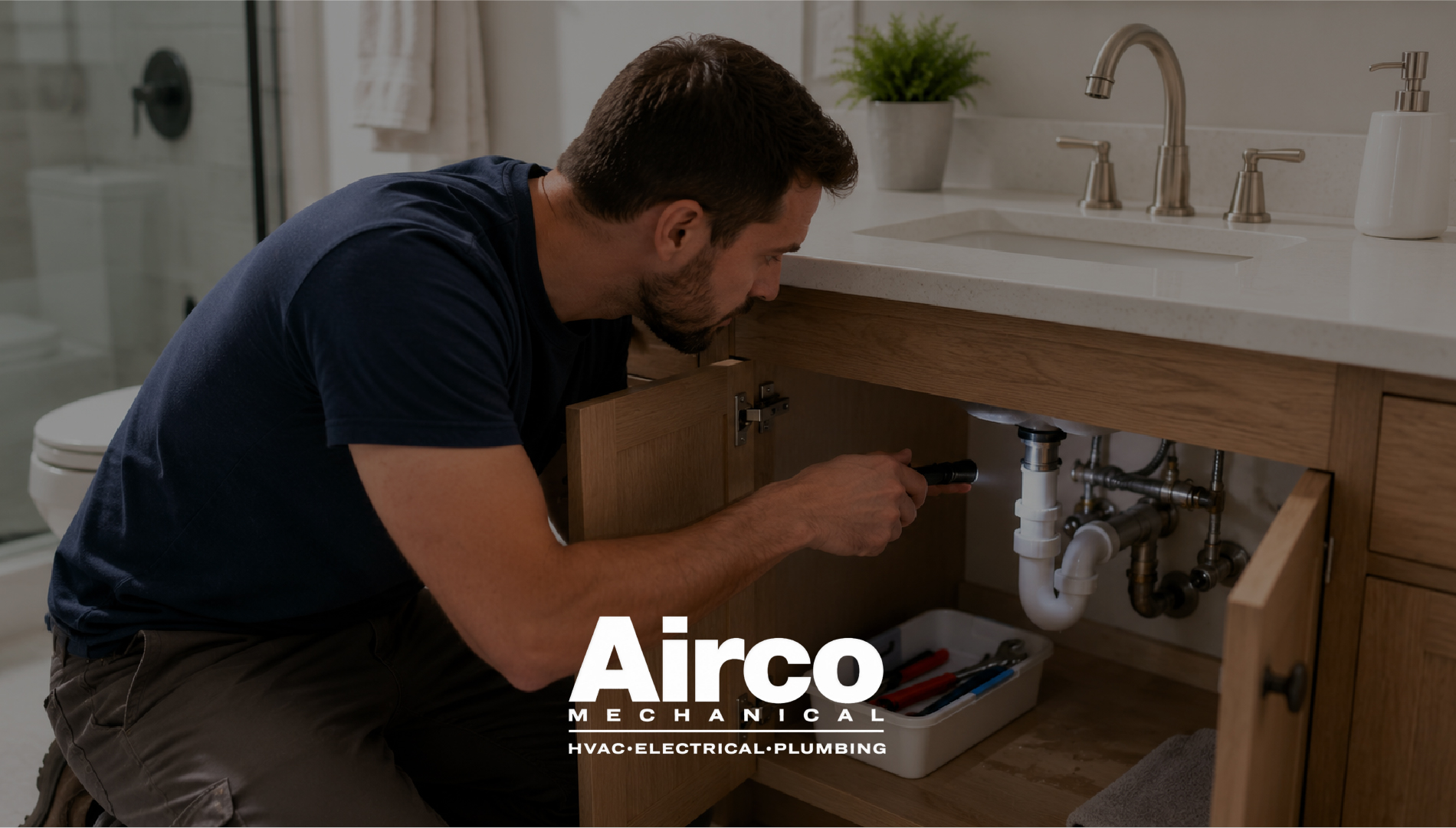
- Check under sinks and around appliances like dishwashers and washing machines.
Even a minor leak can cause mold, mildew, and structural damage if ignored. Addressing leaks early ensures your plumbing system stays efficient and reliable.
Leaks can be sneaky. Our general plumbing services are designed to detect and fix hidden issues quickly and effectively
Inspect Outdoor Plumbing Fixtures in the Summer
Outdoor fixtures like garden hoses, sprinkler systems, and pool lines often get heavy use in warmer months. Without proper plumbing maintenance, leaks and cracks in these fixtures can waste water and increase utility bills.
Pointers for summer care:
- Check hose connections for drips.
- Inspect sprinkler heads for clogs or misalignment.
- Replace damaged hoses before they worsen into leaks.
Regular inspection ensures your outdoor plumbing works efficiently throughout the summer and helps conserve water.
Schedule a Professional Plumbing Inspection in the Fall
While many plumbing maintenance tasks can be handled by homeowners, nothing replaces a thorough inspection from a licensed plumber. Fall is the best time to schedule a full checkup before winter sets in.
A professional inspection includes:
- Testing water pressure and flow.
- Inspecting drains and sewer lines.
- Checking water heaters, sump pumps, and major appliances.
- Identifying hidden leaks or corrosion before they become emergencies.
A fall inspection ensures your plumbing is ready for cold weather and gives you peace of mind knowing your system is in good shape.
Conclusion
Staying on top of plumbing maintenance every season is one of the smartest ways to protect your home and avoid expensive repairs. From flushing your water heater to winterizing your pipes, these small steps go a long way toward keeping your plumbing system reliable year-round.
Remember, proactive care is always cheaper than emergency repairs. For professional help, consider scheduling residential plumbing services with Airco Mechanical to make sure your home’s plumbing is in expert hands.
FAQs About Plumbing Maintenance
Q1. How often should I schedule professional plumbing maintenance?
Most experts recommend once a year, but seasonal checks can help catch problems early.
Q2. Can I handle plumbing maintenance myself?
Yes, many tasks are DIY-friendly. However, inspections, leak detection, and major appliance servicing should be handled by professionals.
Q3. What’s the most common seasonal plumbing issue?
Frozen pipes in winter and clogged drains in fall are the most common issues homeowners face.
Q4. Is plumbing maintenance really necessary if I don’t see problems?
Absolutely. Preventative maintenance extends the life of your system and reduces the risk of sudden, costly breakdowns.
Q5. Where can I find water-saving plumbing tips?
The EPA’s WaterSense program offers excellent resources for conserving water and reducing utility costs.
Do you have questions, or are you ready to start your next project? Explore our services at Airco Mechanical!