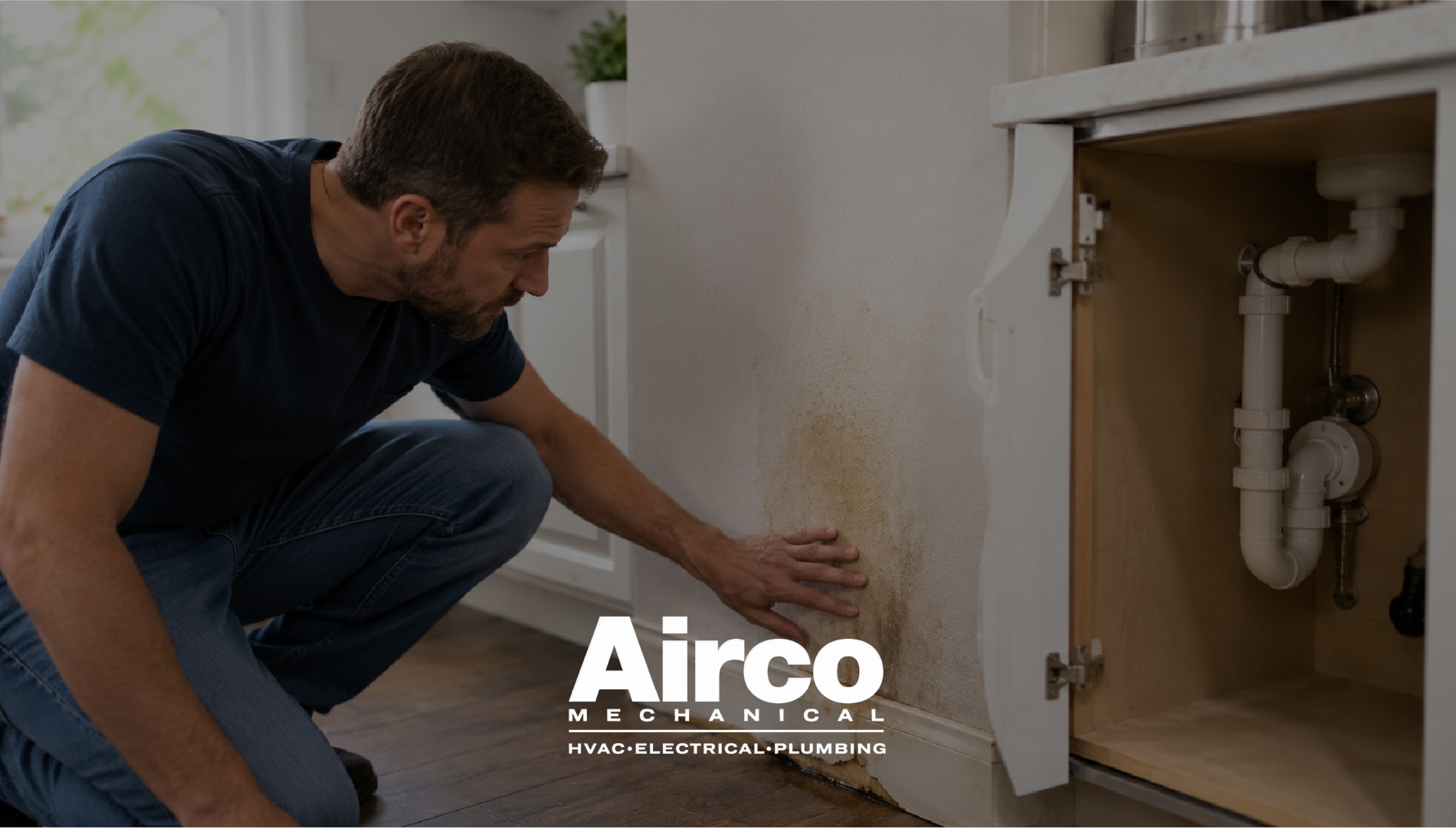
A hot water heater leaking isn’t just a mild inconvenience; it’s a sign of a bigger problem that could lead to severe water damage, high utility bills, and even safety risks. Whether it’s a slow drip or a fast leak, ignoring it can result in mold growth, structural damage, and costly repairs. This guide will explore the most common causes behind a hot water heater leaking, how to fix it, and how to prevent it from happening again.
Table of Contents
Understanding the Risks of a Hot Water Heater Leaking
When a hot water heater’s leak becomes noticeable, it usually means the tank or one of its components is compromised. Water heaters hold anywhere from 30 to 80 gallons of water. Even a small leak can quickly escalate into a major flood. Beyond water damage, standing water also creates an ideal environment for bacteria and mold to grow, posing a serious health risk to your household.
What Causes a Hot Water Heater Leaking Problem?
Understanding the source of the leak is essential to solving the issue correctly. The most common causes of a hot water heater leaking include a corroded tank, faulty drain valve, loose inlet and outlet connections, a failing temperature and pressure relief valve, or high internal pressure. Each issue requires a different type of fix, and the sooner you identify the root cause, the easier and cheaper the repair will be.
How to Fix a Hot Water Heater Leaking Issue
1. Turn Off the Power Supply Immediately
The moment you spot your hot water heater leaking, the first and most critical step is to turn off the power source. If your unit is electric, cut off the electricity from the breaker box. If it runs on gas, shut off the gas supply. This helps prevent potential accidents and reduces the risk of further damage.
2. Inspect the Water Supply Lines
One common reason for a hot water heater leaking is a loose or cracked supply line. These are the pipes that bring cold water into the heater and carry hot water out. Carefully examine these lines for moisture or signs of dripping. If they’re loose, tighten them; if they’re cracked or corroded, replace them.
3. Replace the Drain Valve
The drain valve is located at the bottom of the tank and is used during maintenance to flush out sediment. If you find that your hot water heater leaking issue stems from this valve, it may be because the valve is not fully closed or is defective. Replacing the valve is often an easy and cost-effective fix that restores the integrity of the unit.
4. Check and Replace the T&P Relief Valve
The temperature and pressure (T&P) relief valve is a safety mechanism that releases pressure if it gets too high inside the tank. If this valve fails, you may find your hot water heater leaking from the side or top of the unit. In this case, replacing the valve is necessary to prevent excessive pressure buildup that could lead to a tank explosion.
5. Lower the Temperature Setting
Excessively high water temperatures can cause pressure to build inside the tank. If your hot water heater leaking problem is related to high pressure, reducing the thermostat setting to a safe level (usually around 120°F) may resolve the issue and prevent further leaks.
6. Inspect the Anode Rod
The anode rod prevents rust from building up inside the tank. If it’s worn down, the tank itself begins to corrode, often resulting in a hot water heater leaking from the bottom. Replacing a deteriorated anode rod can extend the life of your unit and stop the leak at its source.
7. Replace the Tank If Corrosion Is Present
If you see rust on the outside of the unit or discover the leak is coming directly from the tank body, your hot water heater is likely leaking due to internal corrosion. Unfortunately, a corroded tank cannot be repaired. Replacement is the only option, and acting quickly can save your home from major water damage.
Preventing a Future Hot Water Heater Leaking Issue
Perform Regular Maintenance
One of the best ways to prevent a hot water heater leaking is to schedule routine maintenance. This includes flushing the tank annually to remove sediment, inspecting the anode rod, and checking all valves and connections. These simple steps can help you avoid future problems and keep your unit running efficiently.
Monitor Water Pressure
High water pressure is a hidden enemy of your plumbing system. It puts stress on your heater and increases the chances of developing a hot water heater leaking. Installing a pressure-reducing valve can help keep pressure within safe limits and prolong the lifespan of your system.
Install a Drain Pan
A drain pan placed under the unit can catch any water from a hot water heater leaking and divert it safely to a drain. This won’t prevent leaks, but it can minimize water damage if a leak occurs unexpectedly.
Consider a tankless water heater
If you find yourself frequently dealing with a hot water heater leaking, consider switching to a tankless system. These models don’t store water in large quantities, eliminating the risk of tank-related leaks and offering better energy efficiency.
Signs Your Hot Water Heater Is Leaking: Problem Needs Urgent Help
Not all leaks are created equal. If you notice a large puddle forming under the tank, hear strange popping or banging noises, or experience inconsistent hot water, your hot water heater leaking problem may be approaching emergency levels. Don’t delay; call a licensed plumber immediately. Ignoring the signs can lead to catastrophic water damage or even safety hazards like gas leaks or electrical fires.
Environmental Impact of a Hot Water Heater Leaking
A hot water heater leaking not only affects your utility bills but also has a broader environmental cost. Wasting hot water means more energy is used to heat that water unnecessarily, leading to increased carbon emissions. Addressing leaks promptly is a small but impactful way to conserve both water and energy, contributing to a more sustainable household.
Conclusion
A hot water heater leaking may start as a harmless drip but can end in a flooded basement, sky-high energy bills, and mold infestation. The key is early detection and fast action. Whether it’s tightening fittings, replacing faulty valves, or upgrading to a new unit, dealing with hot water heating now can save you from much bigger problems later. Don’t wait for disaster to strike; fix the leak, secure your home, and restore peace of mind.
FAQs About Hot Water Heater Leaking
Q1: What should I do first if I notice my hot water heater leaking?
Immediately turn off the power and water supply to prevent damage and ensure safety. Then locate the source of the leak.
Q2: Is a small leak from the drain valve a big deal?
Yes, even a minor drip can indicate a failing valve. If left untreated, it can turn into a major hot water heater leaking issue.
Q3: Can I fix a hot water heater leaking from the top myself?
If the leak is from a fitting or valve, you might fix it yourself. But for leaks from the tank body, a professional is recommended.
Q4: How long does a typical water heater last before leaking?
Most units last 8 to 12 years. A hot water heater leaking often signals the end of its life cycle, especially if it’s an older model.
Q5: Should I replace my water heater if it’s leaking from the tank itself?
Yes, if the tank is leaking due to corrosion, it cannot be repaired. Replacing it is the only permanent solution.
Do you have questions, or are you ready to start your next project? Explore our services at Airco Mechanical!