How to Prevent Pipe Corrosion in Older Homes
Pipe corrosion in older homes can be prevented through regular inspections, proper water chemistry control, gentle cleaning methods, and timely pipe upgrades. Aging plumbing materials like galvanized steel, cast iron, and copper are more vulnerable to corrosion, which can lead to leaks, water discoloration, reduced pressure, and costly damage. Working with a professional drain cleaning service helps identify early signs of corrosion and maintain pipe health before small issues turn into major repairs.
Why Pipe Corrosion Is Common in Older Homes
Older homes were built using plumbing materials that naturally degrade over time. Combined with decades of water exposure, mineral buildup, and fluctuating water chemistry, corrosion becomes almost unavoidable without proper maintenance.
Key Reasons Corrosion Develops
- Aging pipe materials no longer meet modern standards
- Long-term exposure to hard or acidic water
- Mineral scale buildup inside pipes
- Oxygen exposure in metal piping
- Poor or outdated plumbing design
Without preventive care, corrosion weakens pipes from the inside out.
Common Pipe Materials in Older Homes and Their Risks
Different materials corrode in different ways. Understanding what pipes you have helps determine the best prevention strategy.
| Pipe Material | Common Issues | Corrosion Risk |
| Galvanized Steel | Rust, reduced flow | High |
| Cast Iron | Flaking, internal scaling | High |
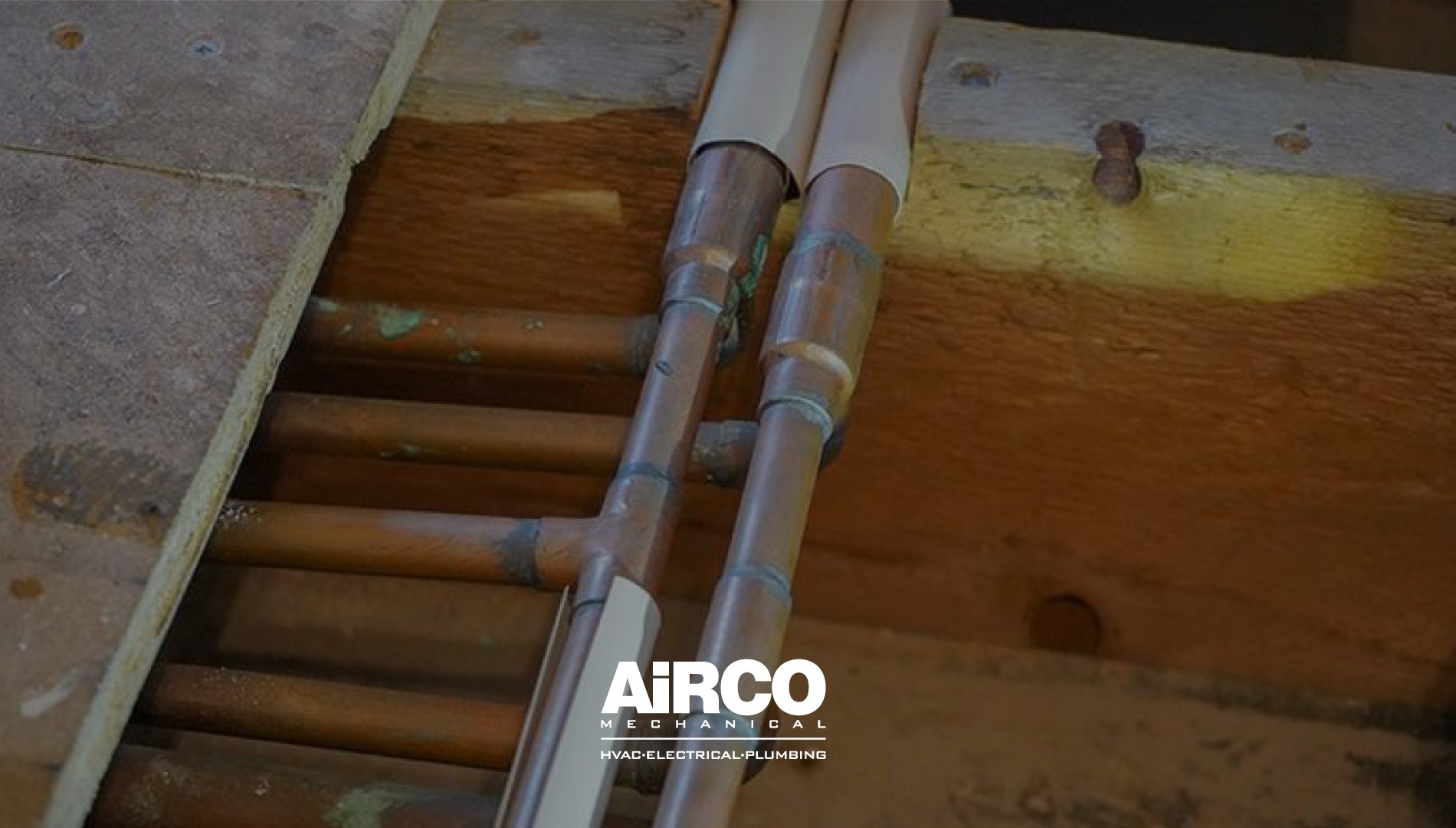
| Copper | Pitting, pinhole leaks | Moderate |
| Brass | Dezincification | Moderate |
| Lead (very old homes) | Contamination | Severe |
Homes built before the 1980s often still contain these materials.
Early Signs of Pipe Corrosion
Recognizing early symptoms allows homeowners to act before pipes fail completely.
Warning Signs to Watch For
- Brown, yellow, or cloudy water
- Metallic taste or odor
- Frequent leaks or pinhole leaks
- Reduced water pressure
- Visible rust on exposed pipes
- Recurring drain clogs from internal pipe scaling
Early detection significantly reduces repair costs.
How Corrosion Damages Plumbing Systems
Corrosion doesn’t just cause leaks—it affects the entire plumbing system.
Long-Term Effects
- Thinning pipe walls leading to bursts
- Internal buildup restricting water flow
- Increased water pressure strain
- Higher risk of contamination
- Damage to fixtures and appliances
Over time, untreated corrosion can require full pipe replacement.
Preventive Methods to Stop Pipe Corrosion
1. Schedule Regular Plumbing Inspections
Routine inspections help identify corrosion before leaks occur. Professionals can assess pipe condition, water pressure, and mineral buildup.
For comprehensive care, professional Residential Plumbing services ensure your entire system—not just drains—is properly maintained.
2. Maintain Proper Water Chemistry
Water that is too acidic or mineral-heavy accelerates corrosion.
Helpful solutions include:
- Water softeners for hard water
- pH neutralizers for acidic water
- Filtration systems to remove corrosive minerals
The U.S. Environmental Protection Agency (EPA) emphasizes water quality management to protect household plumbing systems and public water safety
3. Use Non-Chemical Cleaning Methods
Harsh chemical cleaners strip protective layers inside pipes, making corrosion worse over time.
Safer alternatives include:
- Mechanical snaking
- Professional flushing
- Camera-guided cleaning
5. Replace or Re-line Severely Corroded Pipes
If corrosion is advanced, replacement may be the safest long-term option.
Modern upgrades include:
- PEX piping (corrosion-resistant)
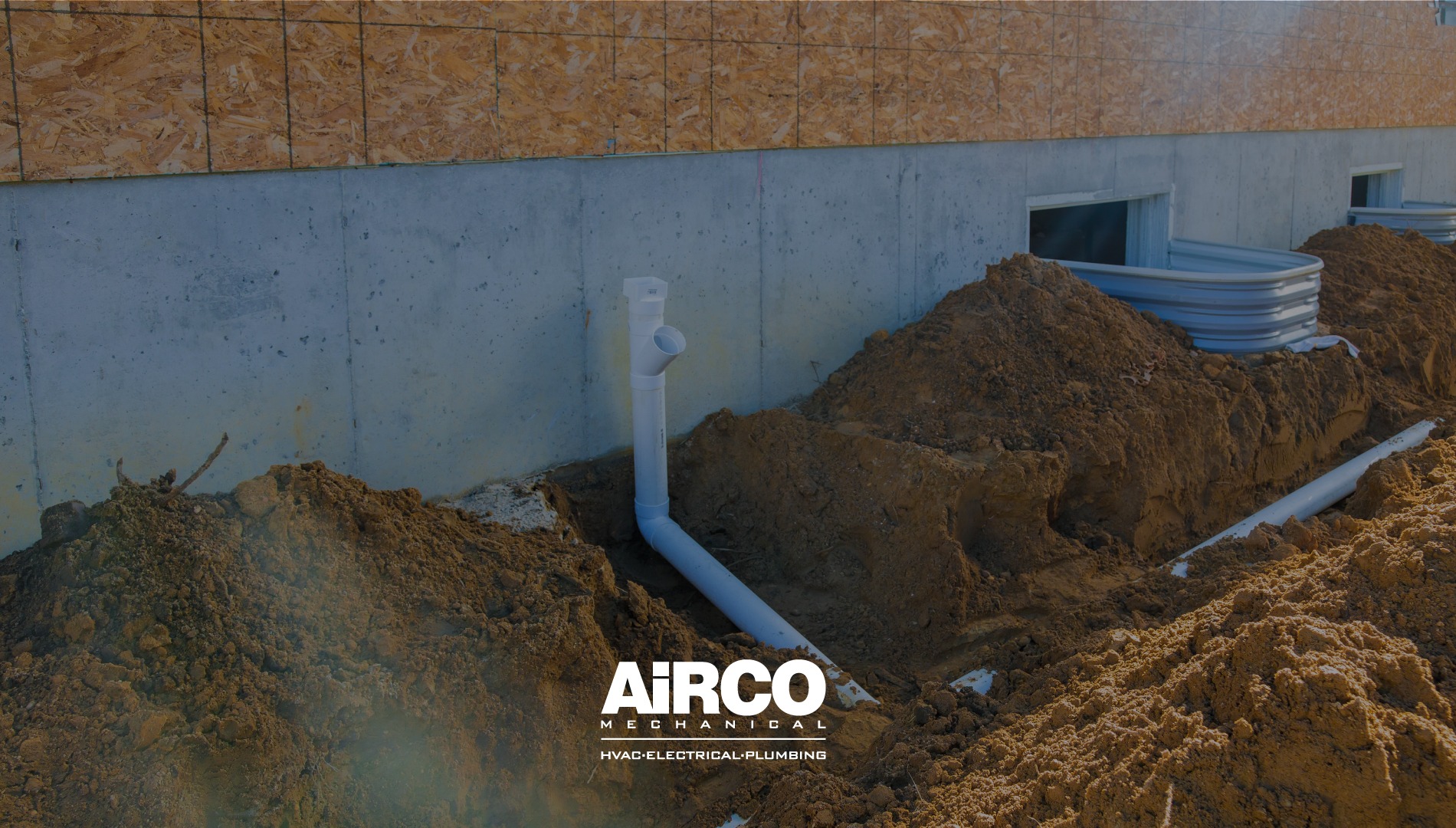
- PVC or CPVC for drain lines
- Epoxy pipe lining to seal interiors
Chemical Cleaners vs Preventive Maintenance
| Approach | Effect on Pipes | Long-Term Result |
| Chemical Cleaners | Accelerate corrosion | Short-term relief |
| Preventive Maintenance | Preserves pipe integrity | Long-term protection |
| Hydro Jetting | Removes buildup safely | Restores flow |
Preventive strategies always outperform reactive fixes.
Best Practices for Homeowners
To reduce corrosion risk:
- Avoid frequent chemical drain cleaners
- Address leaks immediately
- Monitor water pressure
- Install strainers to reduce debris
- Schedule annual plumbing checkups
Small habits make a big difference over time.
Conclusion
Preventing pipe corrosion in older homes requires awareness, routine maintenance, and the right cleaning methods. By managing water quality, avoiding harsh chemicals, and addressing early warning signs, homeowners can extend the life of their plumbing system and avoid expensive repairs.
If your home has aging pipes or signs of corrosion, don’t wait for a leak to occur. Contact AiRCO Mechanical today to schedule an inspection and protect your plumbing with professional, long-term solutions.
FAQs
1. Can pipe corrosion be reversed?
Corrosion cannot be reversed, but it can be slowed or stopped with proper maintenance.
2. Is pipe corrosion dangerous?
Yes. It can lead to leaks, water damage, and contamination.
3. Do chemical cleaners cause corrosion?
Frequent use of chemical cleaners accelerates pipe corrosion.
4. Is hydro jetting safe for older pipes?
When done by professionals, hydro jetting is safe and effective for many older pipes.
5. When should pipes be replaced instead of cleaned?
If pipes are severely corroded, leaking, or collapsing, replacement is recommended.