7 Pipe Relining vs Replacement Decisions That Transform & Improve Your Plumbing
Pipe Relining vs Replacement is one of the most important decisions homeowners face when dealing with damaged or aging pipes. In short, pipe relining repairs pipes from the inside with minimal disruption, while replacement removes and installs new piping entirely. The right choice depends on pipe condition, damage severity, access, and long-term goals. A professional drains and sewers service assessment helps determine which option delivers the best durability, cost control, and peace of mind.
What Is Pipe Relining and Pipe Replacement?
Pipe relining is a trenchless repair method that restores existing pipes by inserting a resin-saturated liner that cures into a new, seamless pipe within the old one.
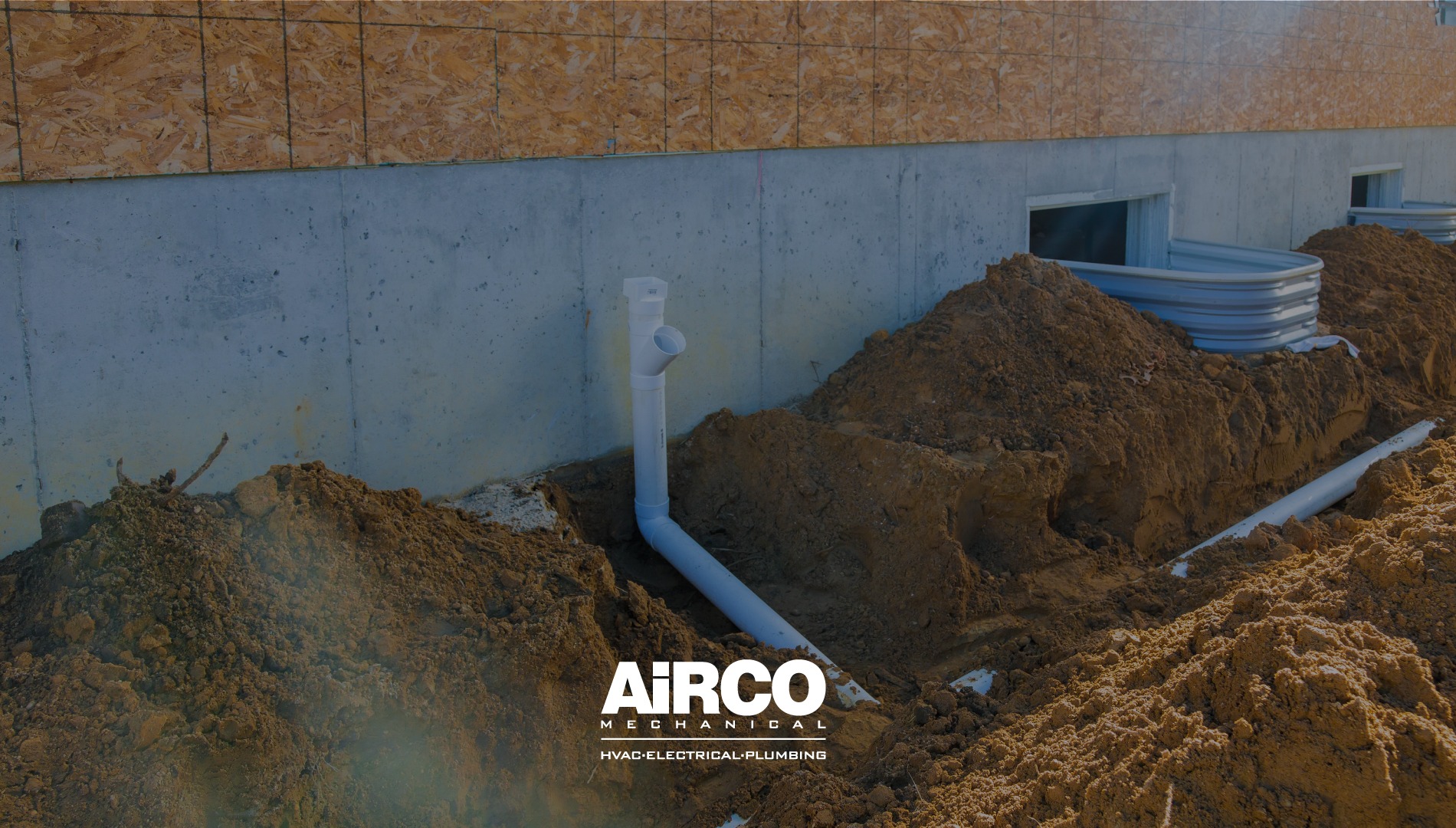
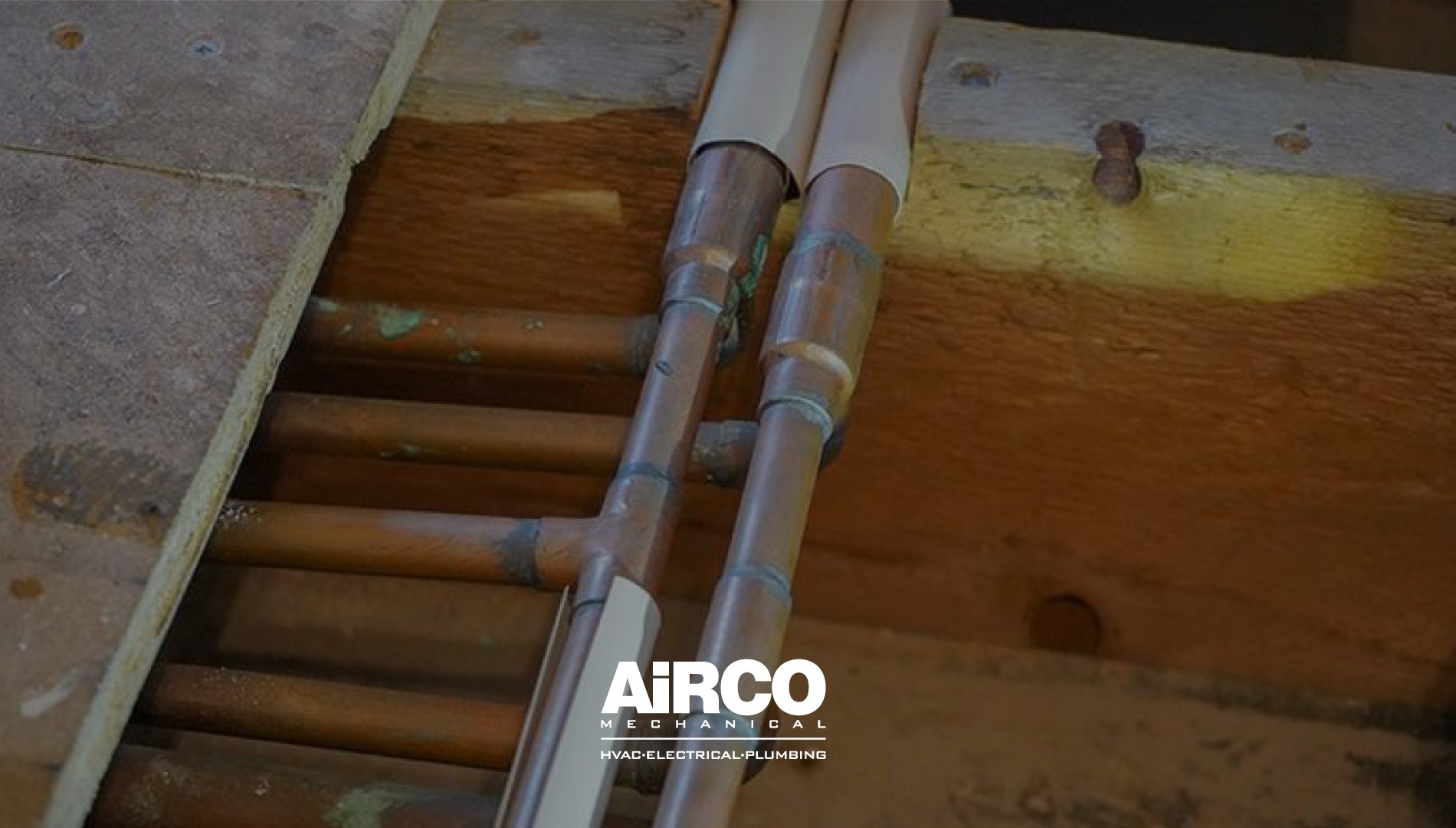
Pipe replacement, on the other hand, involves excavating or opening walls/floors to remove old pipes and install new materials such as PVC, copper, or PEX.
Understanding Pipe Relining vs Replacement starts with knowing how each method addresses structural damage and longevity.
Key Attributes That Differentiate Pipe Relining vs Replacement
Several attributes determine which method is suitable.
Evaluation Factors
- Extent of pipe damage
- Pipe material and age
- Accessibility of affected lines
- Budget considerations
- Expected lifespan after repair
- Disruption to landscaping or interiors
These attributes directly affect outcomes when comparing Pipe Relining vs Replacement.
How Each Method Works
Pipe Relining Process
- Camera inspection to assess damage
- Cleaning and preparation of existing pipe
- Insertion of resin-coated liner
- Curing to form a solid new pipe
- Final inspection and testing
Pipe Replacement Process
- Locating and accessing damaged pipe
- Excavation or wall/floor removal
- Removal of old piping
- Installation of new pipe sections
- Restoration of affected areas
Pipe Relining vs Replacement: Cost, Time & Impact
| Factor | Pipe Relining | Pipe Replacement |
| Installation Time | 1–2 days | Several days to weeks |
| Property Disruption | Minimal | High |
| Upfront Cost | Moderate | Higher |
| Longevity | 30–50 years | 40–70 years |
| Ideal For | Minor–moderate damage | Severe or collapsed pipes |
This comparison highlights why Pipe Relining vs Replacement is not a one-size-fits-all decision.
When Pipe Relining Is the Better Choice
Pipe relining works best when:
- Pipes are structurally intact but cracked or corroded
- Damage is localized
- Access is limited under slabs or landscaping
- Homeowners want a fast, low-impact solution
Relining also helps slow deterioration caused by corrosion, an issue discussed further in this guide on preventing pipe corrosion in older homes.
When Pipe Replacement Is Necessary
Replacement becomes the better option when:
- Pipes are collapsed or severely misaligned
- Extensive corrosion has weakened pipe walls
- Materials like old galvanized steel have failed
- Repeated repairs are no longer cost-effective
In these cases, Pipe Relining vs Replacement tilts clearly toward replacement for safety and reliability.
Long-Term Performance and Safety Considerations
According to the U.S. Environmental Protection Agency, deteriorating pipes can affect water quality and system integrity if not properly addressed
Choosing the correct repair method protects both plumbing performance and household health.
Preventing Future Pipe Damage
Regardless of which option you choose, prevention is essential.
Best Practices
- Schedule routine camera inspections
- Address slow drains early
- Avoid harsh chemical cleaners
- Maintain proper water pressure
- Replace aging materials proactively
Preventive care reduces the likelihood of facing major Pipe Relining vs Replacement decisions again.
Conclusion
Pipe Relining vs Replacement ultimately comes down to pipe condition, cost efficiency, and long-term goals. Relining offers a modern, minimally invasive fix for many problems, while replacement provides a complete reset for severely damaged systems.
Not sure which solution is right for your home? Contact Airco Mechanical today for a professional pipe inspection and expert guidance tailored to your plumbing system.
5 FAQs
- Is pipe relining as strong as new pipes?
Yes, relined pipes are durable and resistant to corrosion. - How long does pipe relining last?
Typically 30–50 years with proper maintenance. - Is replacement always more expensive?
Replacement often costs more due to labor and restoration work. - Can all pipes be relined?
No, collapsed or severely misaligned pipes usually require replacement. - Which option causes less disruption?
Pipe relining causes significantly less disruption than replacement.