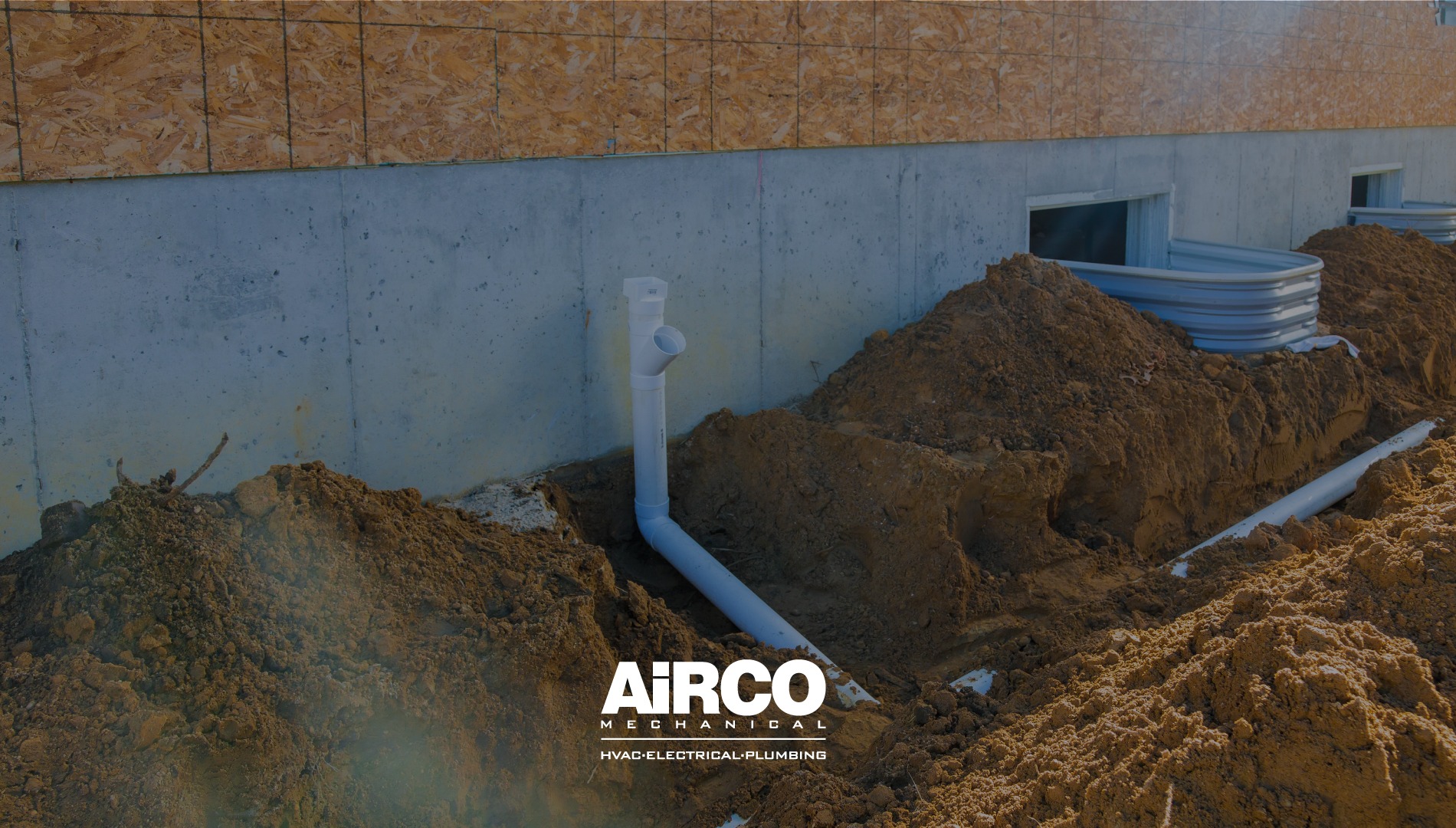
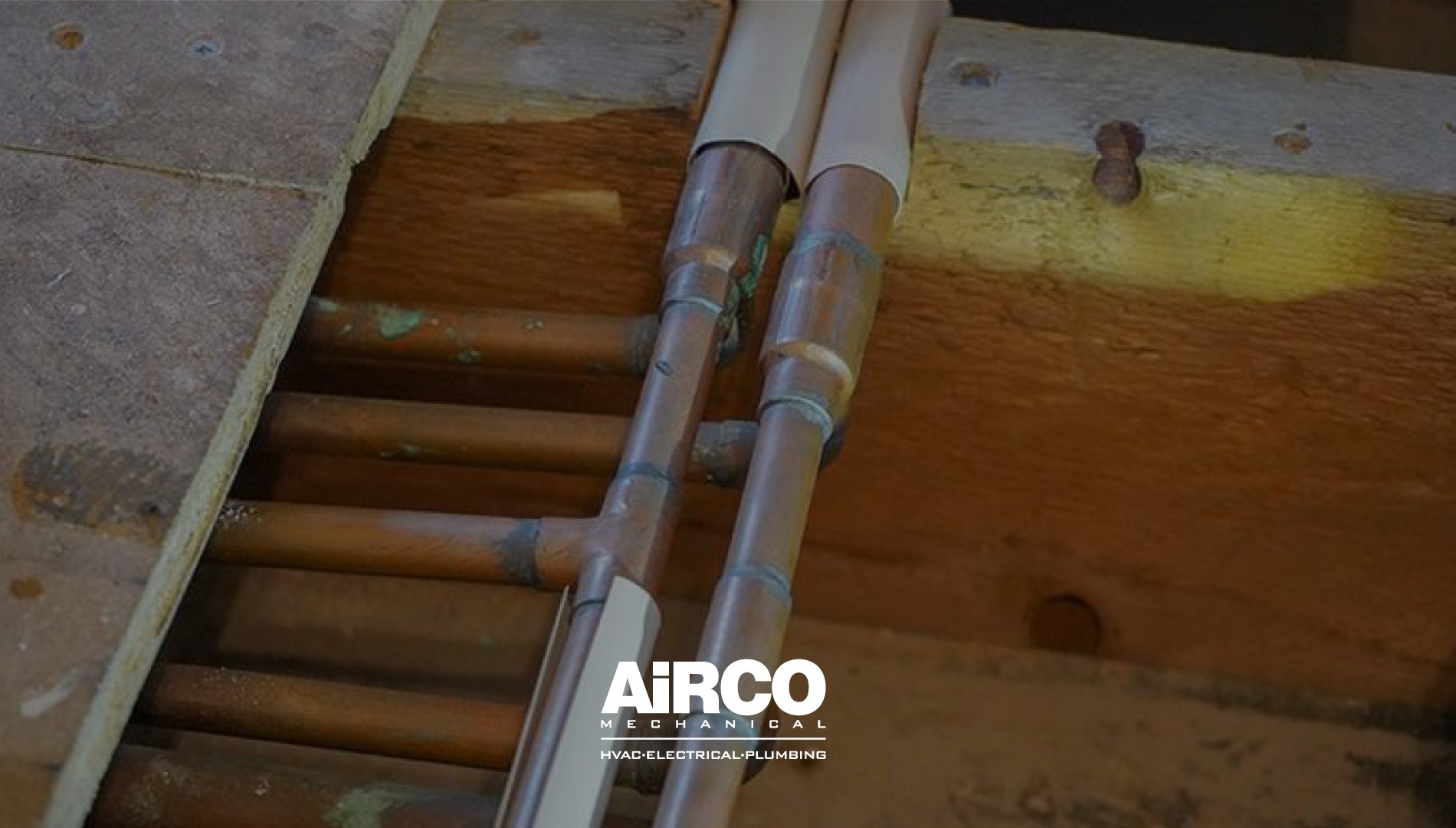
Renovating your home can be exciting, whether you’re updating your kitchen, modernizing your bathroom, or giving your entire space a fresh look. But many homeowners overlook one of the most important aspects of a successful renovation: plumbing. Mistakes in this area can lead to leaks, water damage, costly repairs, and safety hazards.
To help you avoid setbacks, we’ve outlined the five most common mistakes homeowners make during renovations and how to prevent them.
Ignoring Plumbing Layout During the Design Phase
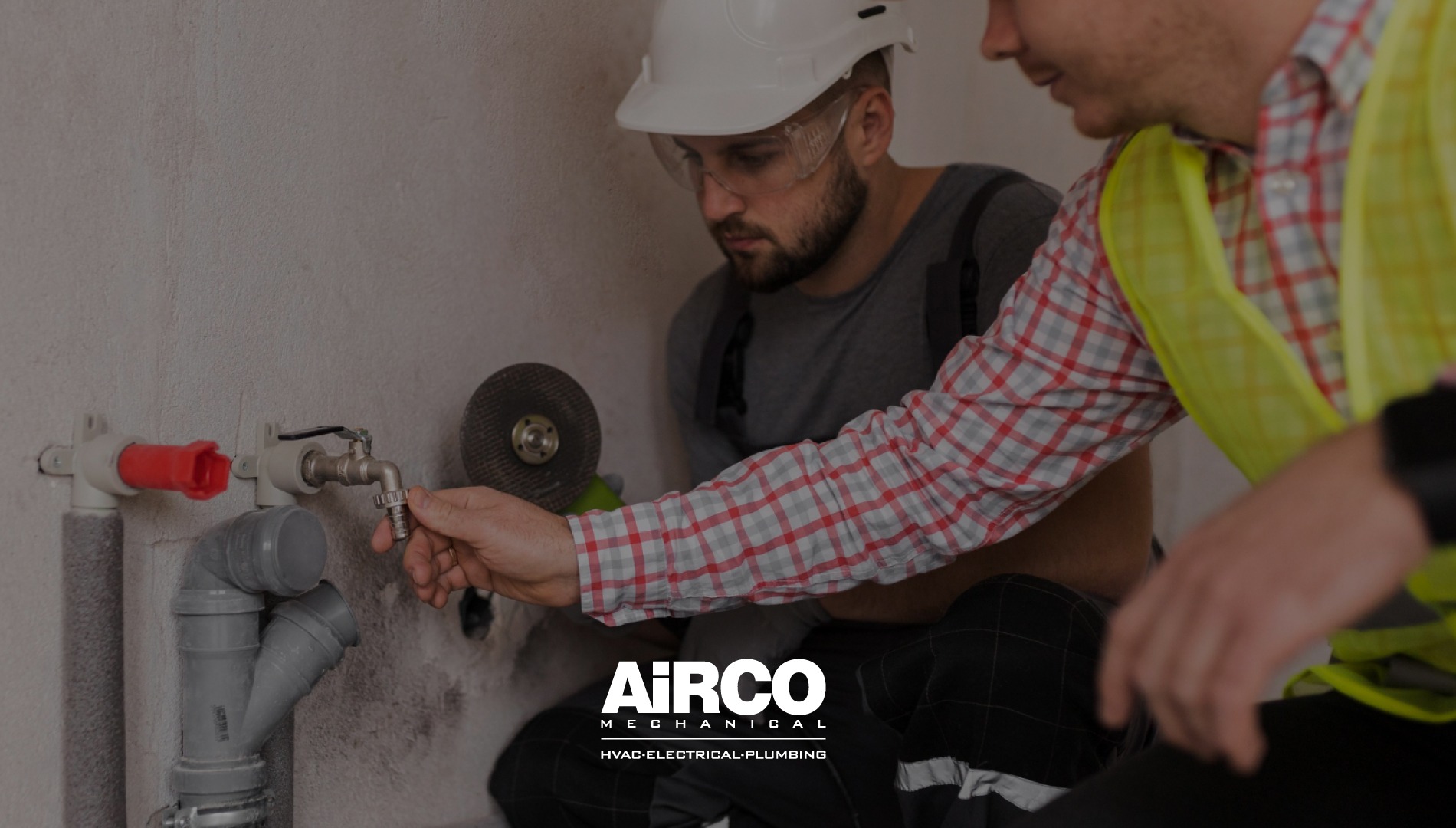
One of the biggest mistakes homeowners make is not considering proper layout early in the renovation process. Changing the location of sinks, dishwashers, or showers without a proper plan can mean re-routing pipes, which adds significant cost and time.
Why this matters:
- Poor planning often results in inefficient layouts.
- Relocating plumbing can disrupt existing systems.
- It may require cutting into walls or floors unnecessarily.
Tip to Avoid: Always involve a professional plumber during the planning stage. They can advise whether your desired layout is feasible or if adjustments are needed to minimize costs.
Using Low-Quality Materials
When budgets get tight, some homeowners try to save money by purchasing cheaper pipes, fixtures, and fittings. While it may seem cost-effective upfront, low-quality materials are more likely to fail prematurely.
Common issues with poor materials:
- Plastic fittings that crack under pressure
- Low-grade faucets that corrode quickly
- Pipes that don’t meet building codes
Investing in high-quality, code-compliant materials ensures durability, safety, and fewer repairs in the future.
For guidance on water-saving and efficient fixtures, the EPA WaterSense Program provides excellent recommendations.
Overlooking Proper Venting
Many homeowners don’t realize that proper plumbing venting is essential for draining systems. Vent pipes prevent sewer gases from entering the home and ensure water flows smoothly.
Signs of poor venting:
- Gurgling sounds in drains
- Slow drainage in sinks or tubs
- Unpleasant odors in bathrooms or kitchens
Tip to Avoid: Make sure any new sinks, tubs, or dishwashers installed during your renovation are connected to a properly designed venting system. Neglecting this step can result in code violations and expensive fixes later.
DIY Plumbing Without Experience
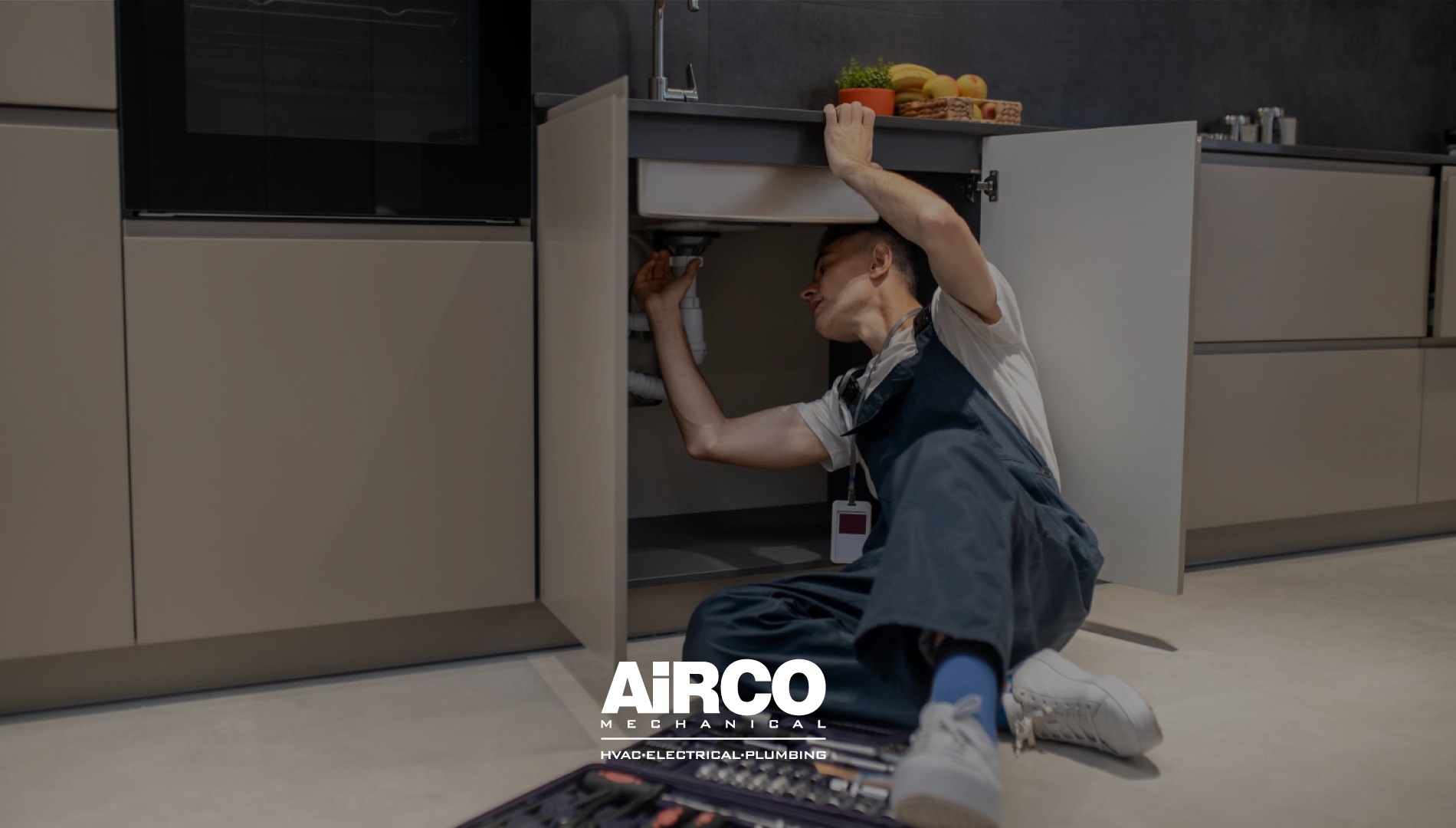
It’s tempting to handle plumbing tasks on your own, but plumbing is not a typical DIY job. Even small mistakes like improper pipe connections can cause major issues.
Risks of DIY plumbing include:
- Incorrect installations leading to leaks
- Non-compliance with Texas building codes
- Voiding manufacturer warranties on fixtures
When to Call a Professional:
If your renovation involves re-routing pipes, installing new fixtures, or upgrading appliances, always rely on licensed plumbers. They have the expertise to ensure your system is safe, efficient, and up to code.
If you’re considering a major renovation, check out our Residential Plumbing Services to ensure your project runs smoothly from start to finish.
Forgetting About Future Maintenance
Many homeowners renovate with aesthetics in mind but forget about maintenance and accessibility. Installing pipes in hard-to-reach areas or sealing shut access panels makes future repairs much more complicated.
Why this matters:
- Future leaks or clogs may require cutting into finished walls.
- Appliances like dishwashers or water heaters may need regular servicing.
- Accessible shut-off valves are essential for emergencies.
Tip to Avoid: Work with your plumber to ensure your renovated plumbing system is not only beautiful but also accessible for maintenance. Adding shut-off valves, access panels, and proper spacing will save you time, stress, and money in the long run.
Final Thoughts
Plumbing is the hidden backbone of your home’s renovation. By avoiding these five common mistakes poor planning, cheap materials, improper venting, DIY errors, and neglecting maintenance you’ll ensure your project is safe, efficient, and long-lasting.
With the right planning and the help of experienced professionals, your renovation can be a success without unexpected plumbing headaches.
FAQs
Q1. What is the most common plumbing mistake during a kitchen remodel?
Failing to plan the plumbing layout before moving sinks or dishwashers often causes costly pipe rerouting.
Q2. Can I do plumbing work myself during a renovation?
Small tasks like changing a faucet may be DIY-friendly, but major work like rerouting pipes should be handled by licensed plumbers.
Q3. How do I know if my plumbing materials meet building codes?
Always purchase fixtures and pipes from reputable suppliers. A licensed plumber can confirm compliance with Texas codes.
Q4. Why is venting important in plumbing?
Proper venting prevents sewer gases from entering your home and ensures smooth water drainage.
Q5. Should I budget extra for plumbing in my renovation?
Yes. Unexpected issues often arise once walls are opened, so budgeting an additional 10–15% for plumbing is wise.
Do you have questions, or are you ready to start your next project? Explore our services at AiRCO Mechanical!