How Camera Inspections Work Before Drain Cleaning
Camera inspections are used before drain cleaning to accurately locate blockages, assess pipe condition, and choose the most effective cleaning method without guesswork. By sending a high-resolution camera through the drain line, plumbers can identify clogs, buildup, cracks, or root intrusion and clean the drain precisely—saving time, preventing damage, and avoiding unnecessary repairs. A professional drain cleaning service relies on camera inspections to ensure the right solution is applied the first time.
What Is a Drain Camera Inspection?
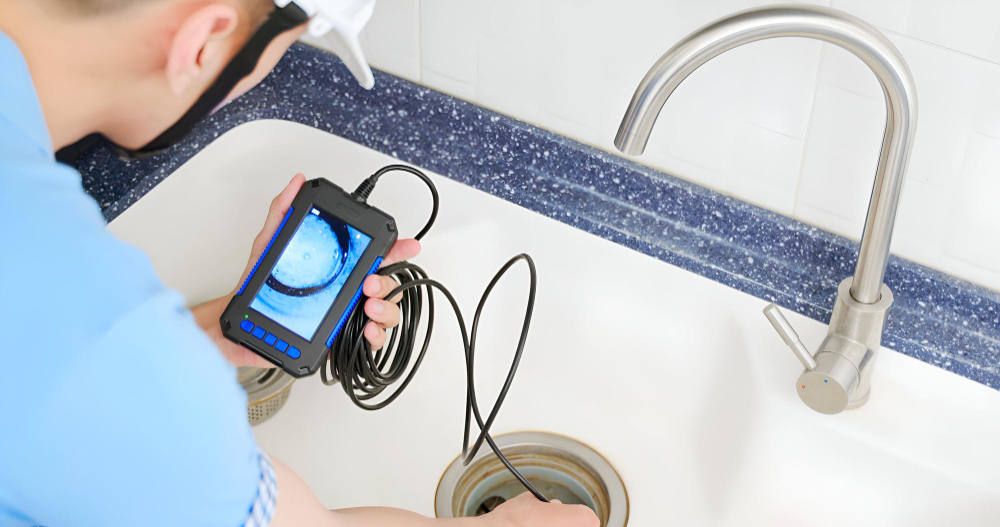
A drain camera inspection is a non-invasive diagnostic process that allows plumbers to visually examine the inside of sewer and drain pipes. A waterproof, flexible camera is fed through the drain line and transmits real-time video to a monitor, giving a clear view of the pipe’s interior condition.
Unlike traditional methods that rely on trial and error, camera inspections provide exact information about where the problem is and what is causing it.
Why Camera Inspections Are Done Before Drain Cleaning
Performing a camera inspection before cleaning ensures the correct approach is used. Different drain issues require different solutions, and cleaning blindly can worsen the problem.
Camera inspections help plumbers:
- Confirm whether the issue is a clog or structural damage
- Locate the exact position of blockages
- Determine pipe material and condition
- Avoid pipe damage during cleaning
- Prevent recurring drain problems
This step is especially important for recurring clogs, slow drains, or suspected sewer line issues.
How the Camera Inspection Process Works
The inspection process is simple but highly effective. It follows a step-by-step approach to ensure accuracy.
Step-by-Step Process
- Camera Insertion: A flexible camera cable is inserted into the drain or sewer access point.
- Real-Time Video Monitoring: The plumber watches live footage as the camera moves through the pipe.
- Problem Identification: Blockages, buildup, cracks, corrosion, or root intrusion are identified.
- Depth and Location Marking: The exact location of the issue is marked to guide cleaning or repairs.
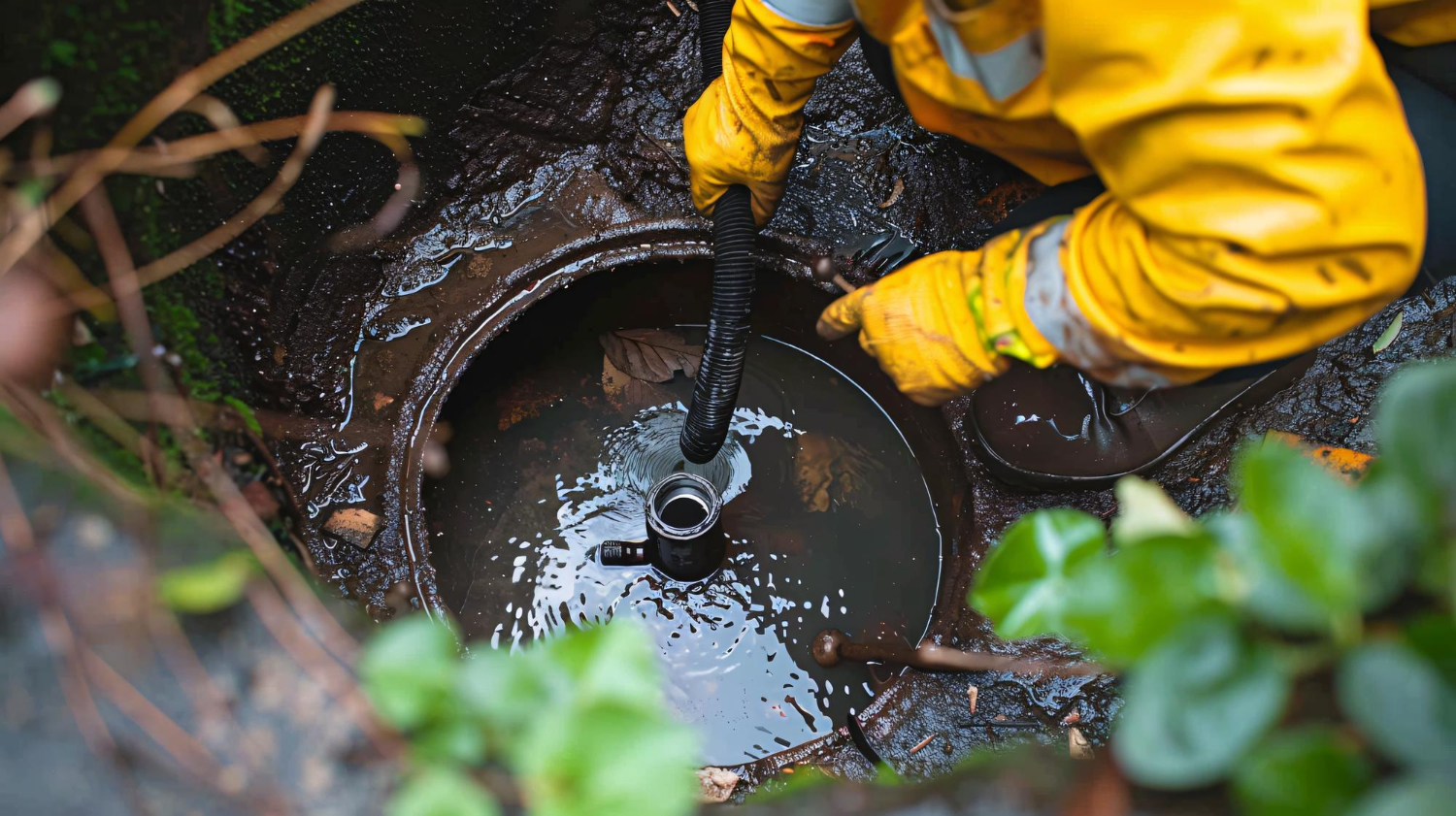
- Cleaning Method Selection: The plumber determines whether snaking, hydro jetting, or repair is needed.
This eliminates unnecessary digging or repeated cleanings.
Common Problems Found During Camera Inspections
Camera inspections often reveal issues that aren’t visible from the surface.
Typical Findings
- Grease and sludge buildup
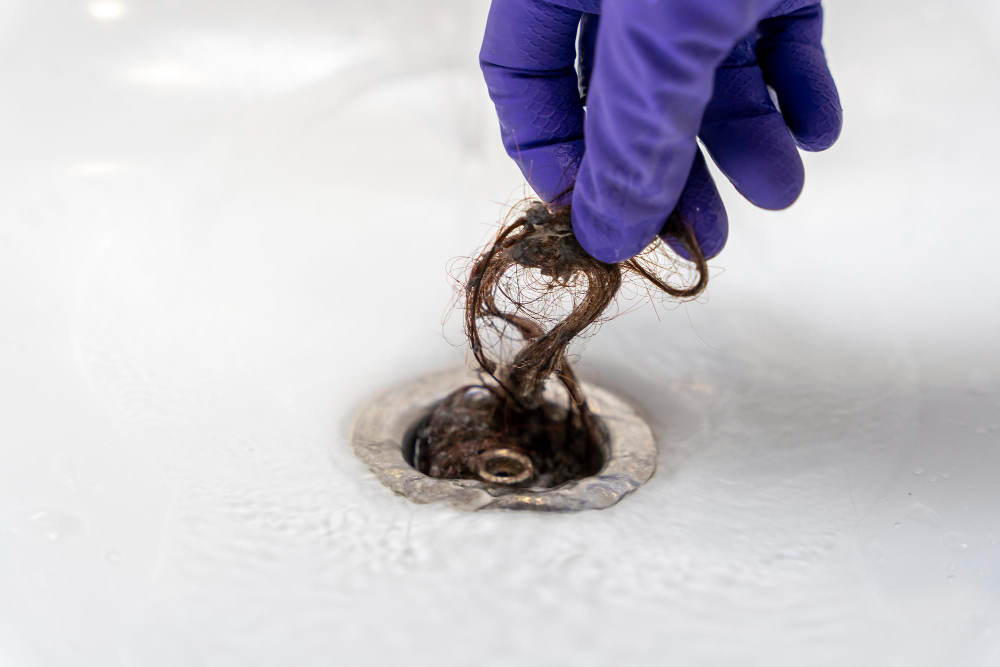
- Hair and soap scum blockages
- Tree root intrusion
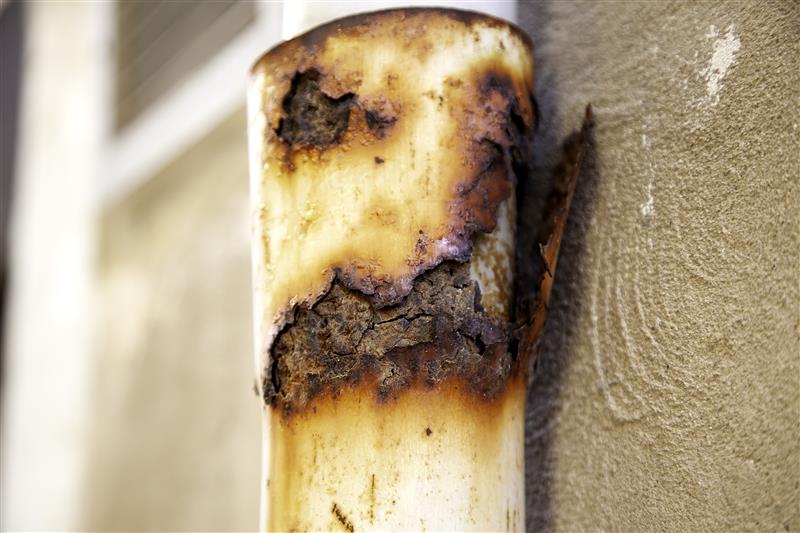
- Cracked, collapsed, or corroded pipes
- Foreign objects stuck in the line
- Misaligned or offset pipe joints
Identifying these problems early helps prevent backups and costly repairs.
How Camera Inspections Improve Drain Cleaning Results
When drain cleaning is guided by camera inspection, it becomes more effective and long-lasting. Instead of temporarily clearing a clog, plumbers can fully restore proper flow and address underlying issues.
Key Benefits
- Targeted cleaning instead of guesswork
- Reduced risk of pipe damage
- Faster service and fewer repeat visits
- Long-term drain performance improvement
- Accurate recommendations for repairs if needed
This approach also helps homeowners better understand when to clean sewer line as part of a regular maintenance schedule.
When You Should Request a Camera Inspection
Camera inspections are especially recommended if you experience:
- Frequent or recurring clogs
- Slow drains throughout the home
- Gurgling sounds from pipes
- Foul sewer odors
- Suspected tree root damage
- Older or aging sewer lines
In these situations, cleaning without inspection may only provide temporary relief.
Conclusion
Camera inspections play a critical role in effective drain cleaning by identifying the exact cause and location of plumbing issues before any cleaning begins. This technology allows for precise, safe, and efficient service while preventing unnecessary damage or repeat problems. By addressing the root cause instead of just the symptoms, camera inspections help maintain healthier, longer-lasting drain and sewer systems.