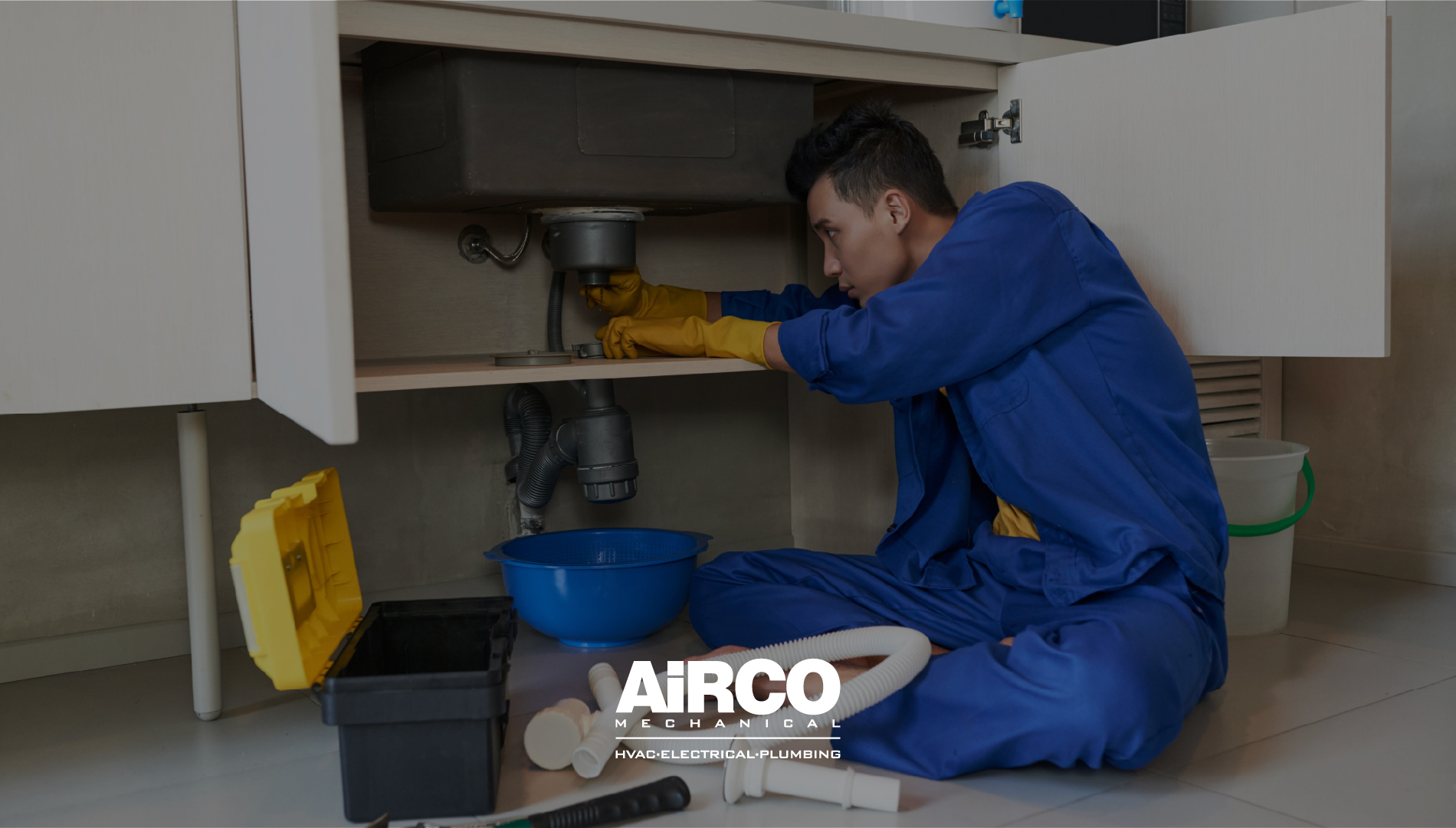
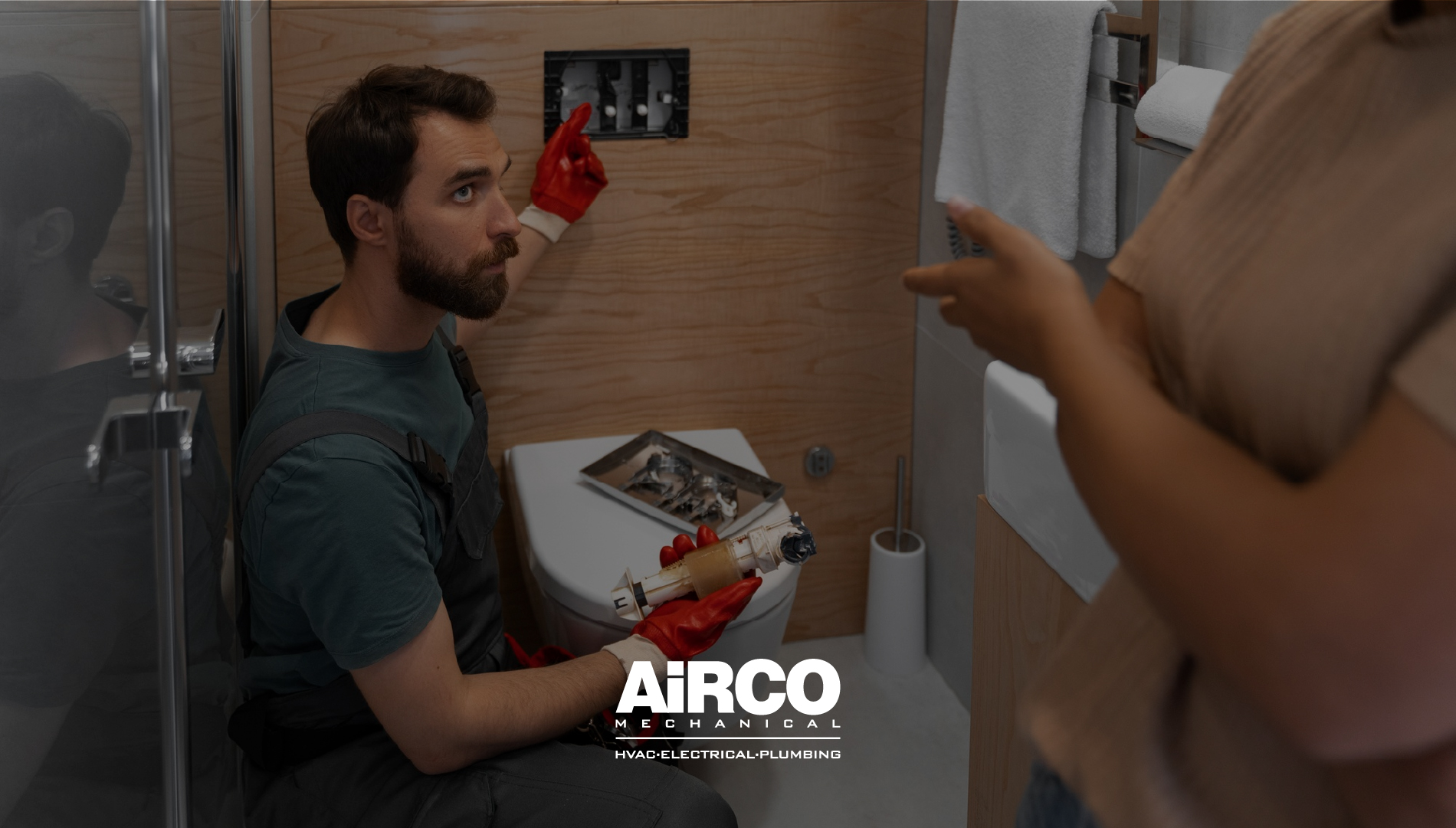
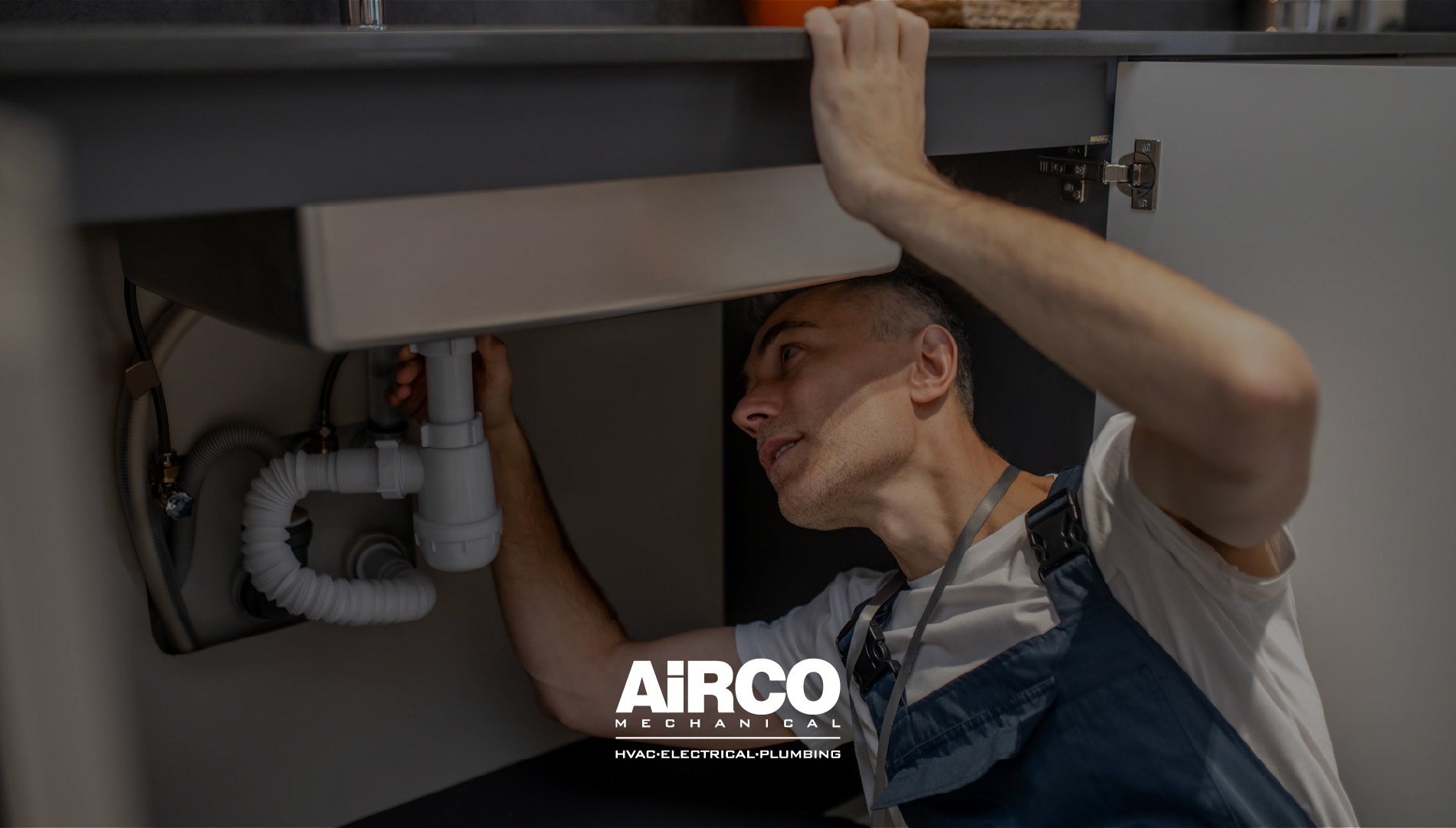
General plumbing services include leak detection, pipe repair, fixture replacement, water-pressure testing, shutoff-valve servicing, appliance connections, water-line maintenance, drainage troubleshooting, and preventive inspections. These services help homeowners maintain safe water delivery, reliable wastewater removal, efficient fixtures, and protection against costly water damage. Airco Mechanical provides professional general plumbing services covering installation, repair, replacement, and maintenance for residential plumbing systems.
A home plumbing system connects the main water supply, hot-water equipment, pipes, valves, faucets, toilets, appliances, drains, vents, sewer lines, and sometimes sump pumps or water-treatment equipment. A problem in one area may affect multiple rooms. Homeowners can contact Airco Mechanical for coordinated residential plumbing, HVAC, and electrical solutions.
Main Entities in a Residential Plumbing System
| Entity | Main role | Common problem |
|---|---|---|
| Main water line | Brings water into the property | Leak, corrosion, or low pressure |
| Supply pipes | Carry hot and cold water | Freezing, pinholes, or joint leaks |
| Shutoff valves | Isolate water flow | Seizing or leaking |
| Water heater | Produces hot water | Leaks, sediment, or temperature problems |
| Fixtures | Deliver and control water | Dripping, low flow, or damage |
| Traps | Prevent sewer gas entry | Drying, leakage, or blockage |
| Drainpipes | Carry wastewater | Clogs, cracks, or poor slope |
| Plumbing vents | Balance drainage pressure | Blockage or improper venting |
| Sewer line | Carries waste away from home | Roots, collapse, or buildup |
| Pressure regulator | Controls incoming pressure | Excessive or weak pressure |
A complete plumbing assessment considers water delivery and drainage together.
General Plumbing Services Homeowners Commonly Need
1. Leak Detection
Leaks can occur:
- Beneath sinks
- Behind walls
- Under floors
- Near toilets
- At appliance connections
- Inside ceilings
- In the main water line
- At outdoor faucets
- Near the water heater
Warning signs
- Unexpected water use
- Damp walls or flooring
- Musty odors
- Reduced pressure
- Water-meter movement when fixtures are off
- Staining on ceilings
- Sounds of water behind walls
EPA WaterSense reports that household leaks can collectively waste nearly one trillion gallons of water nationwide each year. Its Fix a Leak Week guidance recommends finding and repairing leaks throughout the year.
Professional leak detection may involve pressure testing, moisture meters, acoustic equipment, thermal imaging, isolation tests, or visual inspection.
2. Pipe Repair and Replacement
Pipes can fail because of:
- Corrosion
- Age
- Freezing
- Excess pressure
- Poor installation
- Ground movement
- Chemical damage
- Physical impact
- Joint deterioration
A plumber may repair one damaged section or recommend repiping when failures are widespread.
| Condition | Local repair | Larger replacement |
|---|---|---|
| One accessible joint leaks | Often suitable | Usually unnecessary |
| Multiple pinhole leaks | Temporary solution | Repiping may be better |
| One frozen section cracks | Repair possible | Inspect surrounding system |
| Extensive corrosion | Limited value | Replacement often stronger |
| Poor water quality from old pipes | Unlikely to solve fully | New piping may help |
| Repeated pressure-related leaks | Repair plus pressure correction | Broader upgrade may be needed |
3. Water-Pressure Diagnosis
Both low and high water pressure can cause plumbing problems.
Low pressure may result from:
- Closed valves
- Pipe corrosion
- Mineral buildup
- Main-line leaks
- Municipal supply conditions
- Pressure-regulator failure
- Fixture restrictions
High pressure may cause:
- Faucet and valve wear
- Noisy pipes
- Appliance hose damage
- Toilet fill-valve failure
- Leaking fixtures
- Shorter equipment life
Pressure should be measured rather than estimated from fixture feel alone.
4. Shutoff-Valve Repair
Every homeowner should know the location of:
- Main water shutoff
- Water-heater shutoff
- Toilet valves
- Sink valves
- Dishwasher valve
- Refrigerator valve
- Washing-machine valves
- Outdoor water controls
Valves may corrode, seize, leak, or fail to stop water. An inoperable valve can turn a small fixture leak into a larger emergency because water cannot be isolated quickly.
5. Fixture Installation and Replacement
Professional plumbers install and replace:
- Faucets
- Toilets
- Sinks
- Showerheads
- Bathtubs
- Disposal units
- Utility sinks
- Outdoor faucets
- Appliance connections
Correct installation includes compatible fittings, proper sealing, stable mounting, drainage alignment, pressure testing, and leak inspection.
WaterSense-labeled products are independently certified to use at least 20% less water while performing as well as or better than regular models.
6. Appliance Plumbing Connections
Appliances that may require plumbing support include:
- Dishwashers
- Refrigerators
- Washing machines
- Ice makers
- Water dispensers
- Water softeners
- Filtration systems
Connection problems can cause slow leaks behind appliances where damage remains hidden.
Common warning signs
- Water beneath the appliance
- Weak dispenser flow
- Dishwasher backups
- Washer hoses bulging
- Corroded valves
- Unusual drainage sounds
- Damp flooring
Professional installation helps ensure that supply lines, drain hoses, shutoff valves, and fittings match the appliance.
7. Water-Heater Plumbing Support
Water-heater problems can affect the entire home.
Symptoms include:
- Insufficient hot water
- Discolored hot water
- Water near the tank
- Temperature fluctuation
- Pressure-relief valve discharge
- Unusual sounds
- Corroded connections
Some problems are related to the heating equipment, while others involve supply pipes, valves, expansion control, or drainage.
8. Drainage Troubleshooting
A drainage problem may affect one fixture or the complete home.
| Pattern | Likely direction |
|---|---|
| One sink is slow | Local trap or branch clog |
| One toilet clogs | Fixture blockage |
| Multiple fixtures back up | Main drain or sewer concern |
| Gurgling occurs | Airflow or venting issue |
| Sewer odor persists | Trap, vent, or drain defect |
| Lowest drain overflows | Main-line backup |
Professional diagnosis prevents unnecessary fixture replacement when the actual problem is farther downstream.
9. Plumbing Vent Services
Vents allow air to enter drainage pipes and direct sewer gases outdoors.
Poor venting may cause:
- Slow drainage
- Gurgling
- Trap siphoning
- Sewer odors
- Repeated clogs
- Inconsistent toilet flushing
Vent problems can result from blockage, damage, incorrect design, or installation changes during remodeling.
10. Preventive Plumbing Inspection
Preventive inspections can identify:
- Slow leaks
- Corroded valves
- Aging supply lines
- Excess pressure
- Fixture movement
- Drainage concerns
- Water-heater connection problems
- Sewer warning signs
- Poor previous repairs
Airco Mechanical states that plumbing maintenance helps keep equipment operating efficiently and covers systems from water heaters and pipes to drains and sewer lines.
General Plumbing Services: Repair vs. Emergency
| Situation | Routine appointment | Urgent response |
|---|---|---|
| Slow faucet drip | Yes | If water spreads into cabinets |
| One slow drain | Yes | If sewage returns |
| Low pressure | Yes | If sudden and linked to a major leak |
| Running toilet | Yes | If shutoff valve fails |
| Minor pipe condensation | Inspect | If active leakage is present |
| Water heater noise | Schedule diagnosis | If tank leaks |
| Corroded valve | Replace preventively | If valve breaks or will not close |
| Sewer odor | Prompt diagnosis | If accompanied by sewage backup |
Knowing when to act can reduce damage.
How Plumbers Diagnose Whole-Home Problems
Step 1: Review symptoms
The plumber identifies where, when, and how frequently the issue occurs.
Step 2: Inspect fixtures and visible piping
Connections, valves, drains, appliances, and equipment are checked.
Step 3: Test pressure and flow
This distinguishes fixture restrictions from whole-home supply problems.
Step 4: Evaluate drainage patterns
Multiple fixtures are operated to identify local or main-line issues.
Step 5: Isolate systems
Branches, fixtures, valves, and appliances may be tested separately.
Step 6: Recommend repair or replacement
The recommendation considers safety, age, reliability, cost, and recurrence risk.
This process is why professional general plumbing services are more effective than replacing components without diagnosis.
Preventive Plumbing Schedule
Monthly
- Look beneath sinks
- Check toilet bases
- Listen for running toilets
- Review water pressure
- Inspect appliance hoses
- Check the water heater area
- Test drainage speed
Every six months
- Operate accessible shutoff valves
- Inspect outdoor faucets
- Check exposed piping
- Clean aerators
- Review water bills for unexplained changes
- Look for corrosion
Annually
- Schedule professional inspection if the home is older
- Replace deteriorating hoses
- Service recurring clogs
- Review pressure-regulator performance
- Inspect the water heater
- Check sewer warning signs
Home Plumbing Checklist
| Question | Yes/No |
|---|---|
| Is the main shutoff easy to locate? | |
| Do all fixture valves close properly? | |
| Are pipes and connections dry? | |
| Do toilets stop running after filling? | |
| Do drains empty without gurgling? | |
| Is water pressure consistent? | |
| Are appliance hoses in good condition? | |
| Is the water-heater area dry? | |
| Are water bills stable? | |
| Have recurring problems been professionally inspected? |
Conclusion
Plumbing reliability depends on clean water delivery, safe wastewater removal, working valves, sound pipes, correctly installed fixtures, and preventive maintenance. Small issues such as drips, slow drains, pressure changes, or corrosion can reveal larger problems.
Professional general plumbing services help homeowners diagnose the source, make durable repairs, plan replacements, and prevent avoidable water damage. Contact Airco Mechanical for residential plumbing installation, maintenance, repairs, and system evaluations throughout Central Texas.
FAQs
1. What do general plumbing services include?
They include leak repair, pipe work, fixture installation, valve service, pressure checks, appliance connections, and drainage troubleshooting.
2. How can I detect a hidden leak?
Watch for meter movement, damp materials, staining, musty odors, or unexpected water use.
3. Is low water pressure always a pipe problem?
No. It may come from a fixture, closed valve, pressure regulator, main supply, or hidden leak.
4. How often should plumbing be inspected?
Perform visual checks monthly and arrange professional inspection when problems recur or the system is aging.
5. Should old supply hoses be replaced?
Yes, when they show corrosion, bulging, cracking, leakage, or other deterioration.