9 Causes of Low Water Pressure in Homes That Transform & Improve Plumbing Performance
Low Water Pressure in Homes is a common plumbing issue that usually stems from blocked pipes, hidden leaks, aging plumbing materials, or problems within the main water supply. When pressure drops, daily tasks like showering, washing dishes, or running appliances become frustrating and inefficient. Identifying the cause early—often during a professional home plumbing setup and installation—helps restore consistent flow and prevents long-term damage to your plumbing system.
What Is Water Pressure?
Water pressure refers to the force that pushes water through your home’s plumbing system. It is measured in pounds per square inch (PSI). Most homes function best between 40–60 PSI. When pressure falls below this range, fixtures struggle to deliver adequate water flow.
Understanding Low Water Pressure in Homes starts with recognizing how pressure is generated and maintained throughout the plumbing system.
Key Attributes Affecting Water Pressure
Several core attributes influence household water pressure:
- Pipe diameter and material
- Distance from municipal supply
- Plumbing system design
- Fixture condition
- Water demand within the home
Any weakness in these attributes can result in Low Water Pressure in Homes.
How Water Pressure Works in Residential Plumbing
- Water enters from the municipal supply or well
- Pressure regulators control incoming force
- Water travels through pipes to fixtures
- Valves and aerators regulate final output
Disruptions at any stage reduce overall pressure.
9 Common Causes of Low Water Pressure in Homes
1. Clogged Pipes
Mineral buildup, sediment, or corrosion narrows pipes, restricting water flow.
2. Leaks in the Plumbing System
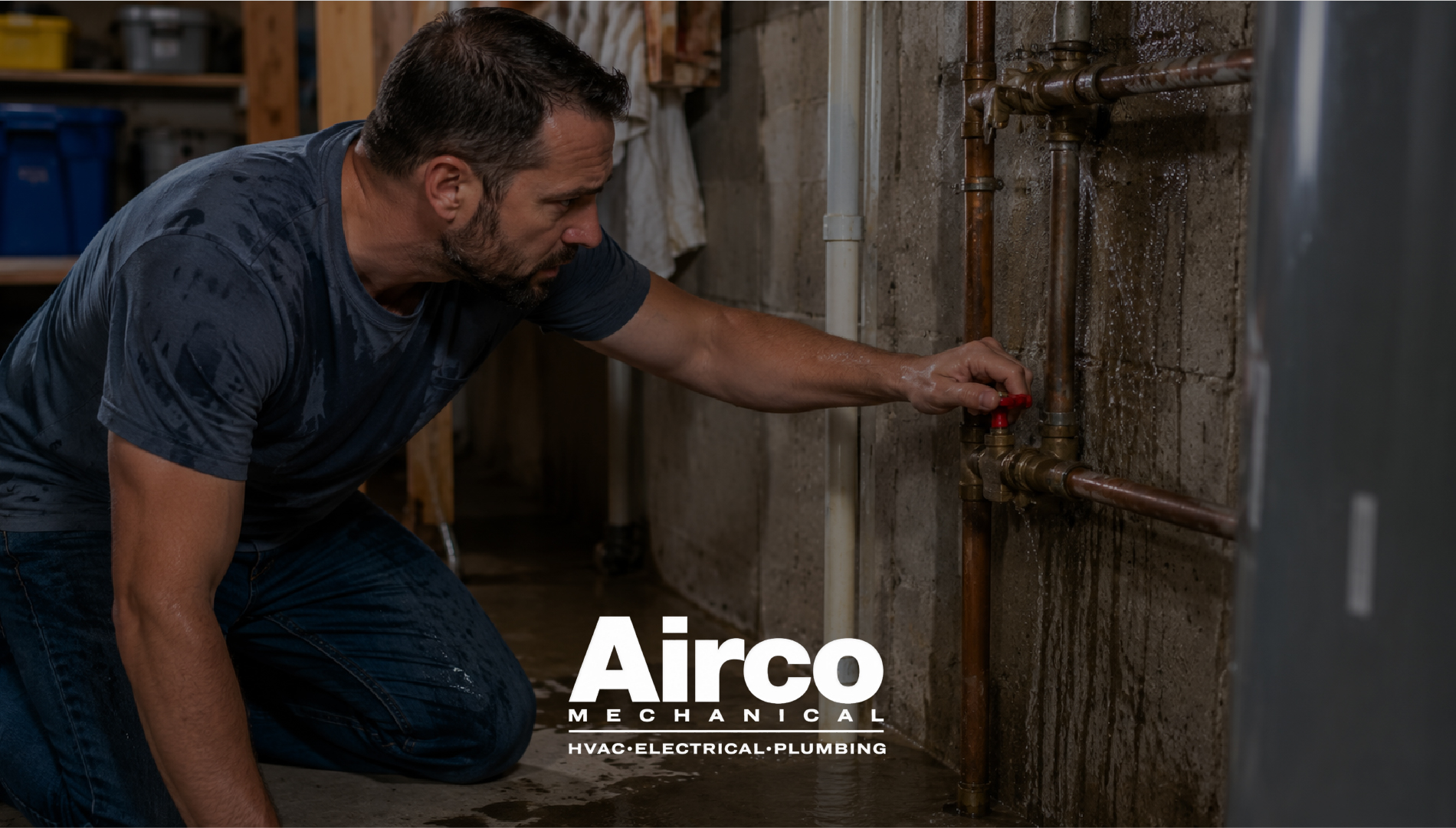
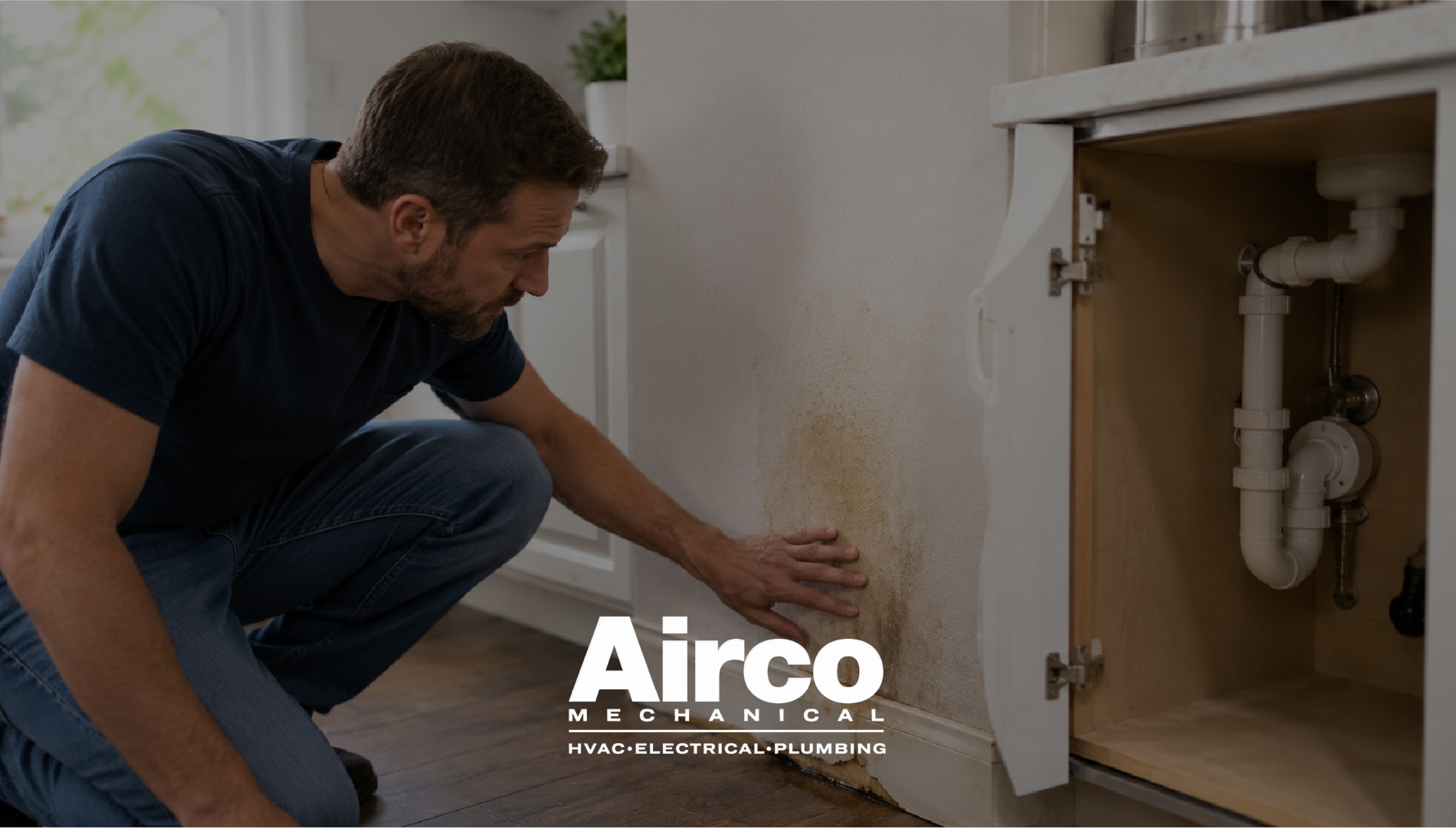
Hidden leaks divert water away from fixtures, lowering pressure throughout the home.
3. Corroded or Aging Pipes
Older galvanized steel pipes rust internally, dramatically reducing flow capacity.
4. Partially Closed Valves
Main shutoff valves or fixture valves that aren’t fully open limit water delivery.
5. Faulty Pressure Regulator
A malfunctioning regulator can reduce pressure below optimal levels.
6. High Water Demand
Running multiple fixtures at once overwhelms system capacity.
7. Municipal Supply Issues
Temporary maintenance or supply limitations affect household pressure.
8. Blocked Sewer or Drain Lines
Severe blockages can indirectly impact pressure balance. In some cases, advanced solutions like trenchless sewer repair restore proper system performance.
9. Fixture-Specific Problems
Clogged aerators or failing showerheads restrict output at individual fixtures.
Low Water Pressure in Homes vs Normal Flow
| Condition | Normal Pressure | Low Pressure |
| Shower Flow | Steady & strong | Weak or uneven |
| Faucet Output | Immediate | Delayed |
| Appliance Performance | Efficient | Sluggish |
| Water Usage | Balanced | Inefficient |
This comparison highlights how Low Water Pressure in Homes affects daily comfort and efficiency.
How Low Water Pressure Impacts Your Home
- Longer appliance cycles
- Inconsistent temperatures
- Increased wear on plumbing fixtures
- Reduced water efficiency
- Potential pipe damage over time
Preventing Low Water Pressure in Homes
Preventive maintenance plays a key role in avoiding pressure issues.
Best Practices
- Schedule routine plumbing inspections
- Replace aging pipes proactively
- Clean faucet aerators regularly
- Monitor water bills for hidden leaks
- Address slow drains early
According to the U.S. Environmental Protection Agency, maintaining plumbing efficiency reduces water waste and improves household performance
Conclusion
Low Water Pressure in Homes is rarely a mystery—it’s usually caused by identifiable plumbing issues that worsen over time if ignored. From clogged pipes to aging infrastructure, addressing the root cause restores comfort, protects fixtures, and improves overall system efficiency.
If your home is experiencing weak or inconsistent water pressure, contact Airco Mechanical today. Our plumbing experts diagnose pressure problems accurately and deliver lasting solutions tailored to your home.
5 FAQs
- What is considered low water pressure in a home?
Anything below 40 PSI is typically considered low. - Can low water pressure damage appliances?
Yes, it can reduce efficiency and strain components over time. - Do older homes experience more pressure issues?
Yes, aging pipes are a common cause of pressure loss. - Can clogged drains cause low pressure?
Indirectly, yes—severe blockages can disrupt system balance. - Should I fix low pressure immediately?
Yes, early repairs prevent bigger plumbing problems later.