Common Causes of Clogged Drains and How to Prevent Them
Introduction
Clogged drains are a common hassle for many homeowners, usually caused by everyday issues like grease, hair, soap scum, food scraps, or items that shouldn’t be flushed. When these materials build up inside your pipes, they slow water flow and eventually create stubborn blockages.
The good news is that most clogs are preventable with better habits and routine maintenance. Working with a professional drain cleaning service can also help keep your drains clear, reduce backups, and protect your plumbing from long-term damage.
What Causes Drains to Clog?
Drains clog when everyday materials accumulate inside your pipes, restricting water flow. Over time, these blockages harden and can cause slow drainage, foul odors, or complete backups.
Common Reasons for Clogged Drains
- Hair: Hair strands often get trapped in bathroom drains and combine with soap or shampoo residue, forming dense clumps that are difficult to wash away naturally.
- Food Waste: Kitchen scraps, fruit peels, coffee grounds, and small food particles can accumulate in pipes, especially when disposed of in sinks without a garbage disposal.
- Oil & Grease: Cooking oils and fats harden as they cool, sticking to pipe walls and creating sticky layers that trap other debris and slowly block water flow.
- Soap Scum: Soap mixes with minerals in water, forming a white, sticky residue that coats pipes over time and reduces drainage efficiency.
- Wipes & Hygiene Products: Items labeled as “flushable” like wipes, feminine products, or cotton pads don’t break down easily and can quickly cause stubborn clogs.
- Mineral Deposits: Hard water leaves behind calcium or lime deposits inside pipes, gradually narrowing the opening and reducing water flow.
- Foreign Objects: Small toys, jewelry, or other accidental items dropped into drains can lodge in the pipes, creating instant obstructions and potential backups.
What are the Signs of a Clogged Drain Line?
Clogged drains often start slowly, but early detection can prevent major plumbing issues. Here are the most common signs that your drain line may be blocked:
- Slow Draining Water: Sinks, showers, or tubs take longer than usual to empty, indicating partial blockage.
- Gurgling Noises: Strange bubbling or gurgling sounds from drains or toilets occur when air is trapped behind a clog.
- Foul Odors: Persistent bad smells from drains often signal trapped organic matter or bacterial growth inside pipes.
- Recurring Clogs: If the same drain clogs repeatedly despite attempts to clear it, the problem is likely deeper in the pipe.
- Water Backing Up: Using one fixture causes water to rise in another, such as the bathtub filling when you flush the toilet.
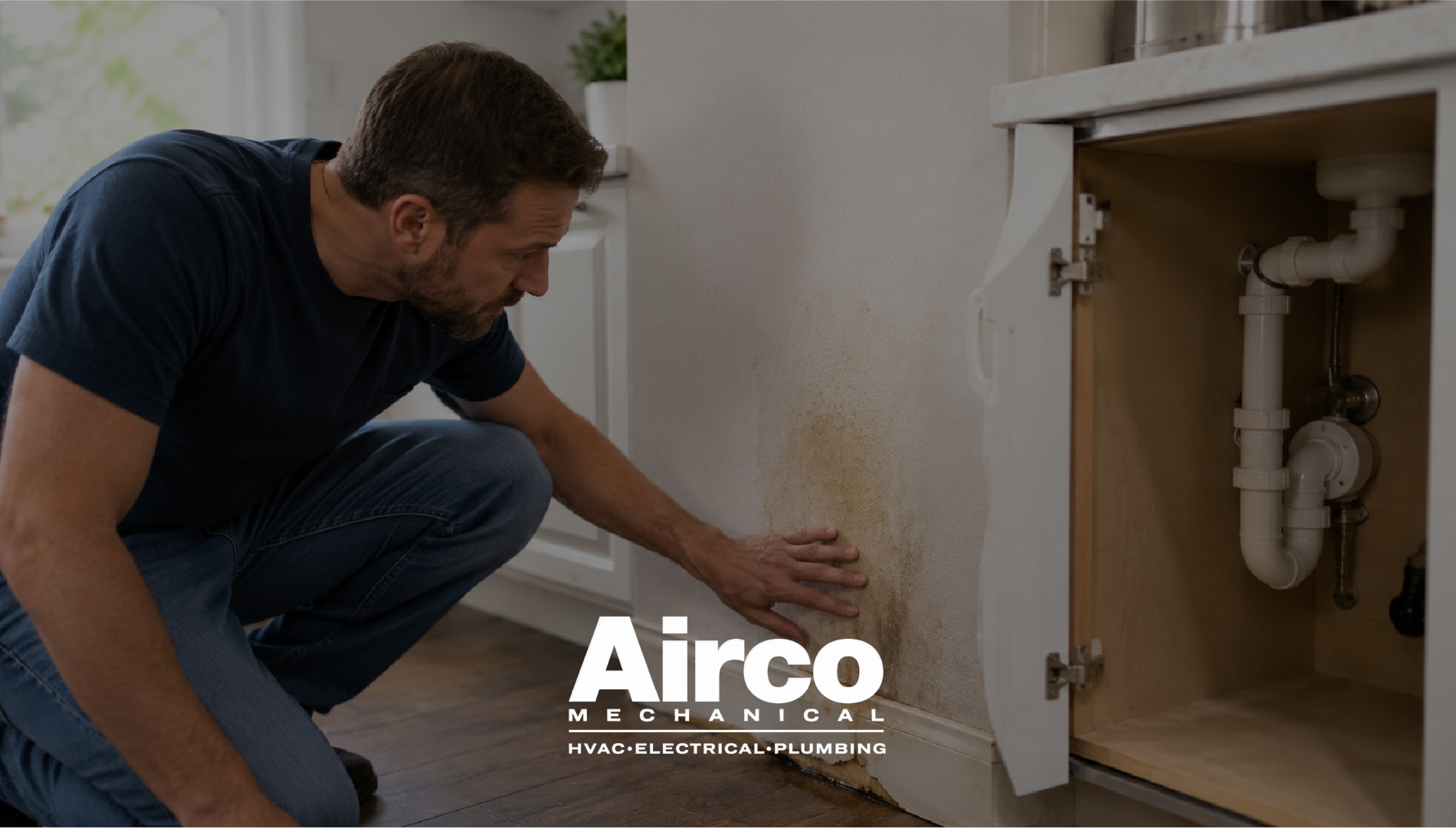
- Mold or Moisture Around Pipes: Excess moisture near pipes, floors, or walls may indicate leaks from a blocked or damaged drain line.
Recognizing these warning signs early allows you to call a professional drains and sewers cleaning company before the problem becomes costly.
Tips to Prevent Clogged Sewer Lines
Preventing clogs in your sewer lines is easier than repairing them once they occur. Regular maintenance, mindful usage, and professional inspections can keep water flowing smoothly and protect your plumbing system from costly repairs.
Practical Tips for Homeowners
- Dispose of Grease Properly: Avoid pouring cooking oils, fats, or grease down the kitchen sink. Instead, collect them in a container and discard with your trash.
- Use Drain Strainers: Install strainers in sinks, showers, and tubs to catch hair, food particles, and other debris before they enter the pipes.
- Flush Only Appropriate Items: Never flush wipes, sanitary products, paper towels, or other non-biodegradable items, even if labeled “flushable.”
- Regular Drain Cleaning: Schedule professional drains and sewers cleaning periodically to remove buildup and maintain clear lines.
- Avoid Harsh Chemicals: Overusing chemical drain cleaners can damage pipes over time. Opt for professional mechanical cleaning methods like hydro jetting for persistent clogs.
- Check Trees and Roots: Tree roots can infiltrate sewer lines and cause blockages. Consider root barriers or professional inspections for older homes.
- Routine Maintenance and Inspection: Regularly monitor drains, watch for slow flow, and address minor issues before they escalate into major blockages.
By combining these preventative measures with expert maintenance, you can significantly reduce the risk of sewer line clogs, foul odors, and costly plumbing repairs.
Conclusion
Clogged drains are often caused by everyday habits, but with proper care and regular maintenance, most blockages can be avoided. Understanding what causes clogs and recognizing early warning signs helps protect your plumbing system and prevents costly repairs.
If your drains are slowing down, backing up, or producing odors, don’t wait for the problem to worsen. Contact Airco Mechanical to schedule a professional inspection and keep your drains and sewer lines flowing smoothly.
5 FAQs
1. What is the most common cause of clogged drains?
Hair, grease, food waste, and soap scum are among the most common causes of clogged drains in residential plumbing systems.
2. Are chemical drain cleaners safe to use regularly?
No. Frequent use of chemical drain cleaners can damage pipes and worsen existing issues. Professional cleaning methods are safer and more effective.
3. How can I prevent grease from clogging my drains?
Never pour grease or oil down the sink. Let it cool, collect it in a container, and dispose of it in the trash.
4. When should I call a professional for clogged drains?
If you notice recurring clogs, slow drainage, foul odors, or water backing up into other fixtures, it’s time to call a professional.
5. Can clogged drains cause damage to my home?
Yes. Untreated clogs can lead to pipe leaks, water damage, mold growth, and sewer backups, resulting in costly repairs.