When your drains begin slowing down, clogging frequently, or sending foul odors back into your home, you’re left with two primary cleaning methods: hydro jetting and snaking. While both are widely used in residential and commercial plumbing, the way they clean—and how effectively they cleans—differs significantly.
Choosing the right method can prevent future blockages, protect your pipe system, and improve long-term drainage efficiency. If you’re unsure which method is right for your home, this guide breaks down everything you need to know.
What Is Snaking?
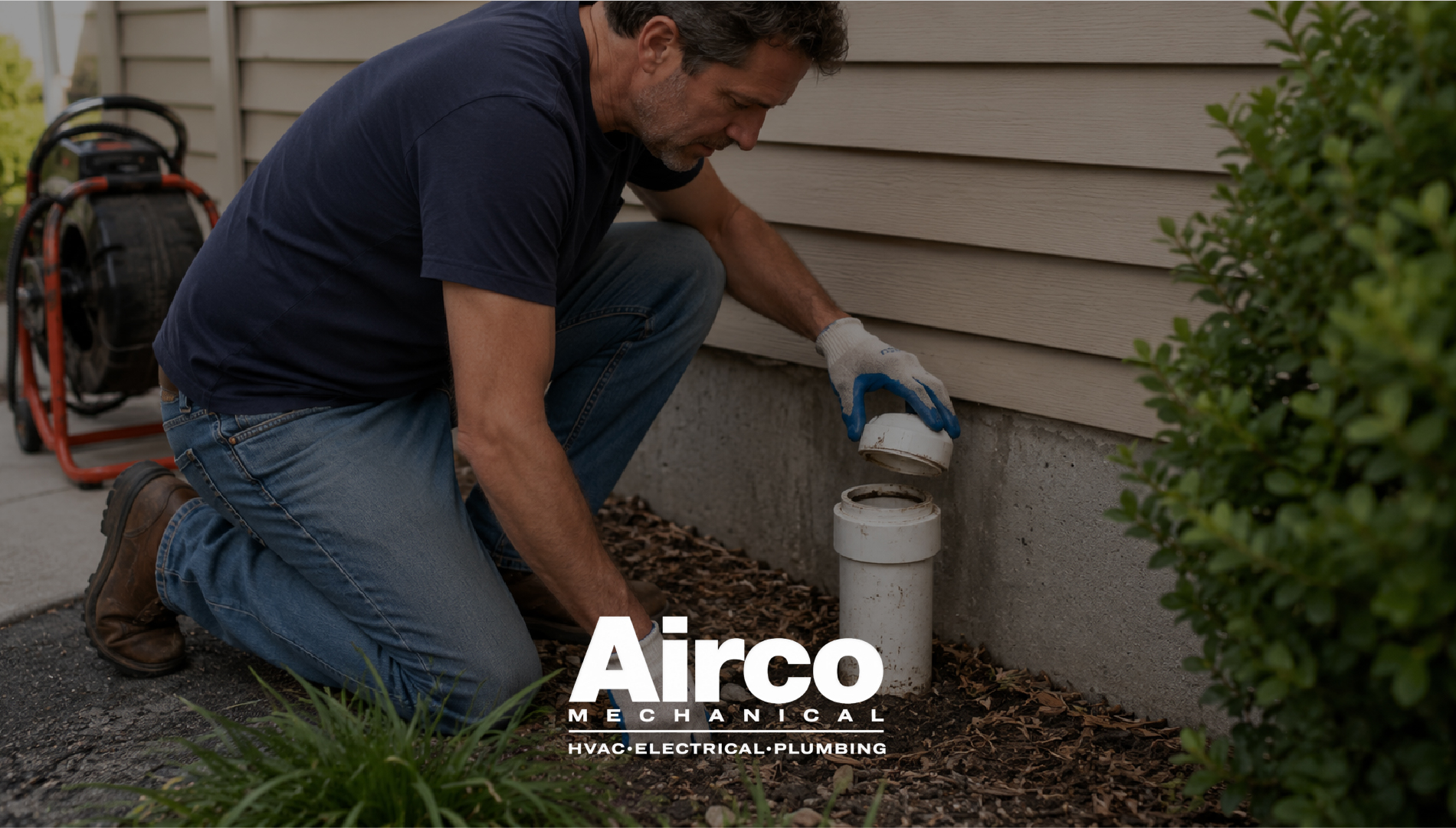
Drain snaking, also known as augering, involves inserting a long steel cable with a rotating tip into the drain. The tip breaks apart or hooks onto the clog, allowing it to be removed or pushed through the pipe.
Snaking is effective for:
- Hair buildup
- Minor blockages
- Small obstructions close to the drain opening
- Slow drains caused by localized debris
Snaking works well for quick, surface-level problems. But because it doesn’t clean the pipe walls, residue and buildup often remain, making future clogs more likely.
What Is Hydro Jetting?
It uses high-pressure water—often up to 4,000 PSI—to blast away buildup inside your pipes. Instead of simply breaking through a clog, hydro jetting thoroughly scours the entire pipe interior.
It can remove:
- Grease buildup
- Tree root intrusions
- Mineral deposits
- Scale, sludge, and hardened debris
- Long-term organic waste buildup
It restores your pipes almost to their original diameter, making it a long-lasting solution for homes with recurring clogs. You can learn related warning signs in our guide: signs you need drain cleaning
Hydro Jetting vs Snaking: Key Differences
While both methods clear clogs, they work very differently and are used for different severity levels.
Cleaning Capability Comparison
| Feature / Benefit | Snaking | Hydro Jetting |
| Removes surface clogs | ✔️ | ✔️ |
| Clears deep, stubborn blockages | ❌ | ✔️ |
| Removes grease & heavy buildup | ❌ | ✔️ |
| Good for recurring clogs | ❌ | ✔️ |
| Safe for most modern piping | ✔️ | ✔️ |
| Prevents future clogs | ❌ | ✔️ |
| Cost-effective for minor issues | ✔️ | ✔️ |
| Cleans full pipe circumference | ❌ | ✔️ |
When Snaking Is the Better Option
Snaking is still a valid and effective choice when:
- You’re dealing with simple blockages like hair or food particles
- The clog is close to the drain opening
- You need a quick, inexpensive solution
- You have older pipes that may not withstand high-pressure water
Snaking is a temporary solution, but it works well for short-term issues and minor slowdowns.
When Hydro Jetting Is the Better Option
It is ideal for severe, long-term, or recurring problems. It’s the method of choice when:
- Multiple drains clog repeatedly
- Grease, sludge, or scale buildup is present
- You experience foul odors from the drains
- You want long-term cleaning rather than a quick fix
- Tree roots are infiltrating sewer lines
- Your home or property has older pipes with heavy buildup
Because hydro jetting thoroughly removes residue, it prevents future clogs and improves long-term drainage performance.
Which Method Cleans Better?
When it comes to cleaning power, it is significantly more effective. Snaking removes the clog, but hydro jetting removes the clog AND the buildup causing the clog.
Snaking = short-term relief
Hydro jetting = long-term solution
If you want to completely restore your pipe interior, hydro jetting is the superior choice. But if you simply need a quick fix for a one-time clog, snaking works perfectly fine.
Why Professional Drain Cleaning Matters
Choosing between snaking and hydro jetting requires understanding your pipe condition, clog severity, and overall drainage health. An experienced drain cleaning company can determine which method is safe and most effective for your home.
For a deeper look at how wastewater systems work, here’s an additional reference
FAQs
1. Is hydro jetting safe for old pipes?
Generally yes, but a plumber should inspect the pipe material and condition first. Weak or severely corroded pipes may require gentler methods.
2. Does snaking damage pipes?
Not usually. Snaking is a low-pressure method and safe for most plumbing systems, but improper use can scratch pipe interiors.
3. How often should I schedule hydro jetting?
Most homes benefit from hydro jetting every 1–2 years, depending on usage, pipe age, and buildup levels.
4. Will snaking prevent future clogs?
No. Snaking removes the immediate obstruction but doesn’t clean pipe walls, so clogs may return over time.
5. Which method is better for tree roots?
Hydro jetting is far more effective. Snaking may pierce the root, but hydro jetting cuts through and flushes it away.